Controlling obesity is not just about appearance, but rather aims at making your body healthier. Nowadays, there are many treatment options available, from weight loss injections to weight loss surgery. However, choosing between these two treatment methods may be rather daunting. Learning more about the differences between the options, their strengths, and weaknesses might help in choosing the right one.
Knowing all aspects of bariatric surgery vs weight loss medication will allow you to choose wisely and make a decision based on your needs and health conditions.
Understanding Weight Loss Medications
Weight loss medications can be recommended only to patients with a BMI of over 30, or 27 with accompanying metabolic diseases, such as diabetes or hypertension. Weight loss medications affect people’s bodies in different ways, by suppressing appetite, controlling hormones and regulating hunger.
How They Help
Weight loss medications usually aim at:
- Suppressing appetite and food cravings
- Increasing the feeling of satiety
- Stabilizing blood sugar level
- Helping you lose weight gradually
Benefits of Medications
- Non-surgical treatment
- Lower upfront cost compared to surgery
- Suitable for individuals not ready for surgical intervention
- Can be combined with diet and exercise for better outcomes
- Can be used as a bridge therapy in patients who are not able to lose weight with diet and exercise alone.
Limitations to Consider
Though medications can prove to be useful, this approach is not a definitive cure. The effects of the therapy depend on consistent medication use, and discontinuing it leads to the return of excess weight. Side effects like nausea, digestive issues, or fatigue may affect the patient’s comfort level.
What Is Bariatric Surgery?
Gastric bypass, sleeve gastrectomy, and adjustable gastric banding are some types of bariatric surgery. The procedures are performed in order to decrease the stomach capacity and change digestion processes in case of the latter.
How It Works
Depending on the type of surgery, it will either:
- Decrease the stomach’s capacity to retain food
- Alter hormones responsible for hunger and satisfaction
- Have a positive effect on other metabolic disorders like type 2 diabetes
Benefits of Surgery
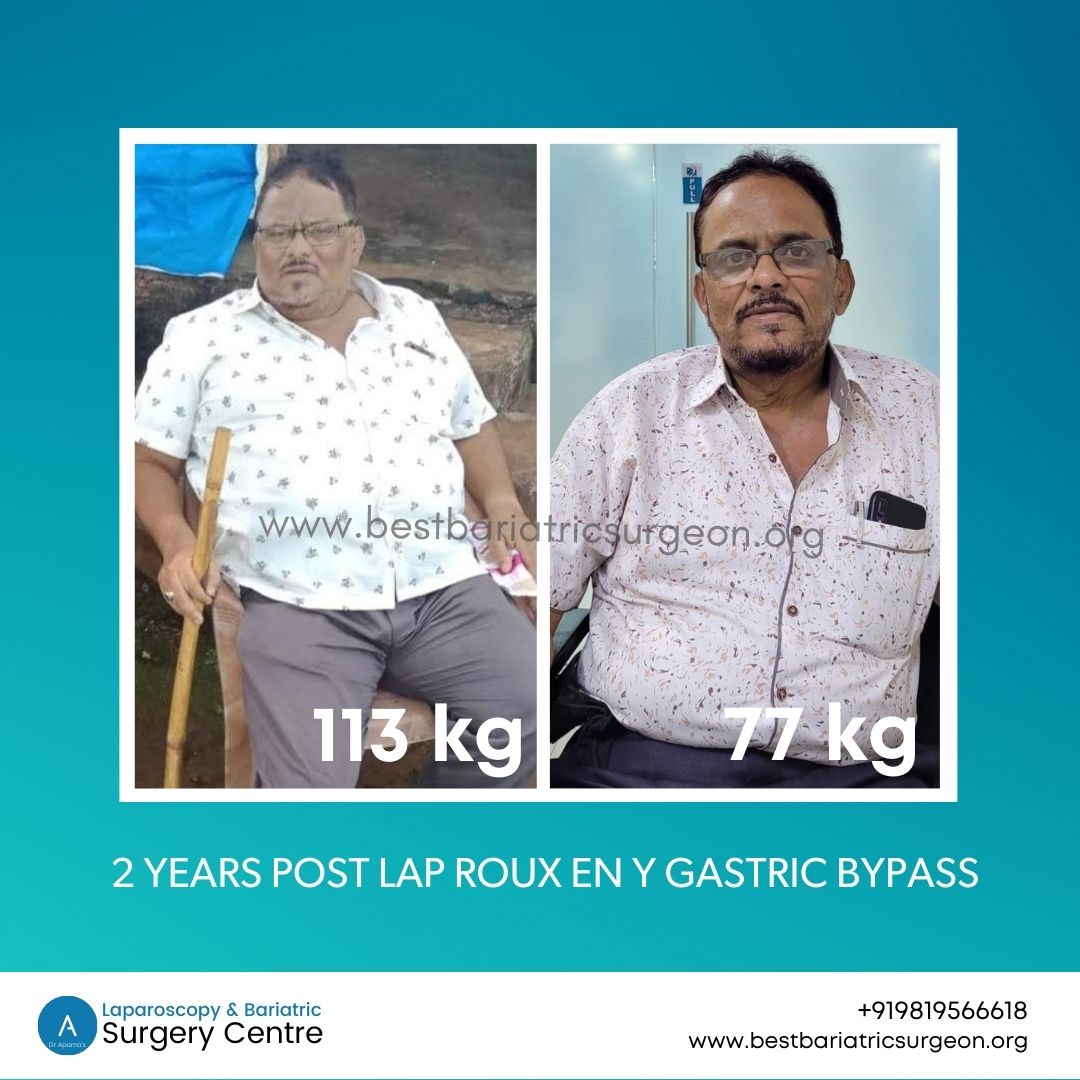
- Considerable and sustainable weight reduction
- Improvement of associated disorders and conditions
- Reduction of heart and diabetes risks
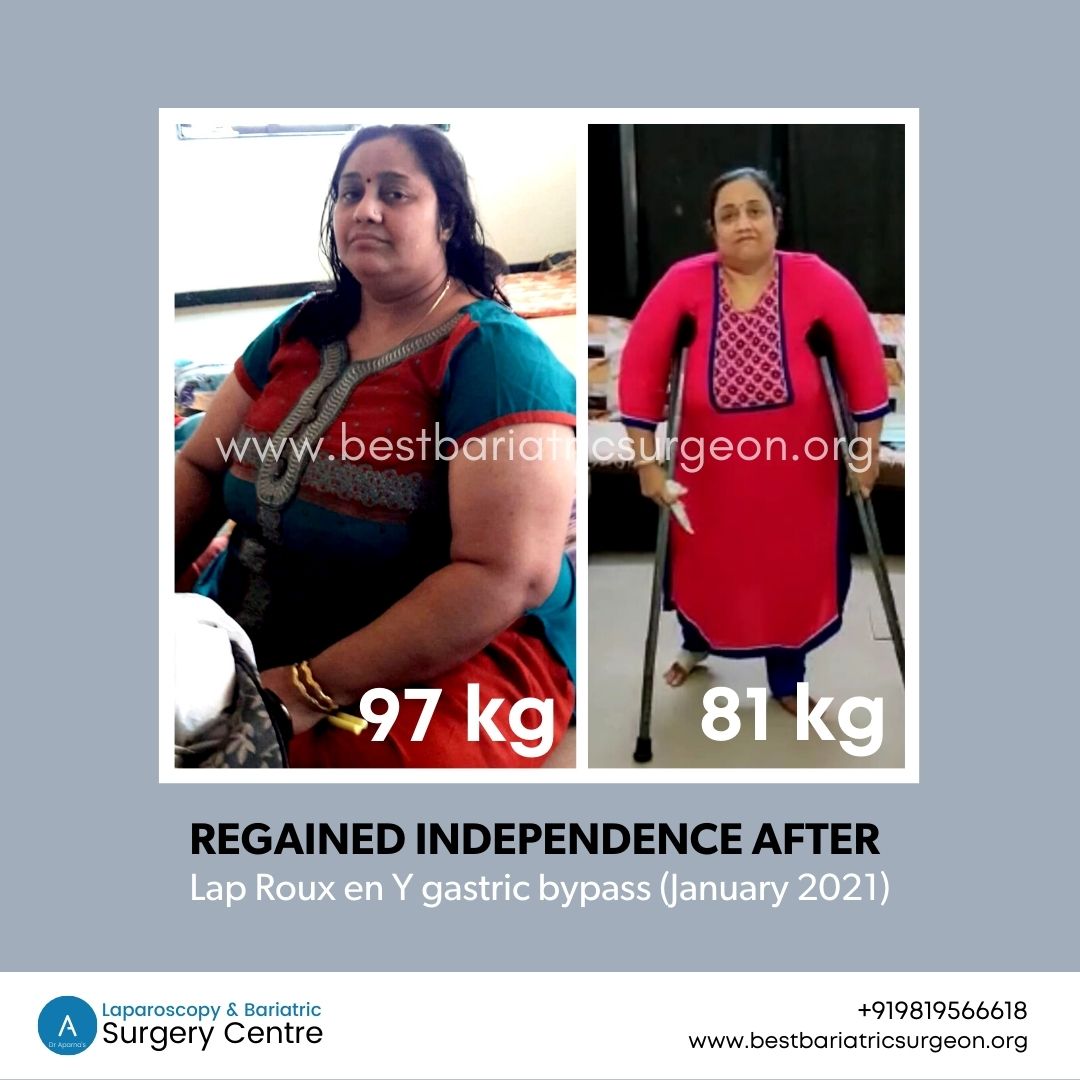
- Increased mobility and overall quality of life
Things to Keep in Mind
- Surgical intervention and recovery period
- Change in behavior and diet after surgery
- Higher upfront cost than medication
- Long-term care and monitoring are required
Comparing Effectiveness and Results
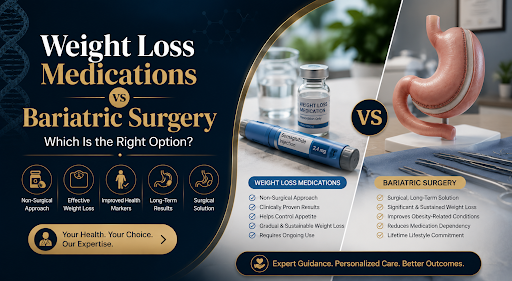
In the comparison between bariatric surgery vs weight loss medication, effectiveness becomes one of the key considerations.
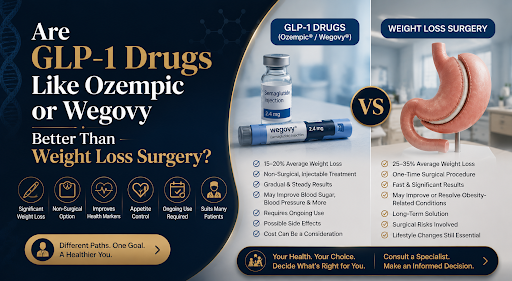
Pharmacological treatment usually provides for a weight loss of 10 to 20 percent. It can help people suffering from moderate obesity. The bariatric surgery, in turn, ensures that the weight loss will amount to about 25 – 40% or even higher. It becomes necessary for people who have severe obesity.
Another point of difference that needs consideration is longevity. In cases where surgery is accompanied by some changes in one’s lifestyle, results are usually durable. With the help of medications, patients need to continue their treatment to achieve the same effect.
Who Should Consider Each Option?
The choice of treatment should depend primarily on an individual’s health state, weight loss goals, and willingness to make changes.
Weight Loss Medications May Be Suitable If:
- You have moderate obesity
- You prefer a non-surgical approach
- You are just beginning your weight loss journey
- You are willing to follow a strict medication and lifestyle plan
Bariatric Surgery May Be Ideal If:
- You have severe obesity (BMI over 30 or 35)
- You suffer from obesity-related health conditions
- Previous weight loss attempts have not worked
- You are prepared for long-term lifestyle changes
The Role of Medical Evaluation Before Choosing a Treatment
You must undergo a medical examination before moving to the next stage in the quest for weight loss. Usually, the doctor evaluates the patient’s body mass index (BMI), present medical conditions, metabolic rate, and the use of weight loss techniques in the past. It is also possible for the physician to assess your hormonal status, lifestyle, and psychological readiness, particularly if you are considering surgical intervention.
A custom-made assessment will make sure that you know your own bodily needs, as well as prepare yourself for anything that could happen.
Risks and Safety Considerations
The two approaches each entail a unique risk factor, and knowing them is important.
Medication:
- Possibility of mild to moderate adverse reactions
- Likelihood of dependence to sustain benefits
- Not recommended for all patients
Surgery:
- Risks associated with surgery, such as infection and other complications
- Development of nutritional deficits without proper management
- Need for lifetime supervision
However, innovations in medicine have ensured that both methods are relatively safer now than in the past. Selecting a credible health practitioner is essential in mitigating any potential hazards.
Lifestyle Commitment: The Common Factor
In either case, there is one aspect that will remain unchanged, and that is lifestyle modification. Neither can be effective without:
- Balanced and nutritious dietary intake
- Regular physical exercise
- Follow-up visits to healthcare providers
- Commitment mentally and emotionally to make necessary changes
Weight loss requires more than a medical procedure; it necessitates a comprehensive life change.
Cost and Accessibility
Cost could make the difference in making a decision. Although some drugs might seem cheaper, continued use could turn out to be expensive in the long run. The bariatric procedure, although expensive in the beginning, can prove to be more cost-effective since the procedure offers long-term benefits and reduces health care expenses from diseases related to obesity. Bariatric surgery is also covered by most insurance companies in India.
Availability can also differ, as while medicines are readily available, surgery requires special facilities and qualified doctors.
Making a Thoughtful Decision for Your Health
Selecting between bariatric surgery and weight loss medication does not involve picking the superior approach, but rather selecting the appropriate option. The most suitable treatment approach for an individual would depend on the individual’s health status, personal considerations, and goals.
Those who wish to receive professional advice and care should consider MetaHeal- Laparoscopy and Bariatric Surgery Center as a viable option. Being focused on their patients’ needs, having an extensive knowledge base, and providing appropriate care, they will ensure a safe and efficient path for your weight loss process. No matter whether you choose non-surgical or surgical methods, receiving professional assistance is highly beneficial.
Ultimately, the objective is not only losing weight but leading a healthy and more sustainable lifestyle.