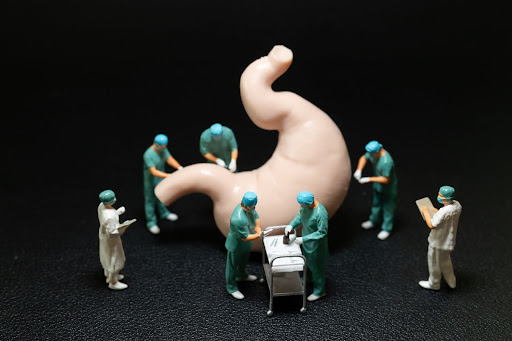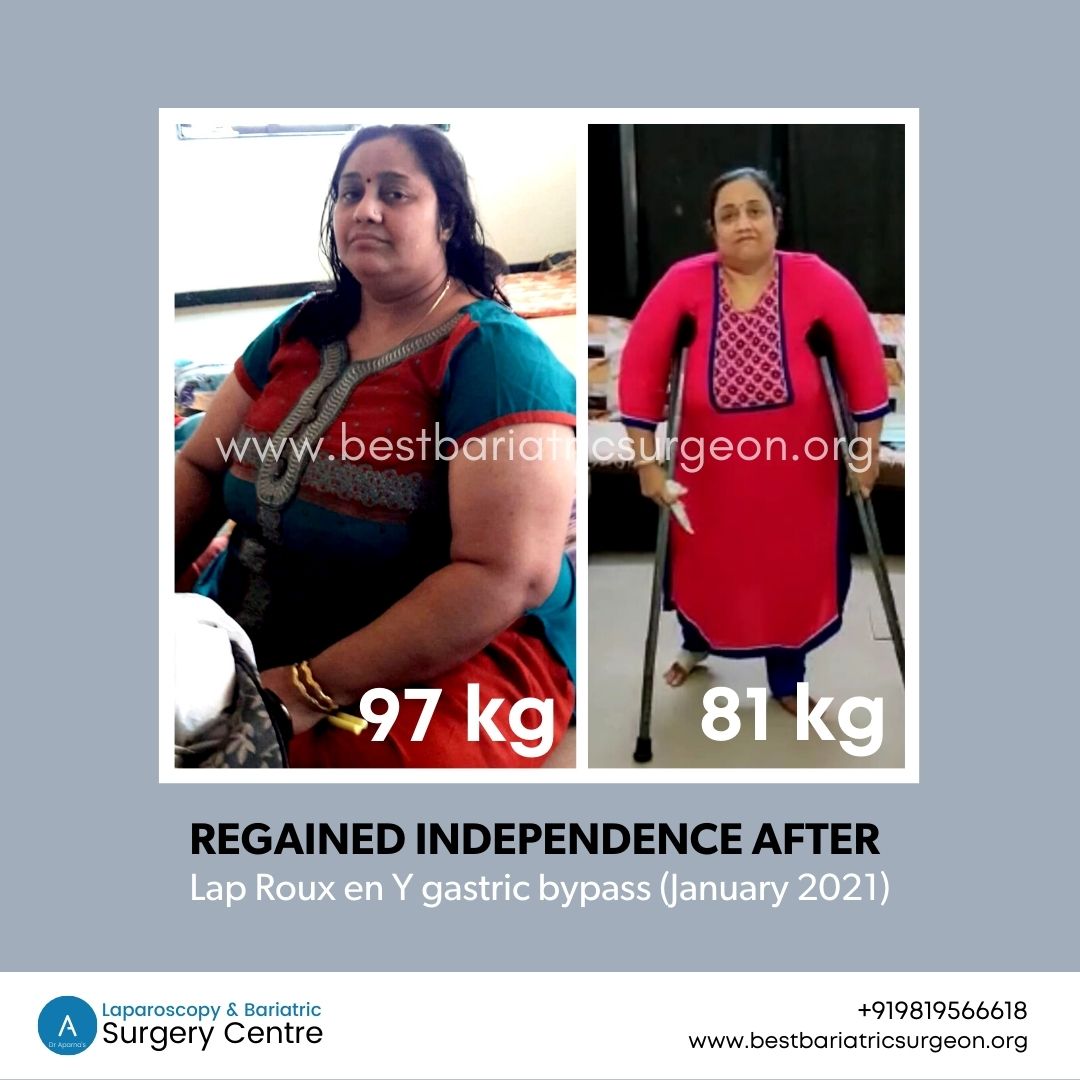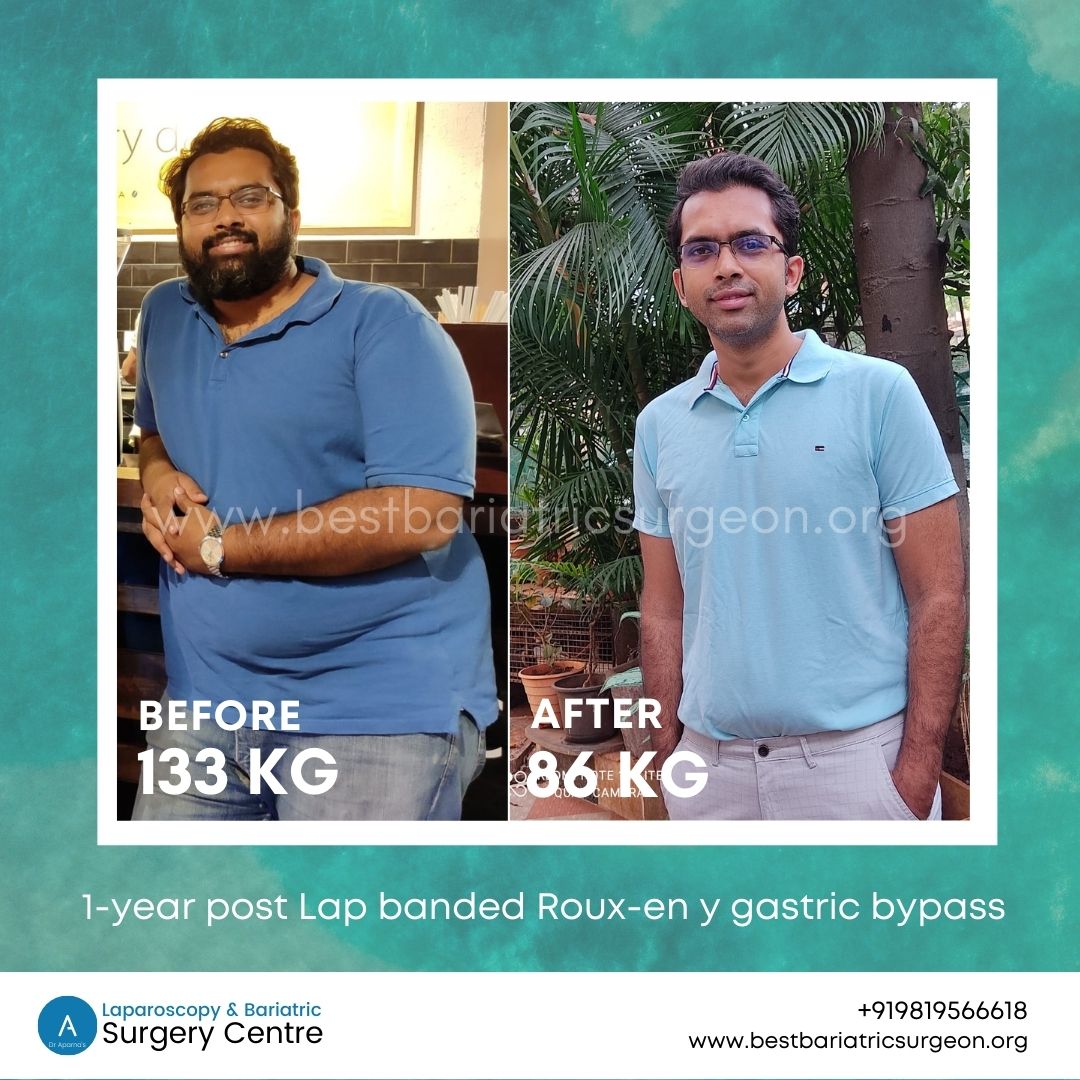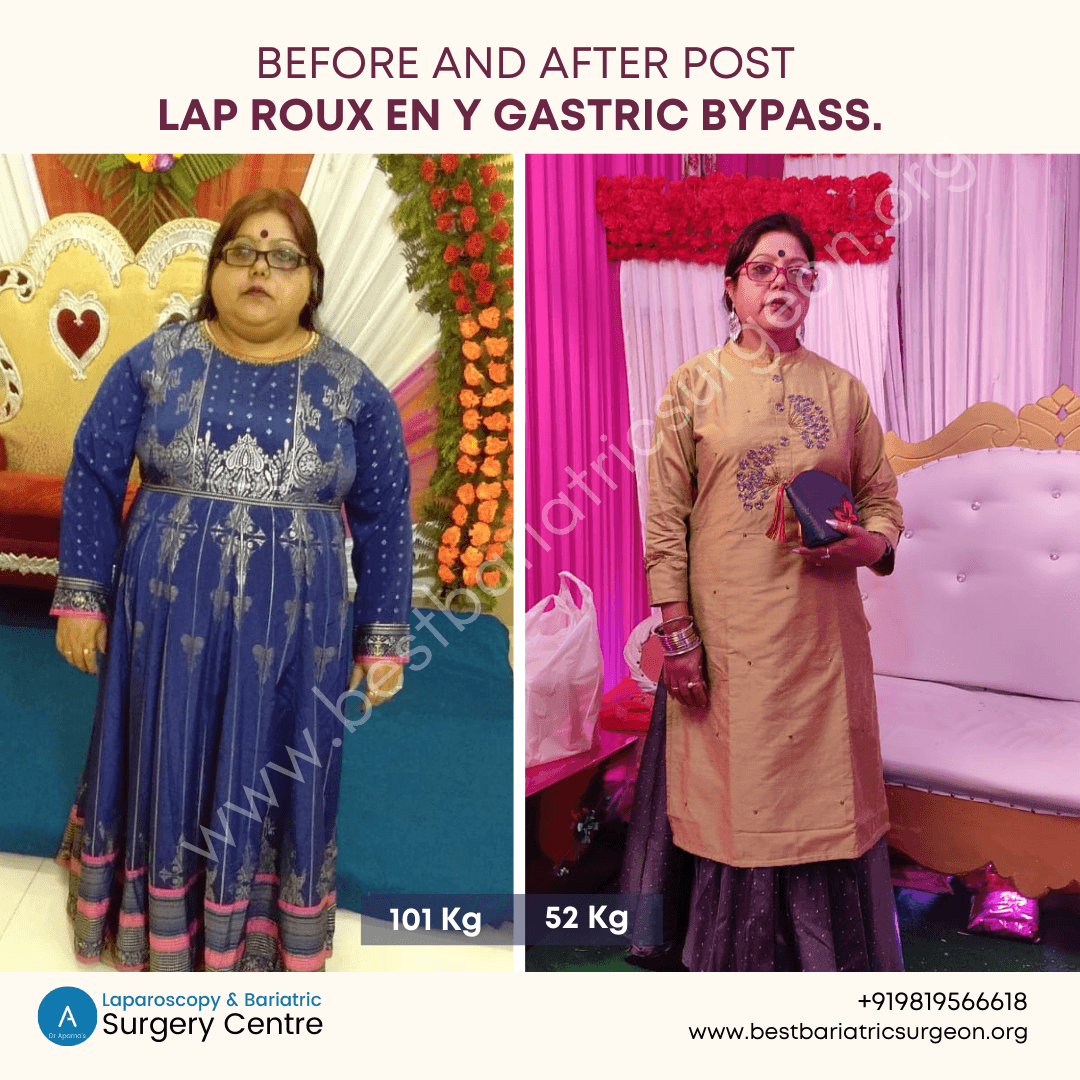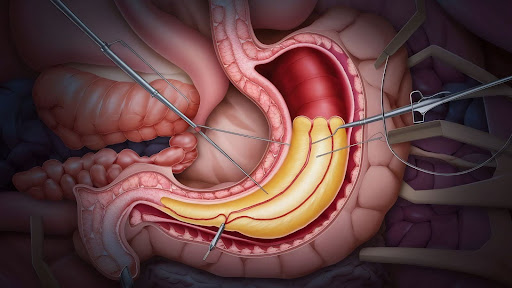
Bariatric surgery is a life-changing surgery that helps people who are struggling with obesity take charge of their lives again. While this surgery is a great solution for people who are struggling with obesity, the surgery alone is not enough; what matters most is the post-surgery process. As a reputable bariatric surgeon in Mumbai, we always tell our patients that the post-surgery process is as important as the surgery itself.
While some people are aware of what they need to do after undergoing surgery, some are not aware of what they need to avoid during the post-surgery process, as this information can be crucial in ensuring a smooth post-surgery process.
Here are some of the things you need to avoid after undergoing surgery to ensure a smooth recovery and sustainable weight loss.
Ignoring Your Prescribed Diet Plan
One of the common mistakes that patients make is failing to adhere to the diet plan after the surgery. The stomach is significantly smaller after bariatric surgery, and it has to heal accordingly.
The general progression of the diet plan is as follows:
- Clear liquids in the initial days
- Pureed foods in the following weeks
- Soft foods before transitioning to solid meals
Consuming solid and heavy food too early in the recovery period can cause discomfort, nausea, vomiting, and even damage to the surgical site. Patients must adhere to the nutritional plan set by the medical team and the bariatric nutritionist.
Eating Too Fast or Overeating
It is essential to note that the stomach is significantly smaller after the surgery, and it can only contain a small quantity of food at any given time. Eating too fast can cause the stomach to stretch and cause pain.
To avoid complications, it is essential to adopt the following habits:
- Eat your food slowly and chew it well
- Avoid eating when you feel full
- Take your food in small bites
- Avoid distractions while eating
- Avoid sugar and carbonated drinks
Mindful eating is crucial in the achievement and maintenance of weight loss results after the surgery.
Drinking Liquids With Meals
It is astonishing for many patients to know that they are not supposed to drink liquids during their meals after undergoing bariatric surgery.
Liquids can:
- Force food through the stomach pouch too fast
- Decrease the fullness factor
- Increase the risk of overeating
However, it is recommended that patients drink liquids 30 minutes before and after the meal. Patients need to drink liquids during the day.
Skipping Vitamin and Mineral Supplements
Vitamin and mineral supplements are very important for patients who undergo bariatric surgery because the surgery changes the internal anatomy and affects the amount of food they are able to consume and the amount of nutrients they are able to take in.
The vitamin and mineral supplements commonly recommended are:
- Vitamin B12
- Iron
- Calcium
- Vitamin D
- Multivitamins
Skipping the above supplements can cause deficiencies in the future. During the middle stage of the recovery period, a qualified bariatric surgeon in Mumbai would emphasize the need for nutritional monitoring to achieve the best results.
Avoiding Physical Activity for Too Long
While it is essential to rest after surgery, it is also vital to avoid physical inactivity for too long since it may hinder weight loss.
Increasing physical activity should be initiated as soon as possible after the surgeon clears the patient to do so. Doing so may improve:
- Metabolism
- Healing
- Muscle mass
- Long-term weight loss results
Patients should start by engaging in cardio-based physical activity such as walking, cycling, etc., and then move to weight training after about 3 months.
Consuming Sugary or High-Fat Foods
Consuming sugary or high-fat foods may result in a condition known as dumping syndrome, which may result in:
- Nausea
- Sweating
- Dizziness
- Abdominal cramps
- Diarrhea
Consuming these foods may also hinder weight loss and may result in weight gain in the future. Instead, patients should concentrate on high-protein foods, vegetables, and healthy eating habits.
Ignoring Emotional and Mental Health
Bariatric surgery not only alters the physical appearance but also affects the emotional health of the patient. Some people experience mood swings, changes in body image, or emotional eating habits.
Ignoring emotional health during this period might affect the outcome of the surgery in the long term, as support can come from:
- Bariatric support groups
- Counseling or therapy
- Regular follow-ups with your healthcare team
Taking care of your emotional health is as important as taking care of your physical health.
Skipping Follow-Up Appointments
Regular follow-ups with your healthcare provider allow your medical team to monitor your healing process, track your weight loss progress, and detect possible nutritional deficiencies.
Regular follow-ups ensure that:
- Healing is progressing normally
- Dietary changes are appropriate
- Supplements are working effectively
- Weight loss goals are on track
Patients who do not miss follow-up appointments tend to achieve better outcomes in the long term after undergoing a bariatric surgery.
Smoking or Drinking Alcohol
Smoking and alcohol can significantly impact the recovery process following bariatric surgery.
In detail, smoking can:
- Slows down the healing process
- Lead to marginal ulcers
- Increase the risk of complications
On the other hand, alcohol is easily absorbed in the body following bariatric surgery and can cause a quick onset of alcohol and calories.
In conclusion, for the best results in the recovery process, patients are encouraged to avoid smoking and reduce alcohol intake significantly.
Building Healthy Habits for Long-Term Success
Bariatric surgery is a wonderful way to lose weight, and it is essential to develop the right habits to achieve the desired results in the long term. It is essential to avoid behaviors like excessive eating, improper nutrition, lack of exercise, and missing supplements to attain the best results from the procedure.
Under proper guidance, follow-up, and individualized care plans, a skilled bariatric surgeon in Mumbai can assist patients through all aspects of their weight loss journey successfully and safely. At our facility, we specialize in complete care for obesity-related conditions through bariatric surgery in Mumbai, weight loss surgery, laparoscopic bariatric surgery, gastric bypass surgery, and sleeve gastrectomy in Mumbai, so that all patients receive the support they need before and after surgery.
For individuals who want expert guidance and success in their efforts to lose and gain weight, consulting the Best Bariatric Surgeon can give them the expertise, care, and treatment that can lead them to a much healthier lifestyle.