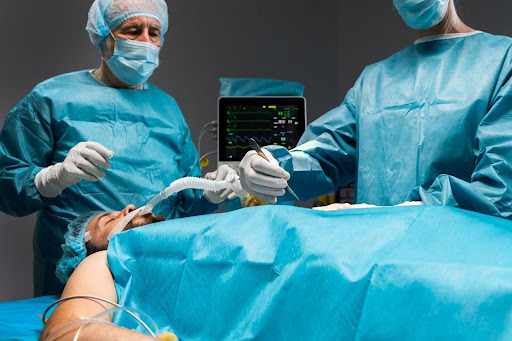
It’s important to recover well after hernia surgery. A body that has been operated on in either a minimally invasive way or by opening needs time, care, and the right guidance to be healed completely.
At our center, we frequently encounter such patients who are not very sure about the duration of recovery, the safety of different kinds of activities, and the time when they can go back to work. Besides the already existing medical worries, there are also questions regarding the local planning of the operation and hernia surgery cost in Mumbai, which are mostly asked by those in the pre-surgery phase. This blog serves as a resource to familiarize you with a typical recovery period and to help you recover safely and smoothly from your surgery.
What to Expect Immediately After Surgery
First and foremost, the day after hernia surgery should be focused on rest and monitoring. Pain control is also emphasized here. Short walks after a couple of hours of surgery are recommended for most patients, as they help circulation and lessen the danger of blood clots. The patients may experience mild to moderate pain, swelling at the area of the incision, and tightness of the skin, all of which are normal at this stage.
You may experience:
- Drowsiness due to anaesthesia
- Mild nausea in some cases
- Localised pain or pulling sensation
- Slight redness or bruising near the incision
Painkillers prescribed by your doctor should be taken strictly following his instructions. It is also very important that the proper wound care that starts from the very first day goes hand in hand with the prevention of infection.
The First Week: Protecting the Repair
The initial seven days are essential for the surgical repair to deeply fix itself. This period represents the very first layer of the body’s healing tissue that is being formed. The phase of daily movement is here, but overexertion is to be definitely avoided.
Most patients can:
- Walk short distances several times a day
- Shower after 24–48 hours (if advised)
- Resume light household activities
However, you should strictly avoid:
- Lifting heavy objects
- Sudden bending or twisting
- Straining during bowel movements
After the operation, the cause of constipation would most probably be pain medications and lack of movement. Eating fiber-rich foods and drinking plenty of water can do a lot to help with this problem and also lessen the pressure on the surgical site.
Week Two to Four: Gradual Return to Routine
In most cases, the causes of pain and swelling are resolved by the time the second week has passed, and thus the condition of the patients improves significantly. A lot of people feel comfortable enough to go around, and as a result, they are willing to start working from home, especially if the job is sedentary.
During this stage:
- Stitches or staples (if used) are usually removed
- Light stretching may be introduced
- Driving may be permitted if pain is minimal and no sedative medications are being taken
If your work is physically demanding, then your doctor may let you know that you need to take some more time off before returning to the workplace. The third or fourth week is approximately when the muscle/tissue that has been repaired gets more solid, but still, it is fragile for high-pressure situations.
At this time point, some patients who are overconfident in their condition decide to become more active than before. We highly recommend that you rely on the personalized recovery plan given by your doctor rather than depending on how “normal” you are feeling.
The Mid-Recovery Phase and Financial Planning
At about one month, the majority of patients are able to resume a great deal of their normal activities. Most of the time, discomfort is very minor, and the incision site continues to get stronger from the inside.
It is also the time when patients start to reassess their whole journey of surgery, including the visits to the doctor and long-term results. For the most part, families talk about hernia surgery cost in Mumbai yet again when they have reached this stage, especially when they are planning for extra care or future medical needs.
Communicating openly with your hospital and care team will help you avoid financial uncertainty and make it easier to check in with them regularly.
Long-Term Healing: What Happens Inside Your Body
The scar on the skin after a few weeks may give the impression that the wound is healed, but the inside of the body will still be weak. Internal healing can take from 8 to 12 weeks; the time depends on:
- Type of hernia
- Surgical approach used
- Patient’s age and overall health
- Presence of conditions like diabetes or obesity
During this period, the scar tissue that grows around the repair will be used to support the most vulnerable area. Even if you feel that everything is ok from the outside, the risk of recurrence is there if you provoke it by heavy strain. Hence the necessity of long-term discipline in physical activity.
Activity Restrictions: What You Should and Shouldn’t Do
One of the most effective means of preventing complications and recurrence is the proper observance of activity restrictions. These instructions can be a bit different depending on the kind of operation, but basically, the limits include:
Activities to avoid in early recovery
- Weightlifting
- High-impact exercise
- Running or gym workouts
- Heavy pushing or pulling
Activities usually allowed with caution
- Walking
- Gentle stretching
- Light household work
- Desk-based work
The surgeon will gradually raise your level of activity depending on your recovery. If you disregard these restrictions, even if the pain is barely felt, you risk the return of your hernia.
Nutrition for Faster Recovery
Proper nutrition is an asset for healing of the tissues, it invigorates the body’s defense system, and it shortens the period of convalescence. After the operation, the stomach and intestines may be a little slow; therefore, it is better to start with light and easily digestible foods.
Helpful dietary tips include:
- High-protein foods for tissue repair
- Adequate fluids to prevent constipation
- Fresh fruits and vegetables for vitamins
- Avoiding excessive spicy and oily foods in the first few days
The patients who keep their diet balanced are usually less fatigued and have a smoother comeback to their daily life.
Signs That Need Immediate Medical Attention
Although most of the recoveries are without problems, it is still very important to recognize the warning signs at the earliest stage. Contact your surgeon right away if you see:
- Fever above 101°F
- Increasing redness, warmth, or discharge from the incision
- Severe or worsening pain
- Persistent vomiting
- Difficulty passing urine
- Sudden swelling at the surgical site
The early intervention can free minor issues from becoming serious complications.
Emotional Well-Being During Recovery
Physical recovery is just one facet of the overall healing. A fair number of patients get anxious when confronted with limitations on their activities, absence from work, or the likelihood of recurrence. Feeling apprehensive or even irritated during convalescence is perfectly normal.
Some helpful strategies include:
- Setting realistic recovery goals
- Following a structured daily routine
- Staying connected with family and support systems
- Attending all scheduled follow-ups for reassurance
Knowing what is happening to your body can lessen the tension and give you more trust in the healing process.
A Thoughtful Closing on Safe Recovery and Trusted Care
Rehabilitation after a hernia operation is a journey that is delicately balanced on the scales of medical advice, patient adherence, and timely check-ups. The majority of people are able to resume their normal lives without any long-term limitations when the recovery plan is properly executed. Patients at the end of this path often ponder over their health besides practical matters such as hernia surgery cost in Mumbai and treatment quality. Best Bariatric Surgeon, being a dependable resource for those in need of long-term care and surgical expertise, is where these patients usually turn. Patients planning their care and making recovery an integral part thereof also frequently look for the related info about laparoscopic hernia surgery, inguinal hernia surgery, umbilical hernia treatment, hernia repair recovery time, and hernia surgery risks.