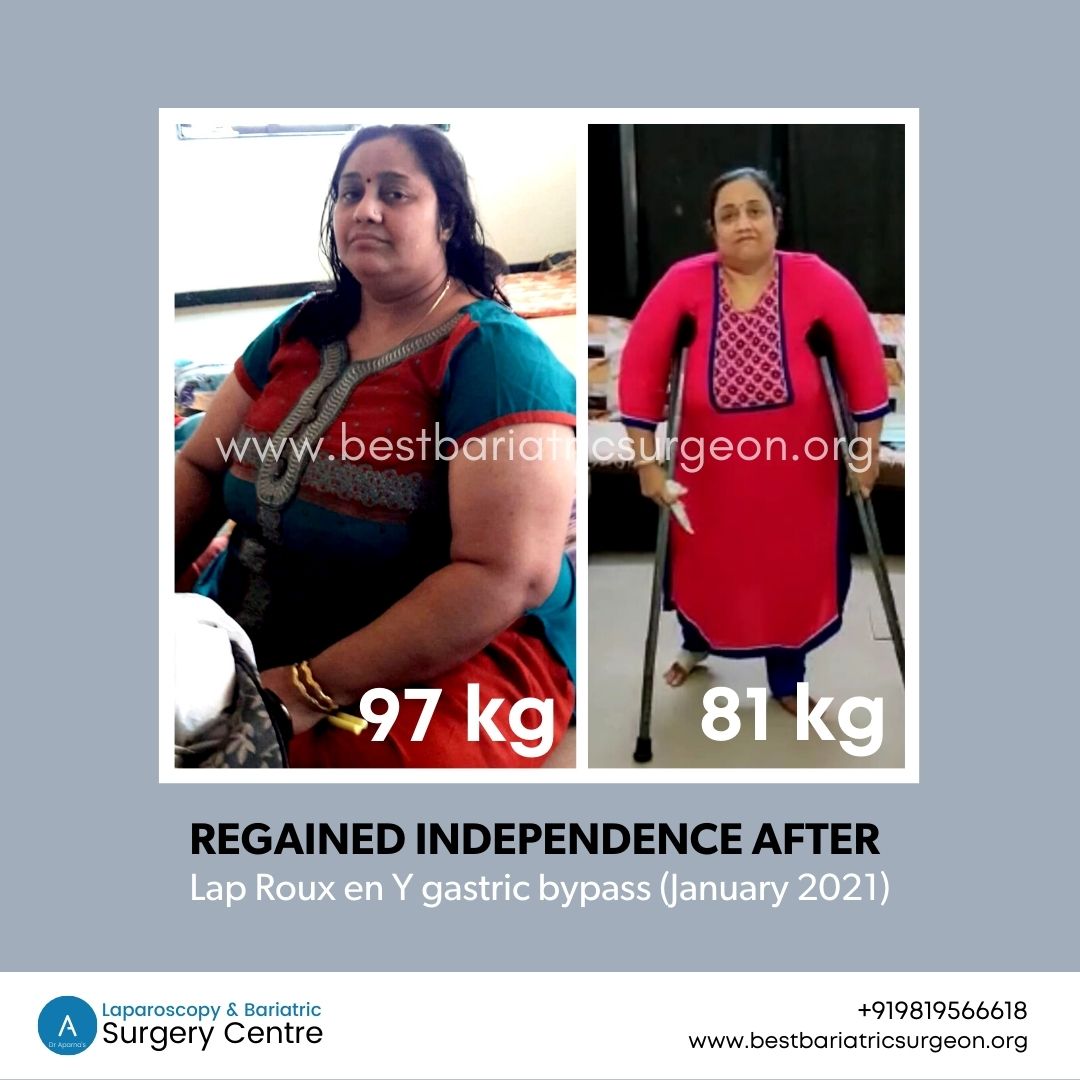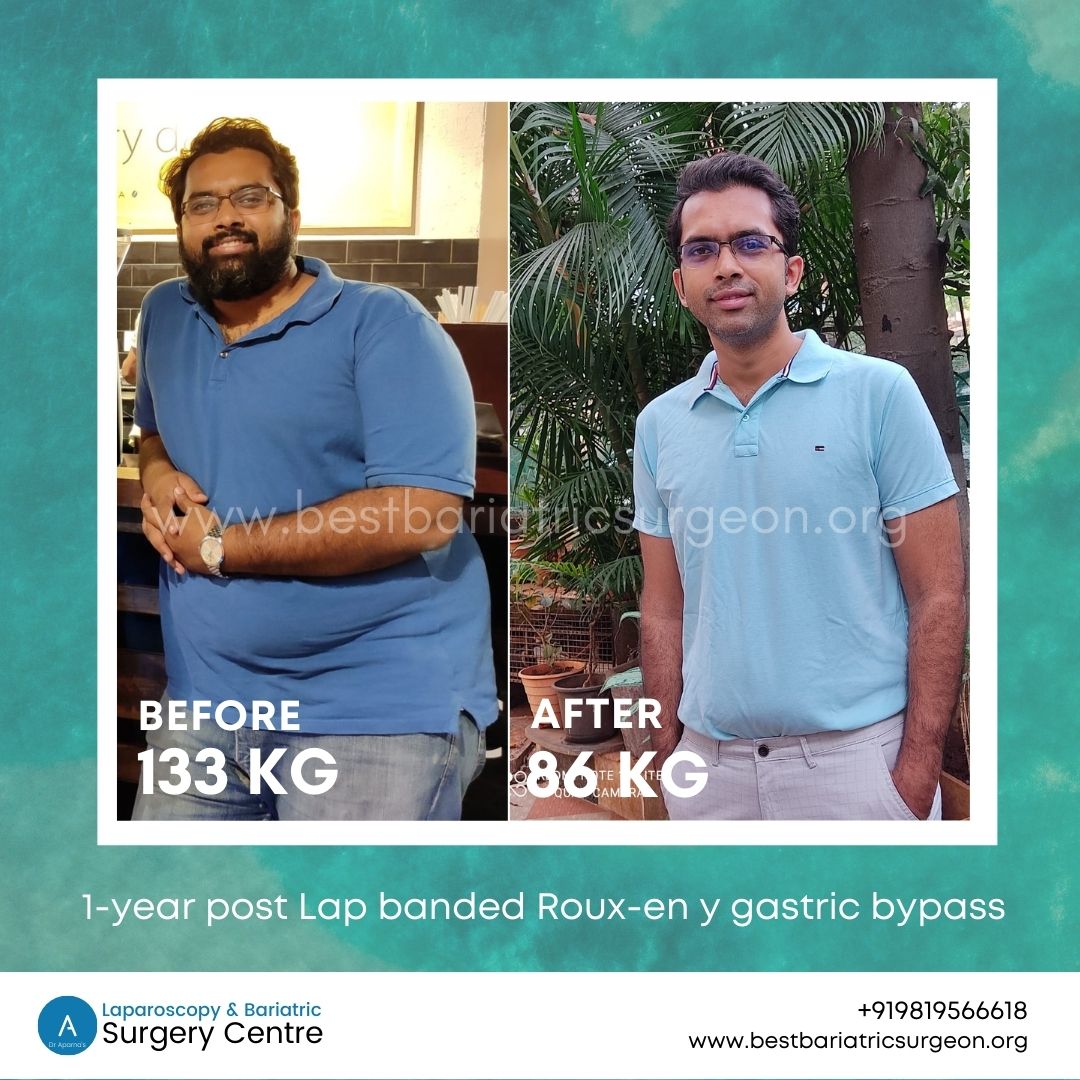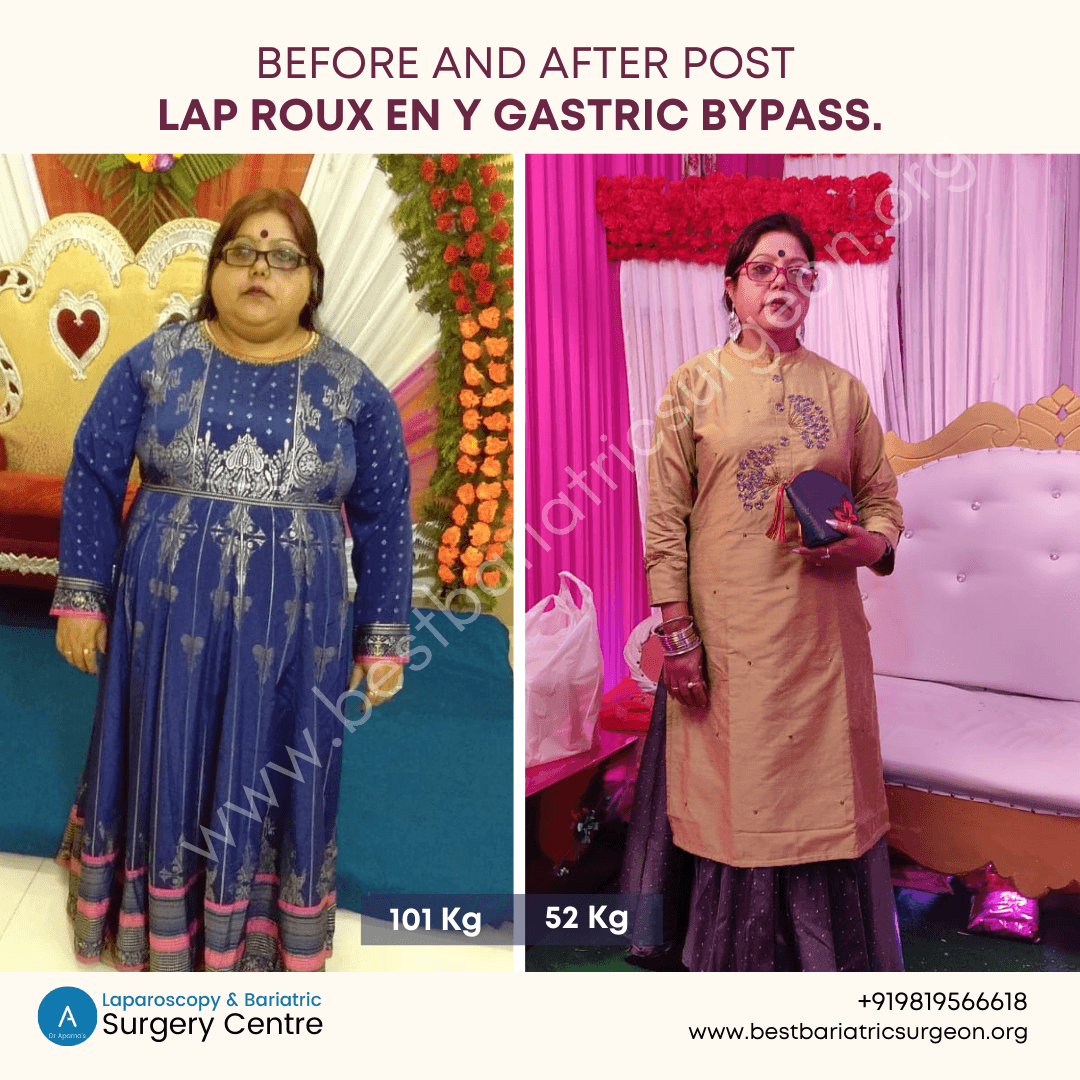
Bariatric surgery has emerged as a common treatment method for people with severe obesity who also suffer from associated medical problems. With increasing awareness comes an inevitable concern for bariatric surgery safety, especially among those looking at the procedure as a means to lose weight and get an improvement in associated diseases. All surgeries indeed carry risks, but the latest bariatric surgeries have made remarkable progress in terms of safety, efficacy, and recovery.
Gaining knowledge about the pros and cons will help the patient make a wise decision regarding their future well-being.
What Is Bariatric Surgery?
Bariatric surgery is a surgical specialty aimed at helping patients lose weight through modification of the digestive system. Some of the types of bariatric surgeries performed include:
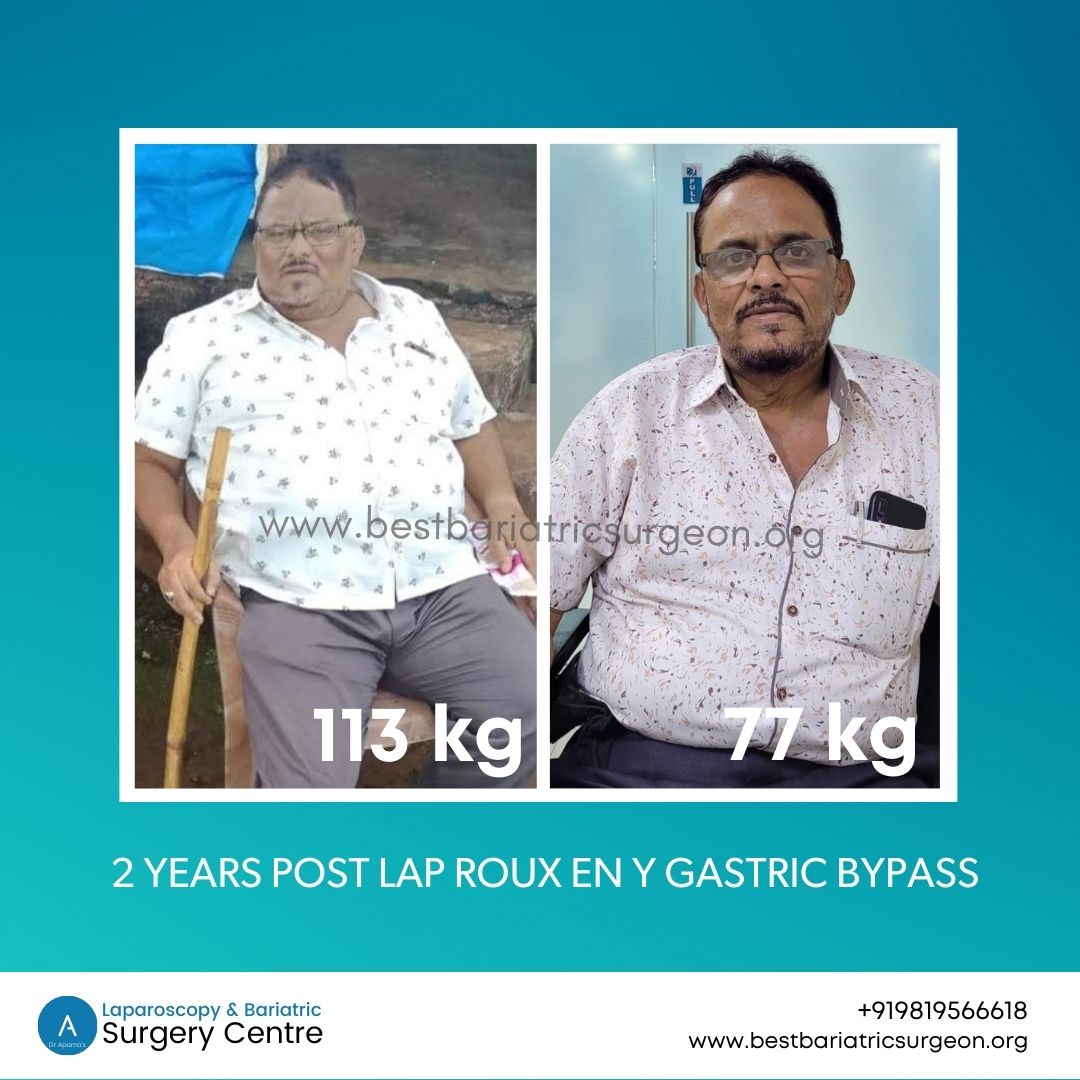
- Gastric bypass
- Sleeve gastrectomy
- Adjustable gastric banding
- SADI-S
- Revision bariatric surgery
These types of bariatric surgery either decrease the volume of the stomach or hinder the absorption of nutrients in the body, along with hormonal changes. Individuals with high Body Mass Index (BMI) who have not benefited from other weight loss techniques, such as diets and physical exercise, or weight loss medications, are usually recommended for bariatric surgery.
How Safe Is It Today?
The development of new technologies and increased medical and surgical expertise has ensured the safety of bariatric surgery to an extent never seen before. This is because most of these surgeries today use minimal invasive techniques known as laparoscopic surgery or robotic surgery, providing the following advantages:
- Small incisions
- Decreased blood loss
- Quick recovery
- Reduced risks of infections
In fact, bariatric surgery safety is quite similar to gallbladder removal. However, as mentioned earlier, there are several factors affecting the bariatric surgery safety, such as the patient’s medical condition, the type of surgery, and the surgical expertise.
How Technology Has Improved Surgical Precision
Today’s bariatric surgery procedures have improved immensely due to technological developments in the medical field. With high-quality visualization tools and precision instruments, doctors can perform the surgery with greater accuracy and better control over their actions. This makes it less likely for complications to arise and helps improve the results. Additionally, better monitoring equipment during surgery can keep track of the patient’s vitals in real time, ensuring that any abnormal readings are immediately addressed.
Benefits That Go Beyond Weight Loss
Although weight loss remains the primary goal of surgery, bariatric surgery provides several other health benefits.
1. Improvement in Obesity-Related Conditions
A lot of patients get improvement in obesity-related conditions, such as:
- Type 2 diabetes
- High blood pressure
- Sleep apnea
- Joint pain
- Decreased cardiovascular disease risk
- PMOS etc
2. Enhanced Mobility and Energy
Bariatric surgery helps patients lose extra pounds and makes them feel more active and able to perform all activities easily.
3. Better Mental Well-being
Improved self-respect, self-confidence, and mental well-being have been commonly experienced among individuals who succeed in their weight reduction efforts.
Understanding the Risks Involved
Even though there are various benefits associated with bariatric surgery, it is a complicated procedure, which means that certain risks should be taken into consideration.
Short-Term Risks
- Surgical site infection
- Staple line leaks
- Bleeding
- Allergic reaction to anesthesia
- Formation of blood clots
Long-Term Risks
- Malnutrition, particularly concerning iron, calcium, and vitamins
- Rapid food emptying of the stomach (“dumping syndrome”)
- Gastrointestinal problems like ulcers or acid reflux disease
- Intrarenal herniation
It should be noted that one of the factors that determines the safety of bariatric surgery is adequate aftercare.
Who Is an Ideal Candidate?
Only people who satisfy particular criteria can become bariatric surgery patients.
- People with a BMI greater than 35 kg/m2
- Individuals with a BMI greater than 30 kg/m2 and associated obesity complications
- Those who failed to lose weight using other options
Also vital is the patient’s commitment to making lasting changes in terms of their diet, physical activity, and regular medical checkups.
The Role of Pre- and Post-Surgical Care
When it comes to safety, it is not only during the actual surgery but also in preparation for it and after it is done.
Before Surgery
- Full health assessment
- Nutrition consultation
- Mental health evaluation
- Medical fitness
- Pre-anesthetic check-up
After Surgery
- Diet plan management
- Periodic vitamin level checkups
- Introduction of physical activities
Taking medical advice will go a long way in preventing complications.
The Importance of Long-Term Lifestyle Commitment
Weight reduction by surgery alone does not constitute a total treatment process. It requires a high level of personal responsibility and dedication from the patient in terms of adopting healthy practices, such as proper nutrition, physical exercise, and scheduled follow-up visits with a healthcare provider. The individuals who adopt this lifestyle will be able to achieve successful weight reduction without any complications.
Having an understanding of this requirement will help patients establish reasonable expectations.
Common Misconceptions About Bariatric Surgery
There are various misconceptions regarding the operation that cause unnecessary fear or false hope.
“It’s an easy way out.”
This is far from the truth since bariatric surgery needs dedication throughout life.
“Results are immediate and permanent.”
It takes time to lose weight, and it needs maintenance.
“It’s too dangerous.”
Though risks cannot be entirely ruled out, modern medicine and skilled surgeons make it relatively safe for qualified candidates.
Factors That Influence Surgical Outcomes
Various elements contribute to successful and safe surgeries:
- Experience and qualifications of the surgeon
- Type of surgery conducted
- Pre-existing conditions in patients
- Compliance with recommendations for post-surgical care
Patients who are directly involved in the process of their recovery are likely to have a more productive outcome of the operation.
A Balanced Perspective on Safety and Success
In assessing bariatric surgery safety, it is essential to take an overarching perspective into consideration. In many cases, the risks related to untreated obesity, including coronary disease, diabetes, and shortened lifespan, may be more dangerous than the risks of undergoing surgery.
Under the correct medical supervision, proper planning, and regular follow-ups, bariatric surgery could prove to be one of the most revolutionary moves that you could make for your health.
Taking the Next Step Toward Healthier Living
Bariatric surgery is an important decision that one needs to consider carefully after due diligence. Thankfully, nowadays there are numerous choices available, such as weight loss surgery, gastric bypass surgery, laparoscopic bariatric surgery, obesity treatment, and consultations with bariatric surgeons, which have proven to be much more efficient and safe than ever before.
If you’re considering this journey, seeking proper medical advice would be imperative. And for those who seek reliable healthcare services with advanced surgery procedures, MetaHeal-Laparoscopy & Bariatric Surgery Center could prove to be a good starting point.