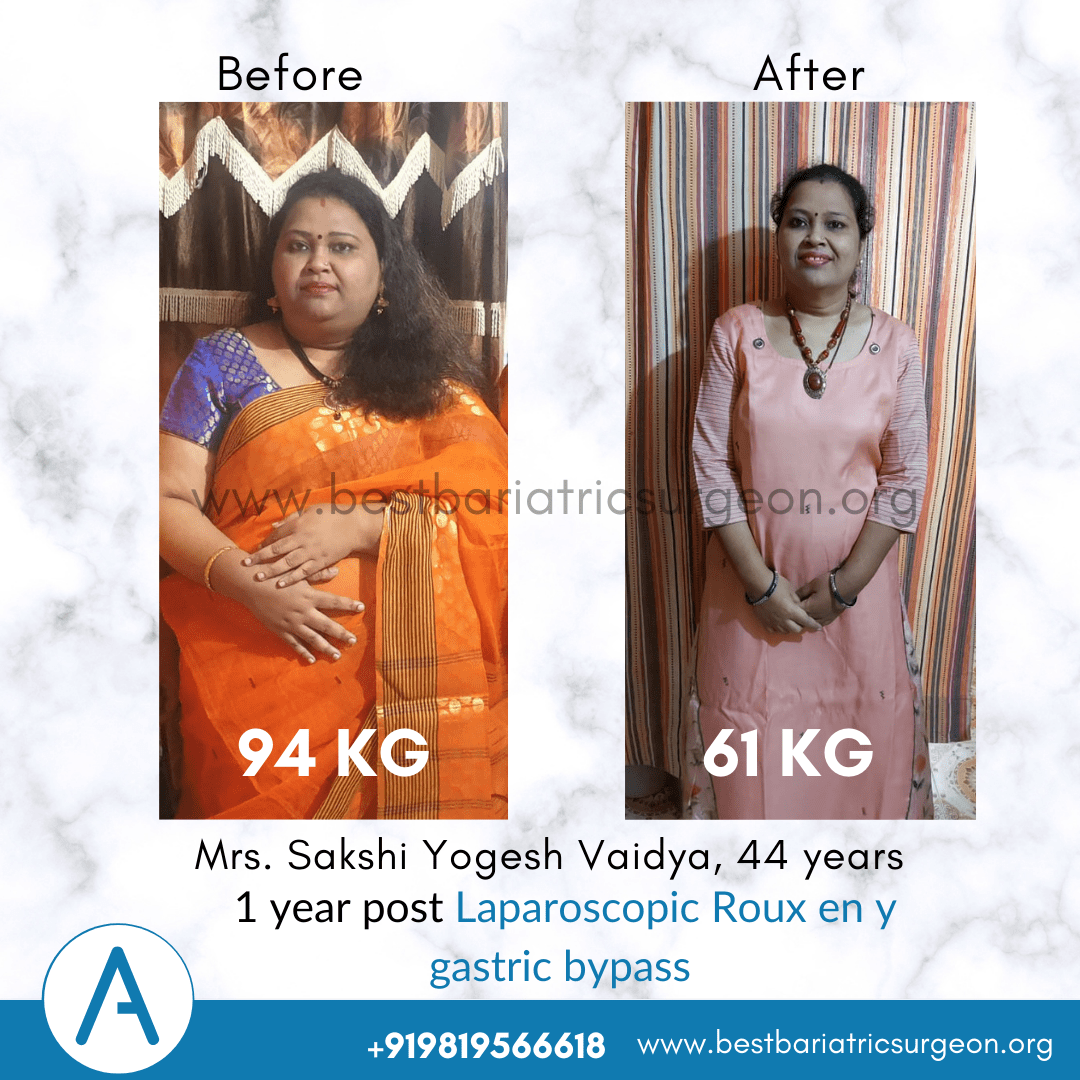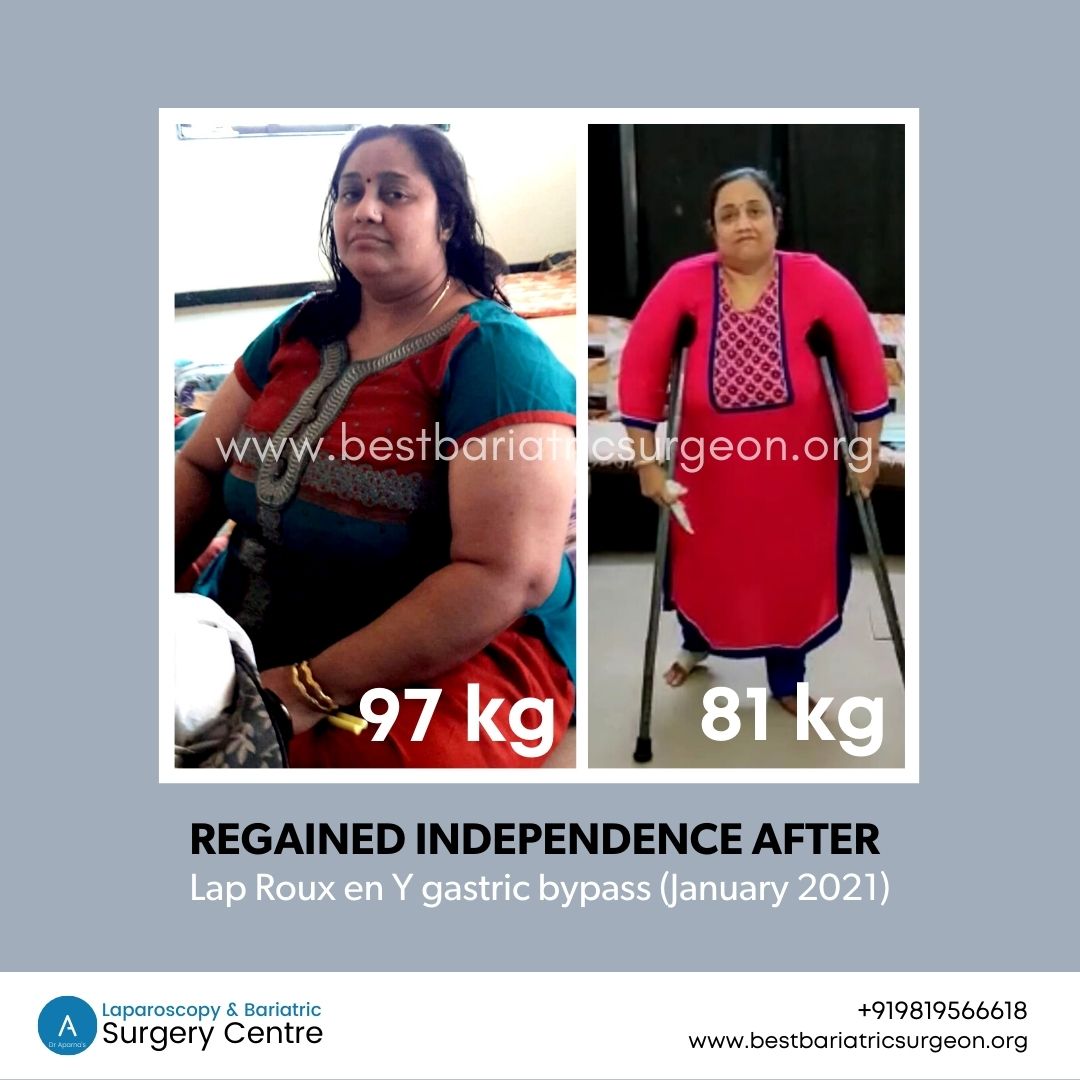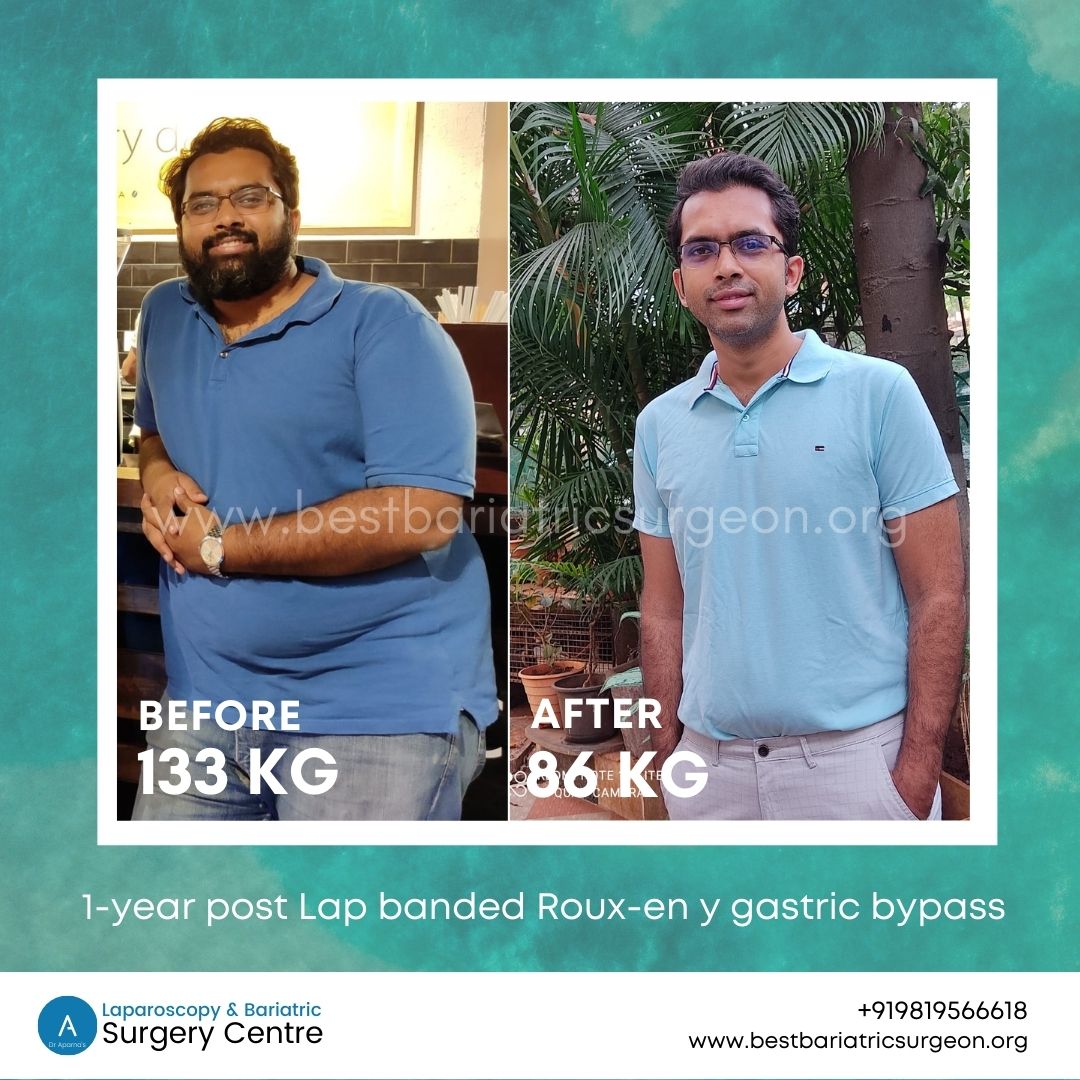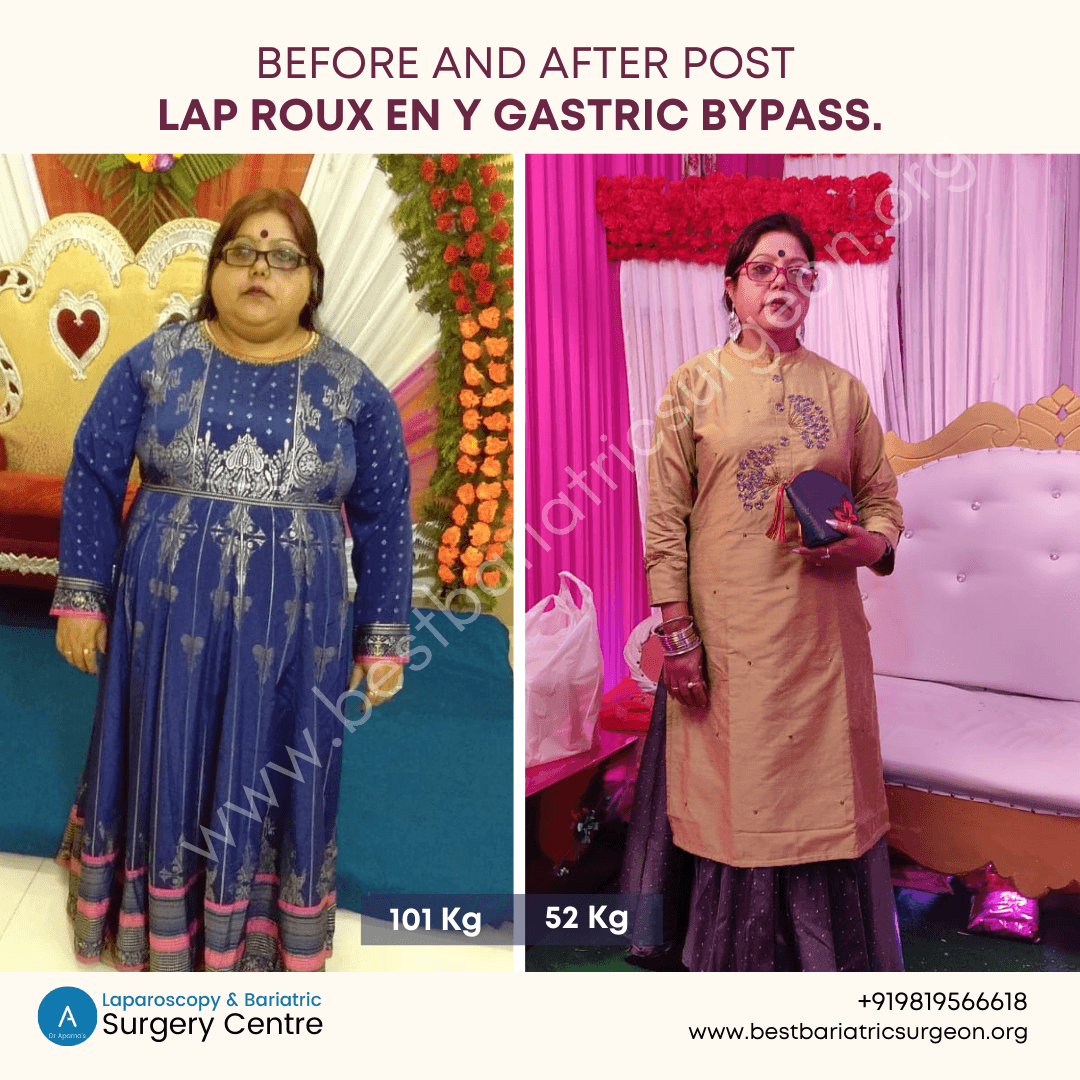
Weight loss surgery is essentially a powerful tool that enables people to drift toward better health. However, it is never the entire solution by itself. Patients’ long-term success is largely dependent upon their ability to adjust to the new eating habits, incorporating physical activities and other daily routines after the surgery. We, at our center, repeatedly remind our patients that weight loss surgery in Mumbai is only the first step in their journey, not the end. Through this blog, we explain what life post-surgery looks like and how the right diet along with lifestyle choices keeps your results intact for a long time.
The First Few Weeks: Healing Comes First
It is the healing process that takes center stage in the early recovery period whereby the stomach is getting accustomed to the new size and functioning. Along with this, nutrition is also very carefully planned and monitored.
Patients typically go through the following stages:
- Clear liquids in the first few days
- Full liquids and protein shakes in the following weeks
- Soft and mashed foods after that
- Gradual return to solid foods under medical supervision
Portion sizes are very strictly controlled, and the food intake is done slowly and in a very conscious manner. This stage is not really about losing weight only, but it is primarily about ensuring safety after the operation, thus, prevention of diseases, and regaining of physical strength.
Building a Balanced Bariatric Diet
After the solid foods have been allowed again, the main focus of the diet is on the quality of food rather than the quantity. As the stomach is only capable of holding a very small amount of food, the nutrition of every bite has to be of high value.
Key principles of a healthy post-surgery diet include:
- High protein intake to support muscle mass and healing
- Low sugar and low refined carbohydrates to avoid dumping syndrome and sugar spikes
- Healthy fats in moderation for energy and nutrient absorption
- Plenty of fiber from vegetables to aid digestion
- Adequate hydration, taken in small sips throughout the day
Usually, meals are small but are taken in more than one sitting; thus, patients get the opportunity to keep their energy levels stable without putting too much pressure on the digestive system.
Why Protein Becomes the Priority
Protein is the most important element of the post-surgery diet plan. Among others, it helps:
- Tissue repair
- Muscle strength
- Hair and skin health
- Improved metabolism
Without enough protein, the patients will have to face the condition of lack of energy, muscle loss, and slow recovery. In order to meet their daily needs, especially in the first few months, the patients will be advised to consume lean meats, eggs, dairy, legumes, and medically approved protein supplements.
Micronutrients and Lifelong Supplementation
The main reason for separation is the changes made to the digestive tract, and as a result, the body may not take in vitamins and minerals as it used to. To avoid deficiency, most patients are put on lifelong supplementation.
Common supplements include:
- Multivitamins
- Vitamin B12
- Iron
- Calcium with vitamin D
Regular blood tests are very important, and they help to keep track of the levels that should be within the safe limits. The omission of supplements may lead to anemia, bone resorption, nerve problems, and tiredness that will become chronic in time.
Eating Habits That Shape Long-Term Success
Besides the food that one chooses, the manner of eating is equally important to the food that one eats after surgery.
Healthy eating behaviors include:
- Eating slowly and chewing thoroughly
- Stopping at the first sign of fullness
- Avoiding drinking fluids with meals
- Planning meals ahead to prevent impulsive eating
- Recognizing emotional hunger versus physical hunger
These habits help to lessen the discomfort, speed up the digestion process, and prevent overeating even though the stomach is smaller.
Returning to Physical Activity Safely
Physical movement is very important for keeping weight off, making the heart healthier, and improving the mood. Usually, the activity is light walking during the recovery period and is increased gradually as the patient gets his/her strength back.
Most patients move on to:
- Brisk walking or cycling
- Light strength training
- Low-impact exercises like swimming or yoga
Physical activity helps to burn fat while at the same time, it maintains the muscle mass. In addition, it benefits joint health, sleep, and stress over time.
Mental and Emotional Health After Surgery
Bariatric surgery causes the body to change its appearance; however, it requires emotional adjustments too. A lot of patients feel a combination of these emotions: excitement, anxiety, confidence, and vulnerability during the body transformation process.
Common emotional challenges may include:
- Changes in self-image
- Social pressure or unwanted attention
- Shifts in relationships and daily routines
- Past emotional eating habits resurfacing
That is the reason why psychological support and attending the support groups are usually parts of the follow-up care. Dealing with emotional health is the main way to be sure that there will be no return to unhealthy eating habits.
Lifestyle Changes That Protect Your Results
Operation changes the way the alimentary canal works, but the daily routine is what determines the results in the long run. Most of the patients who have successfully maintained their outcomes have committed themselves to a holistic lifestyle approach.
Important lifestyle practices include:
- Consistent sleep patterns to regulate metabolism
- Stress management through relaxation techniques
- Limiting alcohol, as absorption increases after surgery
- Avoiding smoking, which can slow healing and raise complication risks
- Regular medical follow-ups to track progress and nutritional health
Such habits synergize with diet and exercise to be a double security for both weight loss and general health.
Long-Term Follow-Up: A Critical Part of Care
One can hardly overemphasize the importance of organized follow-up visits that should be regular. They give the medical team an opportunity to:
- Monitor weight trends
- Adjust dietary plans
- Detect and treat nutritional deficiencies early
- Address plateaus or minor weight regain
- Provide emotional and behavioral support
At this point, many patients weigh their progress with the help of weight loss surgery in Mumbai and acknowledge that professional guidance is as necessary after their operation as it was before.
Adapting to Plateaus and Minor Weight Fluctuations
Weight loss is not linear. Plateaus are very frequent and totally normal. Patients may feel very discouraged during such stages, but small adjustments are usually enough to restart the progress:
- Reassessing portion sizes
- Increasing physical activity
- Refocusing on protein intake
- Reviewing food journals for hidden calories
Sustained success is based on being consistent rather than perfect.
Life Beyond the Numbers on the Scale
Reduction of weight is the major visible outcome; however, most patients realize that there are even bigger changes beyond the scale:
- Improved blood sugar control
- Reduced blood pressure
- Less joint pain
- Better sleep quality
- Increased energy and mobility
These health benefits greatly improve the quality of life, personal freedom, and long-term disease prevention.
A Future Shaped by Informed Choices
With surgery, the patient is offered a new life, but it is still up to him/her daily nutrition, exercise, and awareness that determine the final results. Knowing about protein, supplements, mental health, and follow-up care helps the patients to be more confident in their next steps. The journey with weight loss surgery in Mumbai is not over after the hospital stay; it is a continuous process of lifestyle choices, medical guidance, and personal commitment.
A Path That Continues with Care and Commitment
We in our clinic consider postoperative life as a continuous cooperation between the patient and the medical team. With proper help, willpower, and support, patients are able to keep their results and enhance the overall quality of their lives. The Best Bariatric Surgeon not only performs as a safe operation but is also concerned about well-organized aftercare that is focused on sustainable health if you are looking for long-term success. When followed up consistently and guided professionally, patients can also rightfully consider the bariatric surgery cost in Mumbai, gastric sleeve surgery, and laparoscopic weight loss surgery options as their next steps towards health goals, if done with responsibility, education, and long-term commitment.