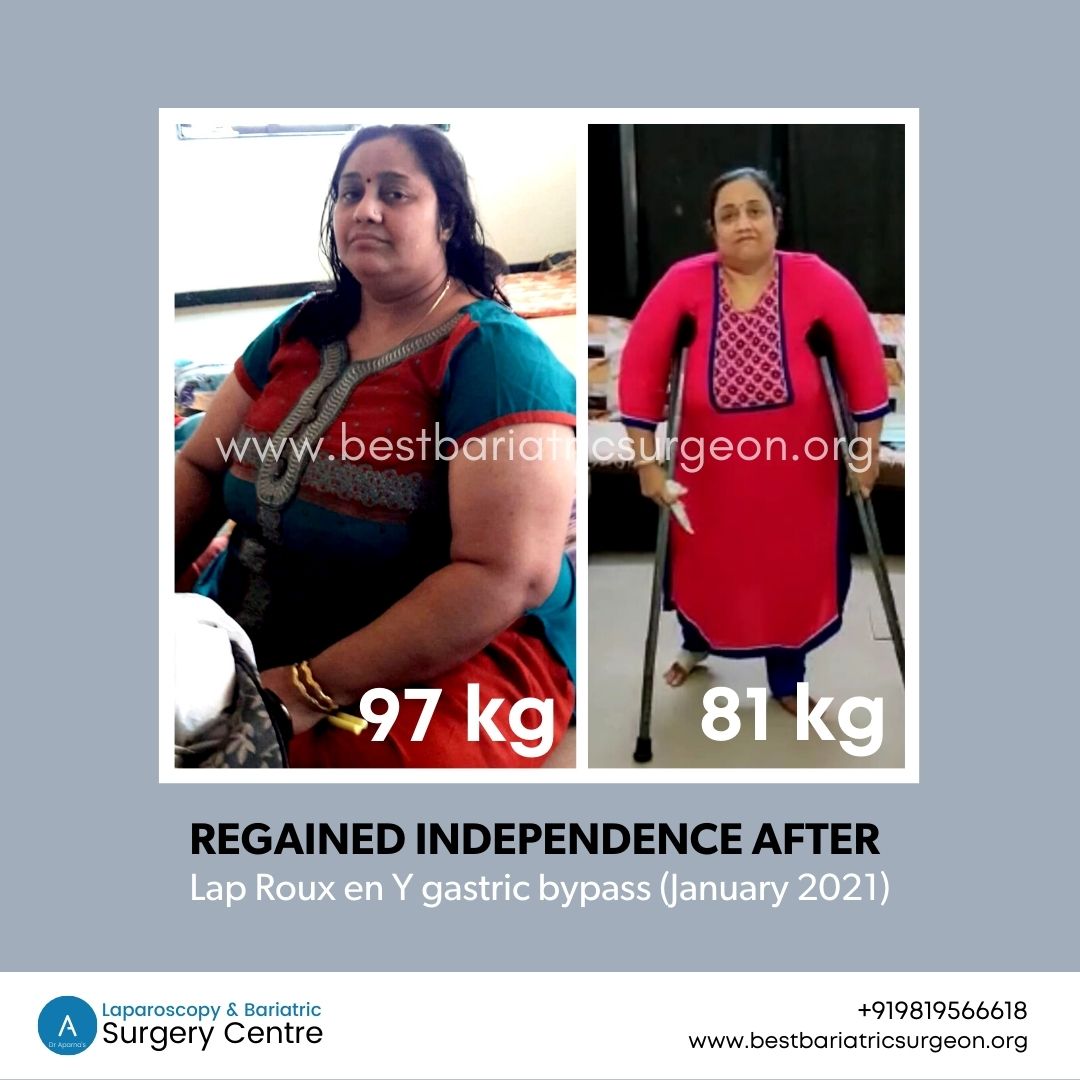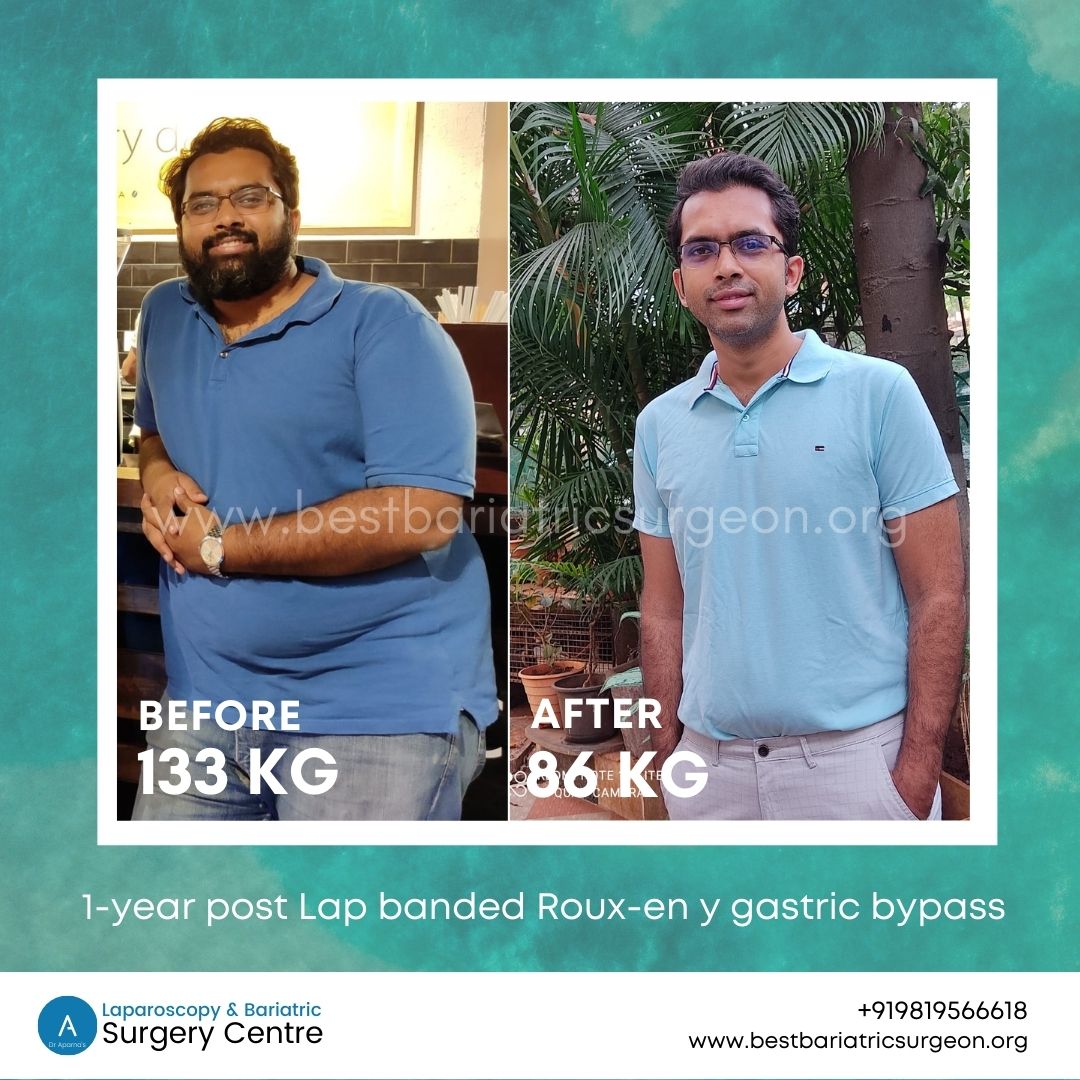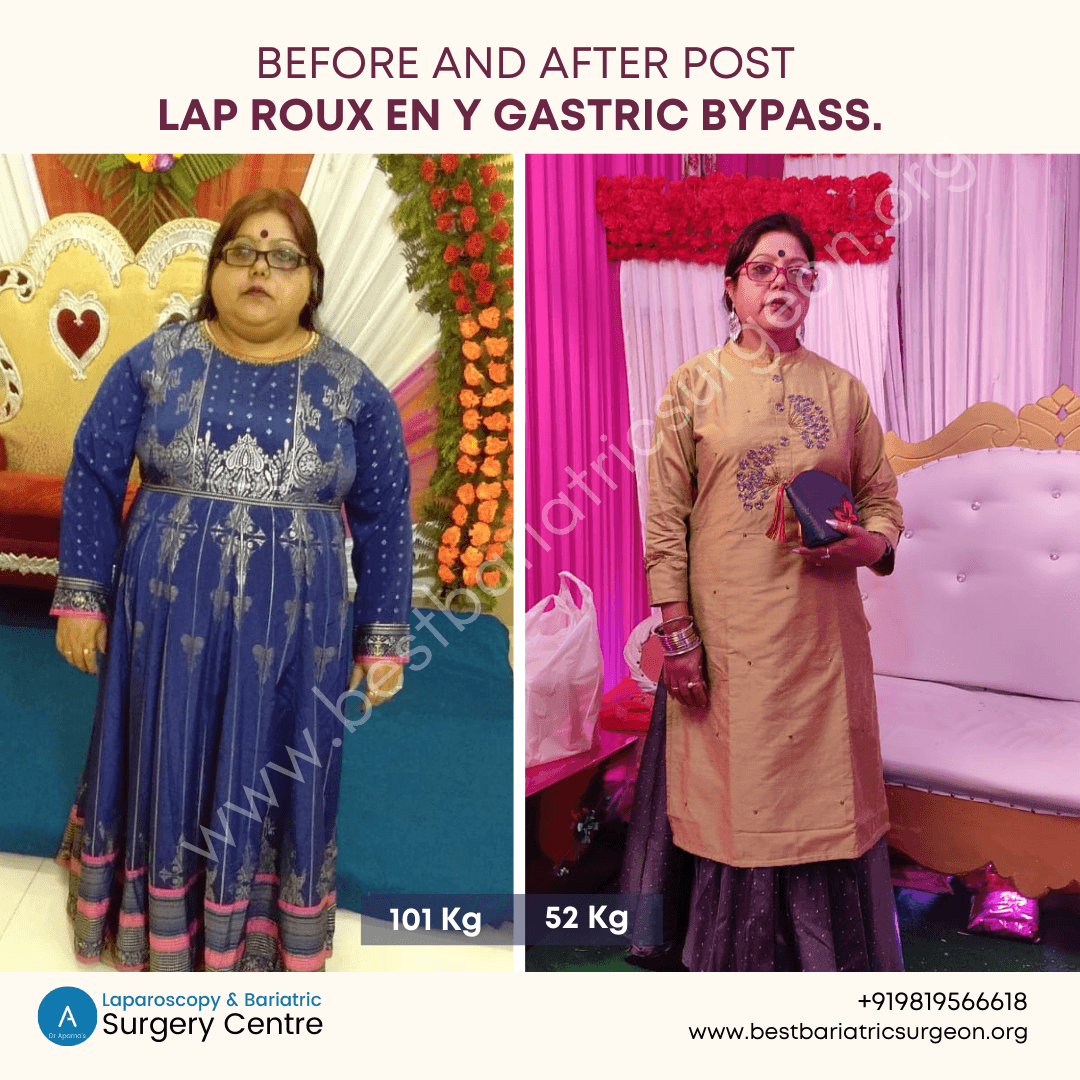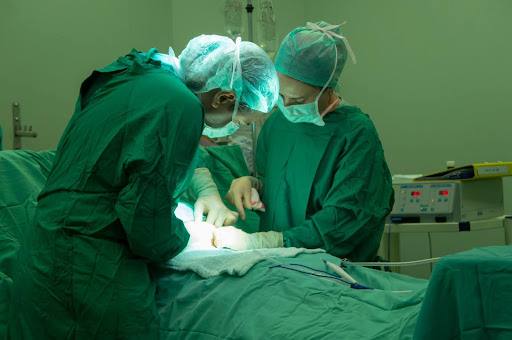
Currently, obesity has become one of the most critical issues in the world, with millions of people suffering from the condition and risking severe medical conditions such as type 2 diabetes, hypertension, heart problems, sleep apnoea, and joint issues. However, for people who have difficulties losing weight through dieting, physical exercise, and medications, bariatric surgery is recommended. Trained bariatric surgeons in Mumbai assist patients in different types of bariatric surgeries that assist in weight loss while improving good health.
Bariatric surgeries involve different types of operations that affect the digestive system to limit the intake of food, alter the absorption of calories, and lead to profound hormonal changes. Understanding the different types of bariatric surgeries and their effects on the human body can assist patients in the decision-making process during the medical journey.
Understanding the Purpose of Bariatric Surgery
It is essential to note that bariatric surgery is intended to promote weight reduction through the reduction of the stomach and altering the anatomy of the digestive system. This is not the key purpose; the surgery also affects hormones that control hunger, metabolic rates, and blood glucose levels.
Some of the changes that bariatric surgery patients report include remission or improvement in:
- Type 2 diabetes
- High blood pressure
- Sleep apnea
- High cholesterol
- Fatty liver
- Infertility
- Joint pain and movement problems
By affecting these two critical areas, bariatric surgery assists individuals in adopting healthy eating habits and achieving weight management.
Gastric Bypass Surgery (Roux-en-Y)
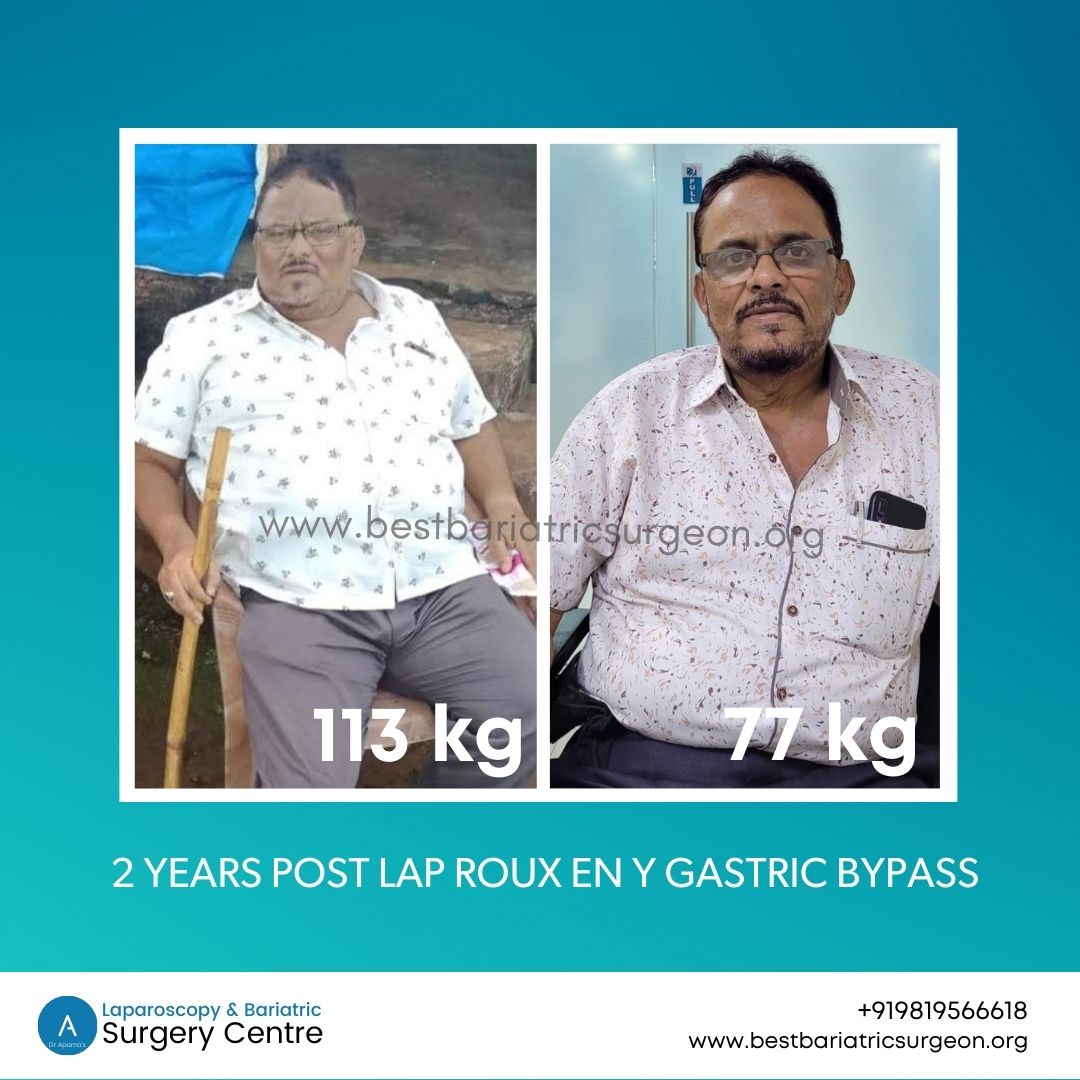
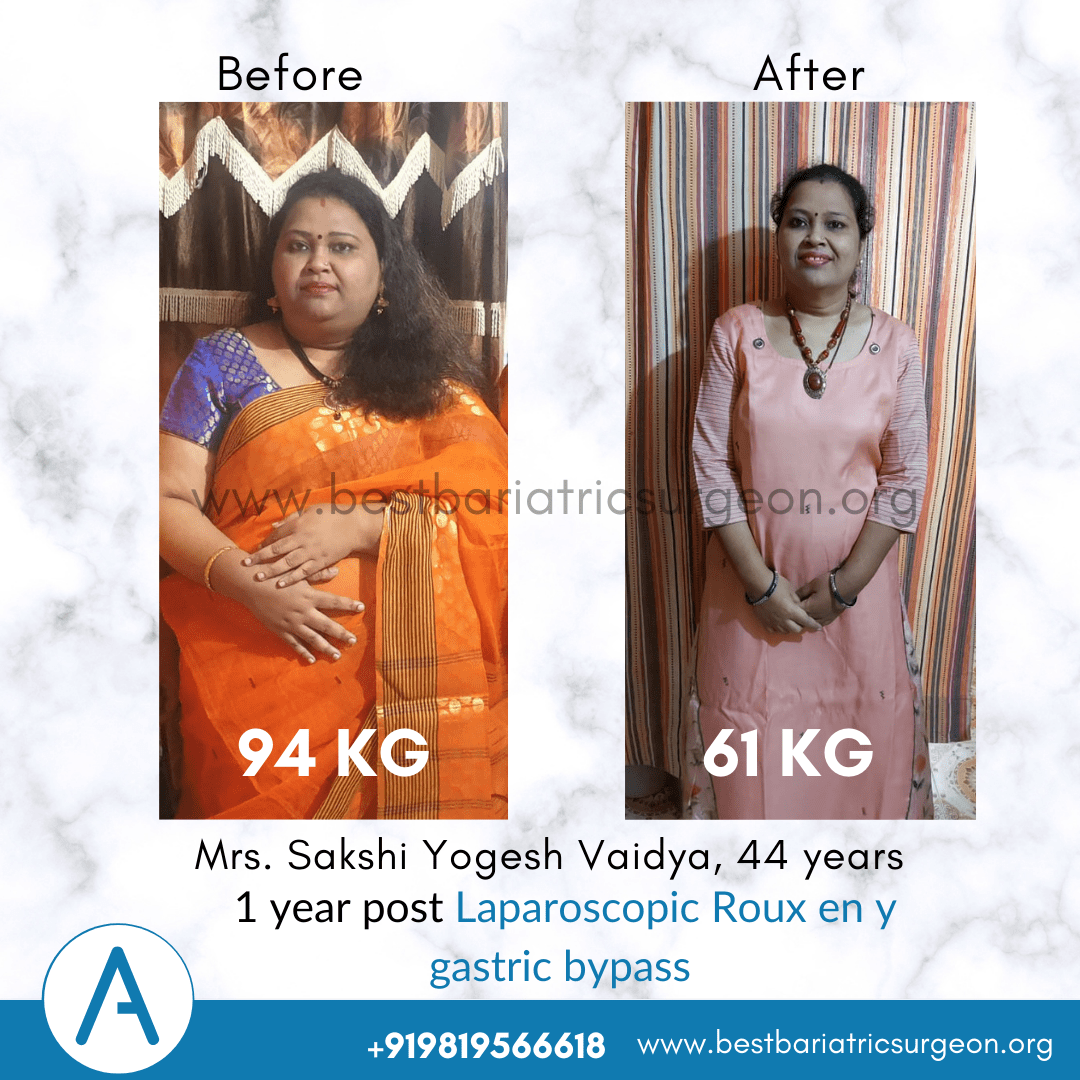
One of the most popular types of bariatric surgery is the gastric bypass procedure. In this procedure, surgeons create a small pouch at the top of the stomach and attach it directly to the small intestine.
What changes in the body?
The procedure changes the body in two ways:
- Reduced stomach capacity
The new pouch can carry much less food compared to the normal capacity of the stomach.
- Limited Calorie Absorption
The food bypasses part of the small intestine, which means that the body absorbs fewer calories and nutrients.
- Hormonal changes
Roux-en-Y gastric bypass leads to increased GLP 1, GIP, and PYY levels. These hormones lead to increased fullness and satiety. It also leads to decreased Ghrelin levels, which reduces hunger.
- Other effects – Change in gut microbiota, bile acid interactions
Health impact
Gastric bypass can bring about considerable weight loss and rapid improvement in metabolic conditions. Patients with type 2 diabetes can see improvement in blood sugar levels shortly after surgery.
Sleeve Gastrectomy
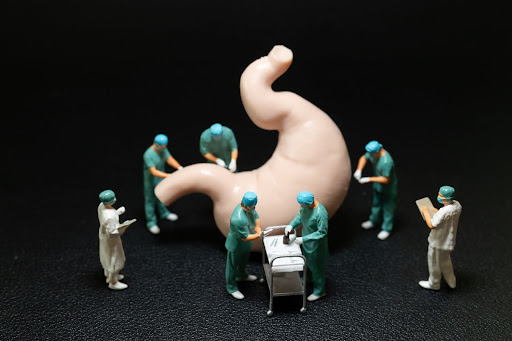
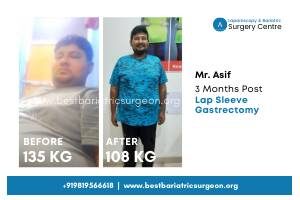
Sleeve gastrectomy has emerged as one of the most performed surgical procedures for weight loss around the world. In this surgical procedure, a large part of the stomach is removed, creating a narrow, sleeve-like stomach.
How it affects the body
- Reduced Stomach Volume: The stomach is made smaller, reducing food consumption.
- Hormonal Changes: The removed part of the stomach contains a hormone called Ghrelin, which leads to a decrease in hunger in humans.
- Improved Metabolism: Patients can see improvement in their metabolism.
Since this procedure does not reroute the digestive tract, it is considered easier compared to gastric bypass while still reaping considerable benefits for weight loss. It also leads to fewer nutritional deficiencies.
Adjustable Gastric Band
Although not as common today, the adjustable gastric band procedure was once the most sought-after weight loss treatment about 20 years ago.
In this procedure, the surgeon places a band made of silicone around the upper part of the stomach to create a small pouch.
Effects on the body
- Slows the passage of food from the pouch to the rest of the stomach
- Encourages smaller meal portions
- Allows adjustments without additional surgery
However, due to the uncertainty of the outcome over time and the difficulty in maintaining the band, surgeons now advise the use of advanced weight loss treatments such as the sleeve gastrectomy procedure or the bypass procedure.
Biliopancreatic Diversion with Duodenal Switch (BPD-DS)
This surgery is usually recommended to people with severe obesity, as well as those who are not responding to other weight loss methods.
The procedure consists of two aspects:
- Sleeve Gastrectomy: The size of the stomach is reduced
- Bypass: A large part of the small intestine is bypassed
What does it affect in the body?
The duodenal switch causes malabsorption and restriction in the body because:
- Patients consume fewer calories because of the smaller size of the stomach
- The body absorbs a smaller amount of calories and fat
As a result of this surgery, a person has to be cautious about nutrition, as well as ensure they take vitamin supplements.
At this point, it becomes important to contact experienced bariatric surgeons in Mumbai, as they are able to evaluate whether a complex surgery, such as the BPD-DS, is suitable for a patient’s condition. This is not a very popular procedure in India as the protein demand is very high. The Indian diet is usually not so high in protein.
Hormonal and Metabolic Changes After Bariatric Surgery
Besides the physical alterations in the digestive system, this surgery also affects hormones related to hunger, satiety, and metabolism.
Some of the hormonal changes are as follows:
- Less ghrelin hormone: Less hunger between meals
- Increased satiety hormones: Patients feel full faster
- Improved insulin function: Better control over blood sugar
- Changes in gut bacteria: Improved metabolic health
These changes are the reason why metabolic diseases improve following bariatric surgery before weight loss occurs.
Lifestyle Changes That Support Surgical Success
While the surgery provides the required impetus for weight loss, lifestyle changes are the ones that ensure the success of the surgery in the long run. A patient has to develop the required changes in lifestyle and regularly visit the doctor.
Essential lifestyle adjustments include:
Dietary changes
- Taking in small, nutritious meals
- Avoiding foods high in sugar and fat
- Incorporating protein in meals
Physical activity
- Gradual increase in physical activities
- Inclusion of physical exercises
Medical monitoring
- Scheduled follow-up appointments
- Nutritional supplementation, if required
- Checking vitamin and mineral levels
These modifications ensure that the patient is able to retain his or her health along with the results of the weight loss process.
A Holistic Approach to Long-Term Weight Management
Bariatric surgery is not just about weight reduction; it is about improving one’s quality of life and treating critical health problems associated with obesity. Each type of bariatric procedure has a different impact on the body, with some procedures designed to restrict the amount of food the stomach can hold and others designed to restrict the body’s ability to absorb calories.
Understanding bariatric procedures helps patients feel more comfortable with their choices and the process they are about to undertake. Patients can seek guidance from top bariatric surgeons in Mumbai to determine the right approach for weight reduction based on medical history, lifestyle, and long-term health goals.
Our clinic is dedicated to providing individualized care and attention to patients who are looking for long-term weight management solutions. For those looking for expert solutions in weight reduction surgeries in Mumbai, gastric sleeve surgery, gastric bypass surgery, obesity treatment, and metabolic surgery, the Best Bariatric Surgeon at MetaHeal Laparoscopy and Bariatric Surgery Center can provide the support and assistance needed to undertake the process with confidence and assurance.