Acid reflux and gastroesophageal reflux disease (GERD) are common digestive problems that affect many people today. GERD occurs when stomach acid repeatedly flows back into the esophagus, leading to heartburn and irritation. Occasional reflux is normal, but frequent symptoms may point to a chronic condition that needs medical attention.
Several factors can cause GERD, including lifestyle habits, food choices, and certain medical conditions. One of the major medical causes is a hiatal hernia, where a part of the stomach moves upward through the diaphragm, making it easier for acid to flow back into the esophagus.
In such cases, surgery might be needed to correct the problem. Those considering this treatment should know about the hernia operation cost in Mumbai, as it depends on the type of surgery and the complexity of the condition. Understanding these causes can help you take steps to reduce discomfort and improve digestive health.
Daily Habits That Fuel Acid Reflux
Many people are unaware that their everyday choices play a major role in triggering reflux. The following habits can make symptoms worse over time:
- Irregular sleep patterns: Poor sleep can increase your sensitivity to reflux and make discomfort feel stronger.
- High stress levels: Stress increases acid production in the stomach and makes the esophagus more sensitive to irritation.
- Sleeping posture: Lying flat allows acid to travel back up the esophagus. It’s better to sleep on your left side and keep your head slightly elevated.
- Smoking: Tobacco relaxes the lower esophageal sphincter, the muscle that keeps stomach contents from moving upward.
- Tight clothing: Belts or waistbands that press on your abdomen can push acid into the esophagus.
Avoiding meals right before bedtime, sleeping in an inclined position, and reducing alcohol or tobacco intake can help minimize reflux episodes. Small, mindful adjustments to these daily habits can make a noticeable difference.
When Food Becomes the Trigger
Diet has one of the strongest links to acid reflux. The foods you eat and the way you eat them both play important roles. Some ingredients naturally relax the lower esophageal sphincter, which allows acid to escape upward.
Common dietary triggers include:
- Fried or fatty foods
- Spicy dishes and black pepper
- Citrus fruits and tomato-based sauces
- Chocolate and mint
- Coffee, tea, and carbonated drinks
Large meals also add pressure to your stomach, making it difficult for the sphincter to close properly. Eating smaller meals more often and chewing slowly can reduce this pressure and limit reflux.
Skipping breakfast or eating too quickly can also raise your risk of GERD. Research shows that missing the first meal of the day can make acid reflux more frequent. Developing steady meal times and eating calmly helps support better digestion and fewer reflux symptoms.
How Medical Factors Deepen the Problem
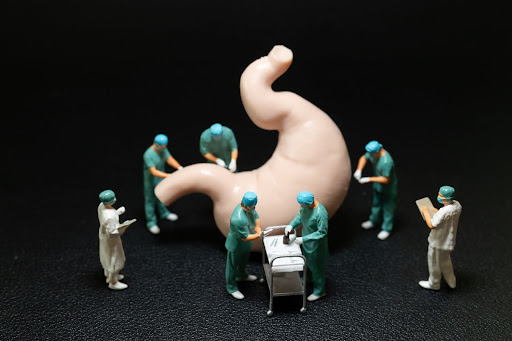
While lifestyle and diet are key triggers, certain medical conditions can make reflux more severe or harder to treat. One of the main medical causes is hiatal hernia—a condition where part of the stomach pushes upward through the diaphragm into the chest cavity. This weakens the barrier between the stomach and esophagus, leading to frequent reflux.
The likelihood of developing a hiatal hernia increases with age. Obesity also contributes, as excess abdominal fat adds pressure to the stomach. Other contributing conditions include:
- Connective tissue disorders such as scleroderma
- Birth abnormalities in the esophagus
- Previous surgeries in the upper abdomen
Additionally, some medications can weaken the lower esophageal sphincter, such as:
- Nitrates and calcium channel blockers (used for heart conditions)
- Benzodiazepines and tricyclic antidepressants (for anxiety and depression)
- Beta-receptor agonists (for respiratory issues)
In cases where medical management and lifestyle adjustments do not bring relief, surgery might be advised. Patients considering this route should be aware of the hernia operation cost in Mumbai, which generally depends on the technique used and the healthcare facility chosen.
Managing GERD the Right Way
Most people can manage GERD effectively with lifestyle and dietary improvements. Here are a few simple, evidence-backed steps:
- Eat smaller, more frequent meals
- Avoid eating within 2–3 hours of bedtime
- Sleep with your head raised or on your left side
- Reduce alcohol, caffeine, and carbonated drinks
- Maintain a healthy weight through balanced diet and light exercise
- Quit smoking and avoid tight waistbands
These practices can go a long way toward reducing discomfort and improving digestion. However, when symptoms continue despite lifestyle and dietary changes, it’s important to seek expert advice. A laparoscopic surgeon can assess the underlying cause of reflux and suggest the most effective treatment. Depending on the condition, this may include medication, endoscopic procedures, or minimally invasive laparoscopic surgery to correct issues like a hiatal hernia. Getting timely care helps prevent complications and ensures long-term relief from acid reflux.
Expert Care for Severe GERD and Hiatal Hernia
For people who have severe or recurring reflux due to a hiatal hernia, surgical treatment can offer lasting relief. The hernia operation cost in Mumbai usually ranges from moderate to high depending on the surgical method, duration of hospital stay, and post-surgery recovery plan. Most insurance providers cover these treatments, especially when the surgery is medically necessary.
Patients who need specialized care for chronic reflux or hiatal hernia can seek treatment from Dr. Aparna Govil Bhasker at Meta Heal. She provides comprehensive solutions tailored to each patient’s needs, focusing on long-term relief and better quality of life. With professional guidance and consistent care, individuals can manage GERD effectively, enjoy their meals comfortably, and maintain better digestive health.