Gallstones are a common problem, but many people are unsure about what treatment they actually need. Some believe that changing their diet can dissolve gallstones, while others worry that surgery is always complicated or painful. The right approach depends on the symptoms, the condition of the gallbladder, and whether complications are present. For people seeking Gallstone treatment in Mumbai, understanding the difference between common myths and medically appropriate treatment options can help them make informed decisions.
What Are Gallstones?
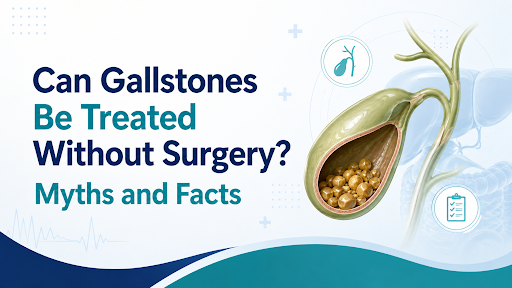
Gallstones are stones that develop inside the gallbladder. They may remain unnoticed for some time, but they can also cause pain and other complications when they obstruct the normal flow of bile.
According to the information available on MetaHeal- Laparoscopy and Bariatric Surgery Center, gallbladder stones can sometimes lead to conditions such as acute inflammation of the gallbladder, blockage of the common bile duct, obstructive jaundice, and acute pancreatitis. Long-standing gallstones can also result in other complications.
This is why a diagnosis of gallstones should not simply be ignored because the symptoms are mild or occasional.
Myth 1: Gallstones Can Always Be Dissolved Naturally
One of the most common beliefs is that gallstones can be permanently removed through home remedies, special diets, juices, or other natural treatments.
There is no such treatment described by specialists as a reliable method for removing gallstones. The treatment approach highlighted is gallbladder removal surgery, particularly laparoscopic cholecystectomy, when surgery is indicated.
Dietary changes may help some people manage digestive discomfort, but they should not be considered a replacement for medical evaluation or recommended treatment.
Myth 2: Avoiding Fatty Food Will Remove Gallstones
Reducing oily and fatty foods is often advised around gallbladder-related problems, but this does not mean that dietary changes remove existing stones.
The specialists specifically recommend avoiding oily and spicy food for a period after gallbladder surgery as part of recovery. This is different from saying that food can dissolve or eliminate gallstones.
If you have recurring abdominal pain after meals or have already been diagnosed with gallstones, it is better to discuss your symptoms with a surgeon rather than relying entirely on dietary restrictions.
Fact: Surgery Is a Common Treatment for Gallstones
Laparoscopic cholecystectomy, commonly referred to as laparoscopic gallbladder removal surgery, is described as one of the most commonly performed general surgeries. The procedure involves removing the gallbladder through small abdominal cuts rather than through one large incision.
Specialists also explain that laparoscopic gallbladder surgery can be performed using conventional laparoscopy or, in selected cases, through a single-incision technique.
For patients who need Gallstone treatment in Mumbai, discussing whether laparoscopic gallbladder removal is appropriate can provide clarity about the safest treatment path.
Myth 3: Laparoscopic Surgery Means a Long and Difficult Recovery
Fear of surgery is another reason people postpone treatment. However, laparoscopic surgery is designed to be minimally invasive.
According to experts, some of the advantages associated with laparoscopic gallbladder removal include:
- Smaller abdominal cuts
- Less postoperative pain and discomfort
- Early mobility after surgery
- Earlier discharge from the hospital
- Earlier return to work
- Better visualisation of the operating area through magnification
- Advantages for patients who are obese
Many patients can go home the day after surgery, although recovery varies from person to person.
When Should Gallstones Be Taken Seriously?
Gallstones should not be dismissed when symptoms become recurrent or when complications are suspected. Certain symptoms require prompt medical attention.
Seek medical advice if you experience:
- Persistent or severe abdominal pain
- Fever
- Repeated vomiting
- Yellowing of the skin or eyes
- Symptoms suggesting a blockage in the bile ducts
- Severe abdominal pain associated with possible pancreatitis
The experts highlight complications including acute cholecystitis, cholangitis, obstructive jaundice and pancreatitis due to blockage caused by gallstones.
Fact: Surgery Does Not Mean You Have to Live With Large Scars
Traditional surgery may make people concerned about visible scars. Laparoscopic techniques have changed this experience considerably.
MetaHeal describes conventional laparoscopic gallbladder surgery as being performed through four small cuts. It also discusses a single-incision technique in which the procedure is performed through an incision within the navel. According to the experts, the single-incision approach can offer cosmetic benefits and may result in less pain in appropriate patients.
However, the appropriate surgical technique should always be decided after evaluating the individual patient.
What Happens After Gallbladder Surgery?
Recovery does not end when the operation is completed. Following the surgeon’s instructions is an important part of healing.
The specialists recommend following prescribed medications, attending scheduled follow-ups, and gradually returning to activity. It also advises avoiding rigorous exercise and heavy weight lifting for around three months, according to the surgeon’s advice.
Patients should also contact their doctor promptly if they develop symptoms such as fever, severe abdominal pain, vomiting, or jaundice after surgery.
Making an Informed Decision About Gallstone Care
The main question should not simply be, “Can I avoid surgery?” Instead, it should be, “What treatment is appropriate for my gallstones and my current condition?”
A consultation with an experienced surgeon can help determine whether observation, further evaluation, or laparoscopic gallbladder removal is appropriate. Dr. Aparna Govil Bhasker is a laparoscopic and bariatric surgeon with more than 20 years of experience and lists gallbladder removal among the laparoscopic procedures performed.
A Safer Path From Symptoms to Treatment
Gallstones may not always cause immediate problems, but persistent symptoms or complications should not be ignored. Myths about natural remedies or avoiding surgery at all costs can sometimes delay appropriate care. If you are looking for Gallstone treatment in Mumbai, a proper surgical consultation can help you understand your options based on your individual condition.
For patients seeking experienced care in laparoscopic and bariatric surgery, MetaHeal- Laparoscopy and Bariatric Surgery Center can be considered a reliable option to opt for. The focus should always remain on accurate diagnosis, appropriate treatment, and safe recovery rather than delaying necessary care because of fear or misinformation.