For people struggling with obesity despite consistent efforts with diet, exercise, and lifestyle changes, weight-loss surgery may become a consideration. However, bariatric surgery is not suitable for everyone, and eligibility depends on factors such as BMI, associated health conditions, previous weight-loss attempts, and overall health. Understanding these factors can help patients have a more informed discussion with a specialist. If you are considering Bariatric Surgery in Mumbai, the first step is not choosing a procedure but understanding whether surgery is medically appropriate for you.
What Is Bariatric Surgery?
Bariatric surgery refers to surgical procedures designed to help with significant weight loss. These procedures work through different mechanisms, depending on the surgery. Some reduce the size of the stomach, while others also alter the way food passes through the digestive system.
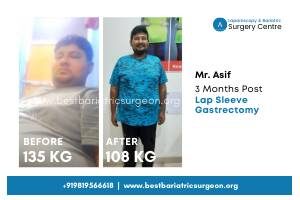
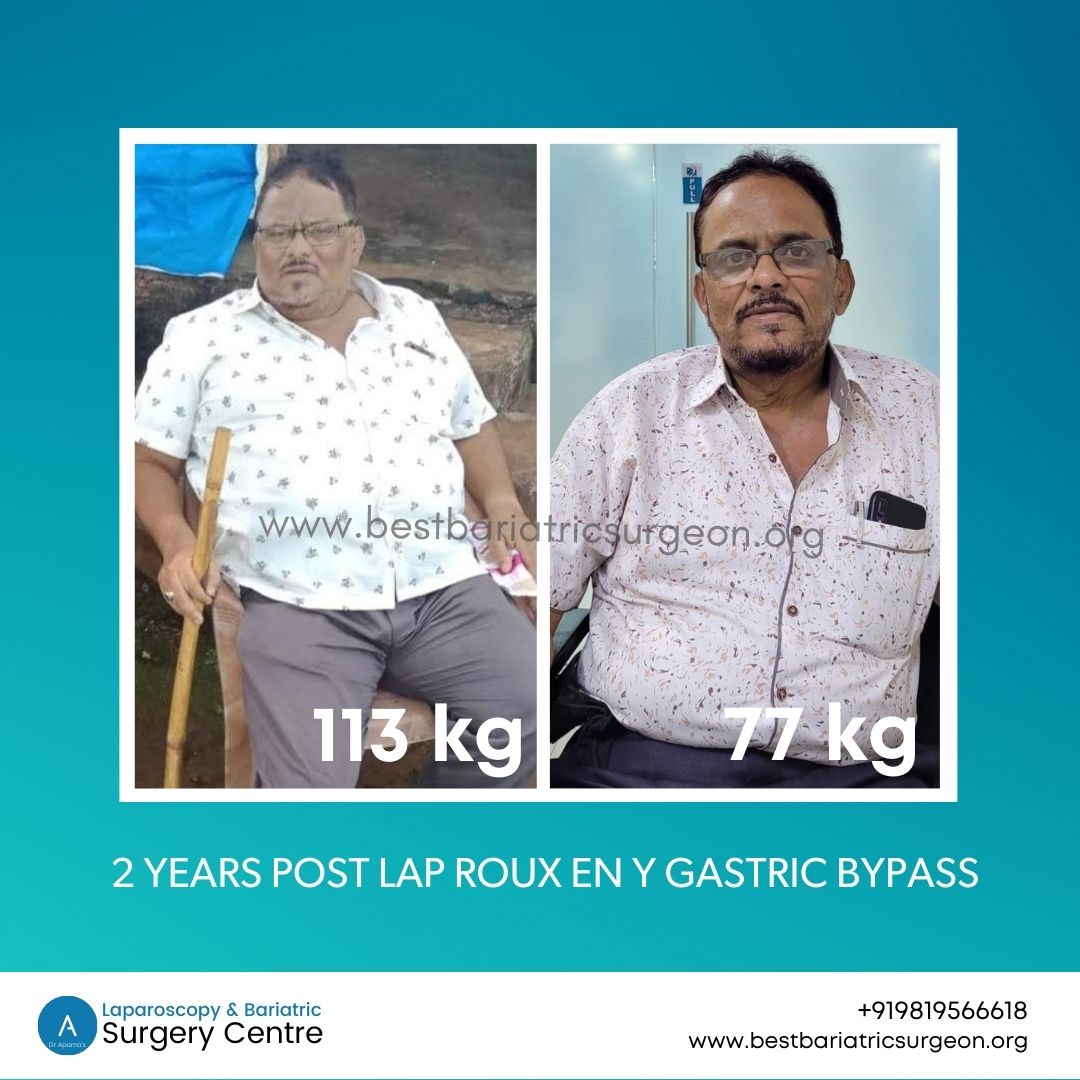
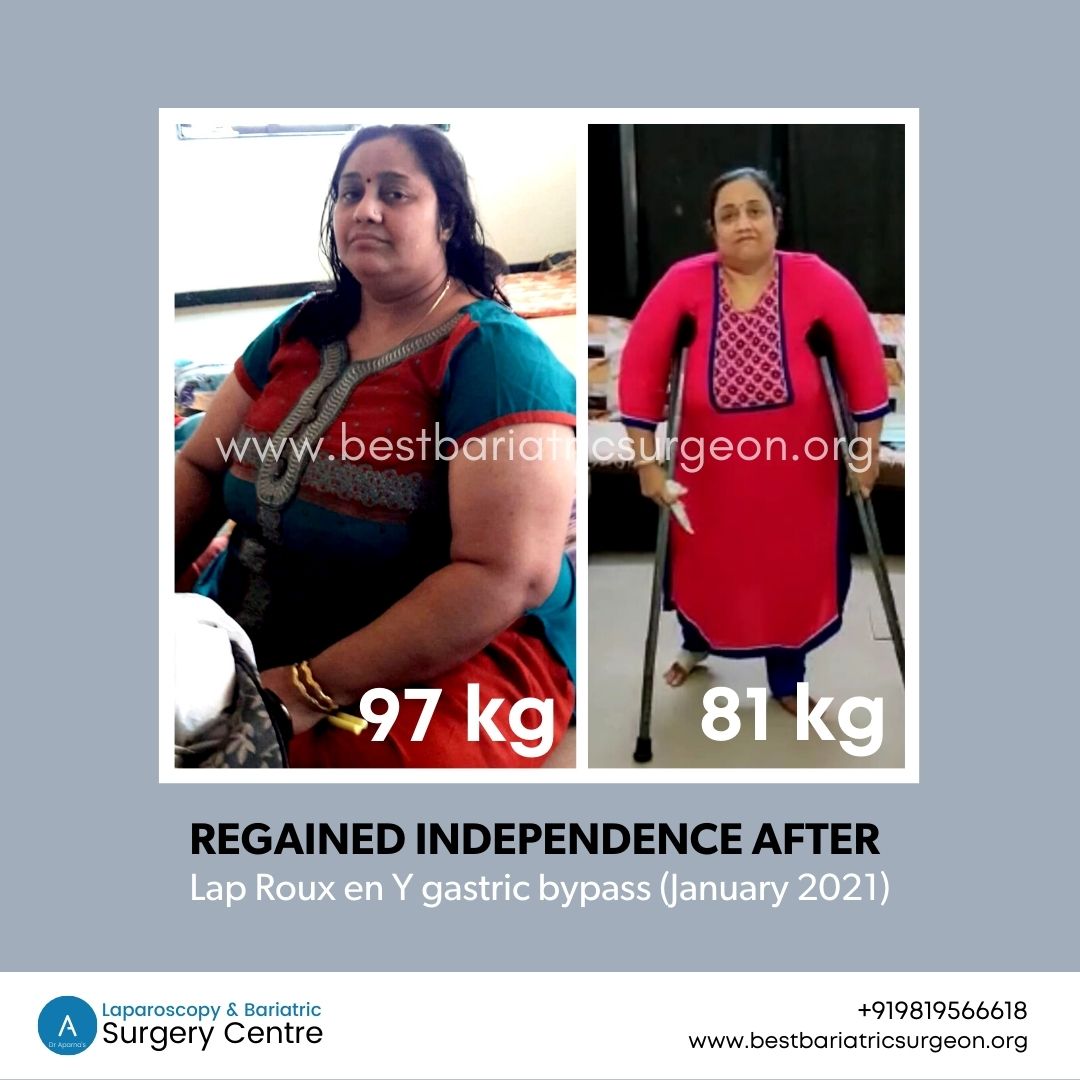
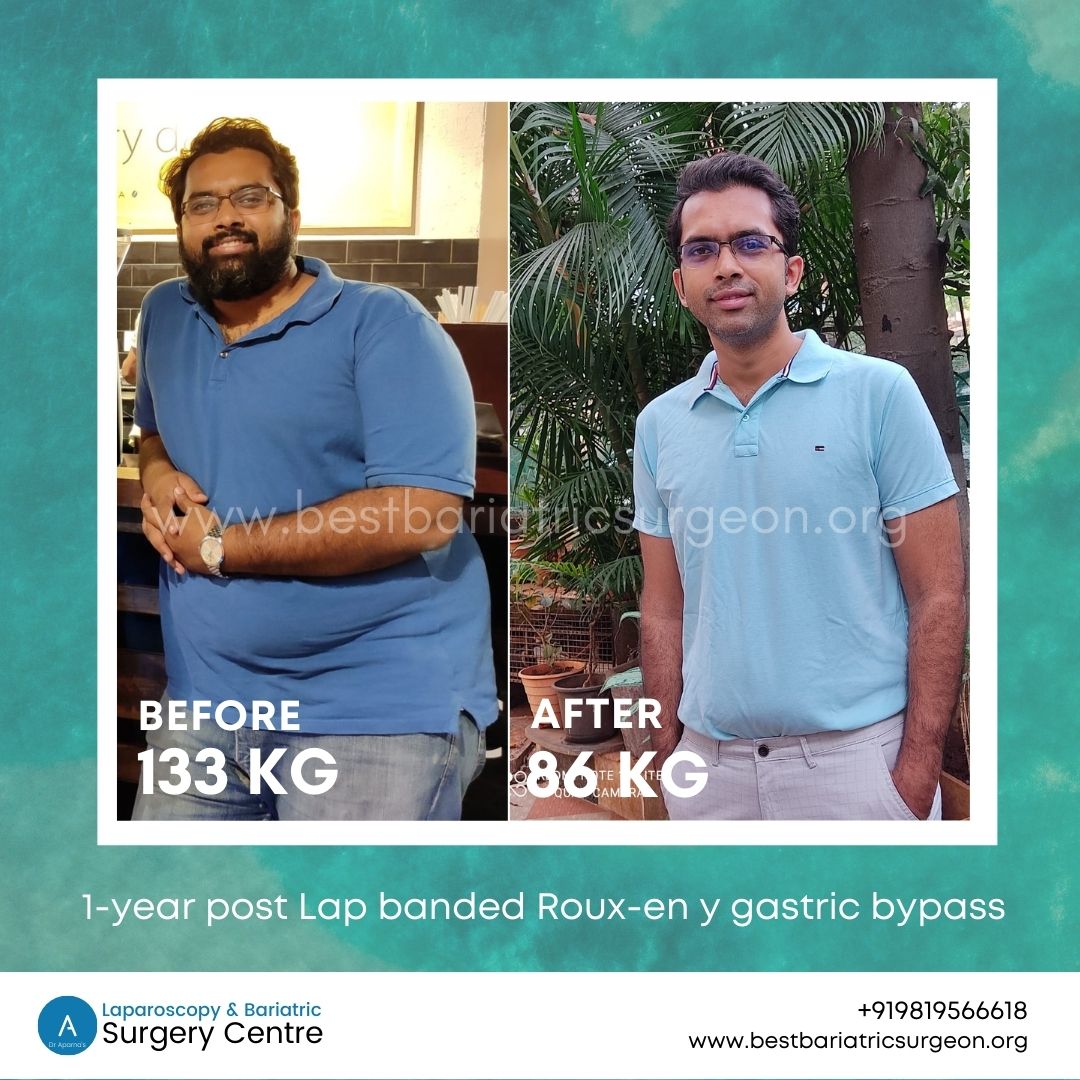
Dr. Aparna Govil Bhasker lists several bariatric procedures, including Gastric Sleeve Surgery / Laparoscopic Sleeve Gastrectomy, Laparoscopic Roux-en-Y Gastric Bypass, Mini Gastric Bypass/Omega Loop Bypass, Adjustable Gastric Banding, Intra-Gastric Balloon, revisional bariatric surgery, SADI-S, and metabolic surgery for diabetes.
The appropriate procedure is determined after assessing the patient’s individual health and weight-related concerns rather than simply selecting the procedure that appears most popular.
Who May Be Eligible for Bariatric Surgery?
According to the OSSI guidelines, suitable candidates for weight-loss surgery generally include people who are around 30 kg above their ideal body weight or have a BMI above 35 without associated diabetes or hypertension. Patients with a BMI above 30 along with associated comorbidities may also be considered.
These figures should not be treated as a self-diagnosis or an automatic approval for surgery. A specialist needs to assess your complete medical situation before determining whether an operation is appropriate.
Health Conditions That May Strengthen the Case for Surgery
Obesity can be associated with several health problems. The page specifically highlights conditions such as:
- Type 2 diabetes
- High blood pressure
- Heart-related health risks
- Obstructive sleep apnoea
- Joint pain
- Other obesity-related complications
The presence of such conditions can be important when evaluating a patient for metabolic or weight-loss surgery.
For patients with type 2 diabetes, metabolic surgery may also be considered in specific situations. The stated criteria include diabetes that is not adequately controlled with medicines and lifestyle changes, evidence of organ damage such as neuropathy or kidney disease, and sufficient insulin reserves at diagnosis.
BMI Is Important, But It Is Not the Only Factor
BMI is commonly used as an initial measure when assessing obesity and potential eligibility for bariatric surgery. However, the decision cannot be based on one number alone.
A specialist may consider your weight history, existing medical conditions, previous attempts at weight management, and the presence of obesity-related complications. Your overall health also matters because surgery requires appropriate preparation and follow-up.
This is why searching for a Bariatric surgeon in Mumbai should be followed by a proper medical consultation rather than relying only on an online BMI calculator.
What Happens During the Evaluation?
A bariatric consultation is intended to establish whether surgery is appropriate and, if so, which procedure may be suitable.
The evaluation may involve understanding:
- Your weight and BMI: Your current weight, height, and weight history help establish the severity and duration of obesity. Waist and hip circumference are also checked.
- Existing medical conditions: Conditions such as diabetes, hypertension, and other obesity-related problems are relevant to treatment planning.
- Previous weight-loss efforts: Your experience with diet, exercise, and other weight-management approaches provides important background.
- Medical suitability: The surgeon needs to determine whether you are medically fit for the proposed procedure.
- The appropriate surgical approach: Different bariatric procedures have different mechanisms and are not interchangeable.
The centre also emphasises that undergoing weight-loss surgery involves examinations and thorough medical assessment before treatment.
Which Bariatric Procedure Might Be Right for You?
There is no single bariatric procedure that is ideal for every patient. The options available through the centre include sleeve gastrectomy, Roux-en-Y gastric bypass, banded gastric bypass, mini gastric bypass, duodenal switch, SADI and other specialised procedures.
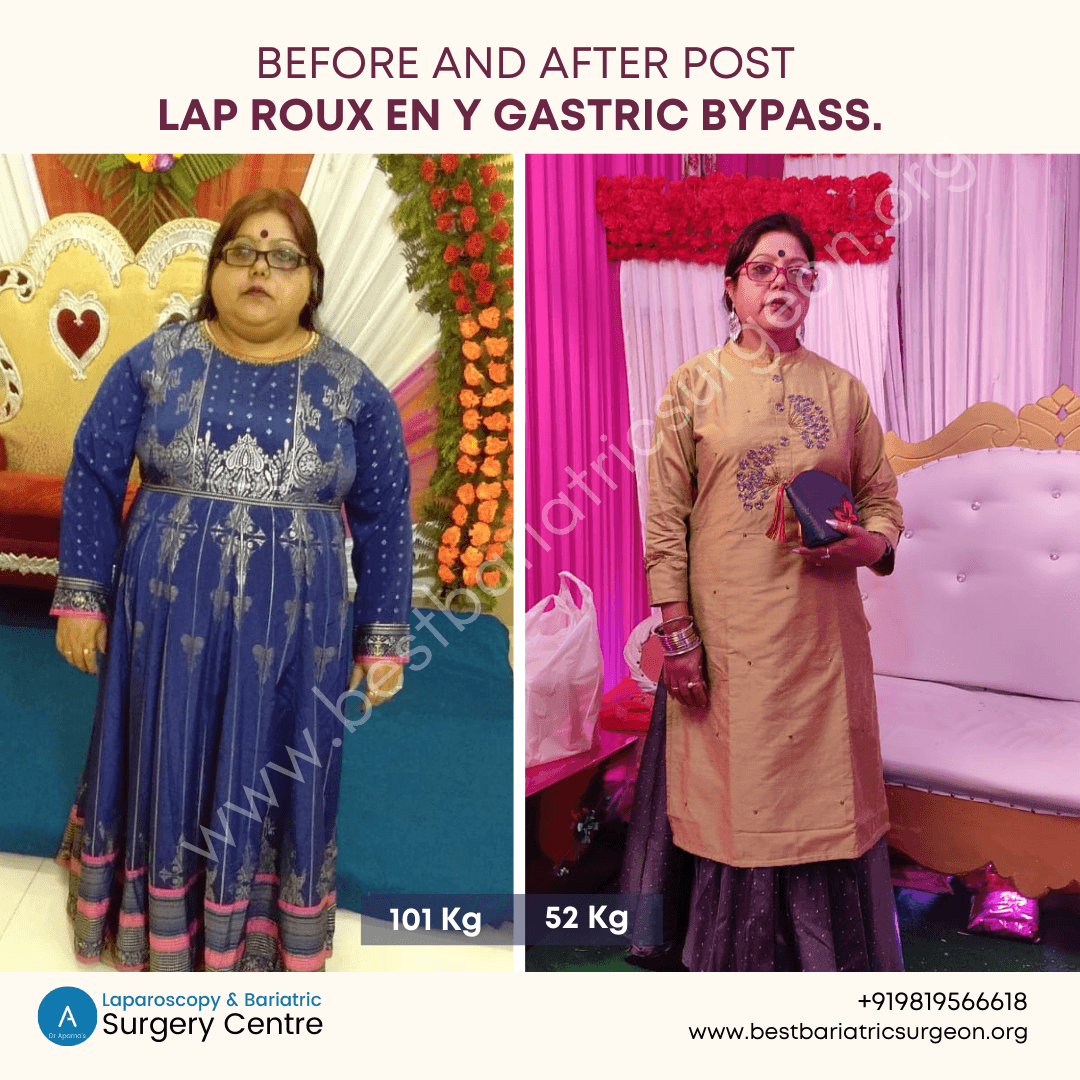
For example, Laparoscopic Sleeve Gastrectomy involves reducing the size of the stomach by creating a sleeve. Roux-en-Y gastric bypass involves creating a smaller stomach pouch and rearranging part of the small intestine.
Some patients may also be evaluated for non-surgical options such as Intra-Gastric Balloon Insertion, which the centre describes as an endoscopic weight-loss approach for selected patients who have struggled with diet and exercise.
Why Long-Term Follow-Up Matters
Bariatric surgery is not simply an operation followed by immediate weight loss. It is part of a broader approach to managing obesity. Patients need to understand the changes involved after surgery and remain engaged with their medical team.
The decision should therefore consider whether you are prepared to follow medical advice and attend recommended follow-up appointments. Long-term commitment is an important part of achieving and maintaining the intended benefits of treatment.
Questions to Ask Before Making a Decision
Before proceeding, patients can discuss questions such as:
- Am I medically eligible for bariatric surgery?
- Which procedure is appropriate for my BMI and health conditions?
- Would a surgical or non-surgical approach be more suitable?
- What medical evaluations will I need before surgery?
- What changes will I need to make after the procedure?
- What kind of follow-up will I require?
- If I have diabetes, could metabolic surgery be considered?
Having these questions answered by a qualified specialist can make the decision more informed and personalised.
Making an Informed Decision About Your Weight-Loss Journey
Eligibility for bariatric surgery depends on more than wanting to lose weight. BMI, excess weight, obesity-related conditions, and overall medical suitability all need to be considered together. If you are exploring Bariatric Surgery in Mumbai, a specialist consultation can help determine whether surgery is appropriate and which treatment option best matches your individual needs. Likewise, consulting an experienced Bariatric surgeon in Mumbai can help you understand the available procedures, expected preparation, and long-term care rather than making a decision based only on online information.
For patients looking for a specialised centre, MetaHeal- Laparoscopy and Bariatric Surgery Center can be considered a strong option to explore for personalised evaluation and bariatric care. The centre is associated with Dr. Aparna Govil Bhasker, a laparoscopic and bariatric surgeon from Mumbai with over 16 years of experience, according to the centre’s website.