GLP-1 drugs have emerged as one of the most preferred options for those fighting obesity and related illnesses. These medicines were invented as an alternative way to treat type 2 diabetes because of the drugs’ capabilities to regulate blood sugar levels and control appetite. However, as with all other types of drugs, these medicines are not free from possible side effects. Understanding GLP-1 medication side effects is essential before considering them as part of your weight management journey.
How GLP-1 Medications Work
GLP-1 (glucagon-like peptide-1) receptor agonists are drugs that work similarly to a naturally occurring hormone in your body responsible for regulating glucose levels and satiety. They slow down gastric emptying, increase satiety, and suppress hunger signals from your brain.
The commonly prescribed GLP-1 drugs include semaglutide and liraglutide. Besides inducing considerable weight loss, their impact on the digestive system and metabolism may cause some adverse reactions.
Common Side Effects You May Experience
Side effects in most patients receiving GLP-1 drugs are usually mild and last only temporarily for a few weeks after initiating therapy.
Digestive Issues
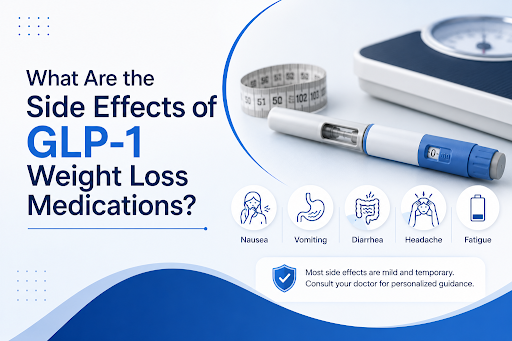
The most common side effects caused by GLP-1 drugs are those affecting the gastrointestinal tract:
- Nausea
- Vomiting
- Diarrhea
- Constipation
- Bloating
They arise due to the slowing down of food transit from the stomach into the small intestine. Reducing meal size and fat intake may lessen symptoms.
Loss of Appetite
Although appetite suppression is desired to promote weight loss, it may result in:
- Skipping meals unintentionally
- Low energy levels
- Nutritional deficiencies, if not monitored properly
A proper diet becomes essential during GLP-1 treatment.
Less Common but Notable Side Effects
Some individuals may experience side effects that are less common but still important to be aware of.
Fatigue and Weakness
Sudden calorie reduction can result in:
- Tiredness
- Dizziness
- General weakness
It may be temporary, but it is best to monitor, especially if you have underlying conditions.
Headaches
Changes in blood sugar levels and inadequate intake of food can sometimes cause headaches. Some ways to prevent these headaches include drinking enough water and having a consistent meal plan.
Serious Risks That Require Attention
Although uncommon, some adverse effects may need prompt medical intervention.
Pancreatitis
Inflammation of the pancreas is a severe complication related to GLP-1 medicines. The following are signs of pancreatitis:
- Intense abdominal pain radiating to the back
- Nausea and vomiting
- Fever
Should you experience any of the above, seek immediate medical attention.
Gallbladder Issues
Rapid weight loss increases the likelihood of developing gallstones. Here are signs to consider:
- Intense abdominal pain
- Abdominal pain after consuming fatty foods
- Jaundice (yellowing of skin or eyes)
Kidney Concerns
Dehydration resulting from persistent vomiting and diarrhea can adversely impact the kidneys’ functioning. It is important to stay adequately hydrated when taking these drugs.
Additionally, these drugs are to be avoided in patients with a history of thyroid cancer, either themselves or in the family. They must also be avoided by women who are planning a pregnancy.
Who Should Be More Cautious?
Not everybody is eligible for GLP-1 medications. Some people must handle them cautiously or even refrain from taking them altogether.
- People with a history of pancreatitis
- Those with severe gastrointestinal disorders
- Individuals with h/o thyroid cancers or MEN syndrome
- Pregnant or breastfeeding women
Seeking advice from your doctor is vital before initiating therapy.
Balancing Benefits and Risks
In the evaluation process for treatment options, information regarding the GLP-1 medication side effects is crucial in setting realistic expectations. The use of GLP-1 medications can aid in weight loss, especially for individuals who have been struggling with traditional methods like healthy eating and physical activity.
However, these are not instant solutions. Their effectiveness in the long run requires their combination with the following:
- Healthy eating habits
- Regular physical activity
- Ongoing medical supervision
The weight loss from GLP-1 drugs must be slow and sustainable rather than quick and erratic.
Practical Tips to Manage Side Effects
For anyone who might be thinking about or is currently using GLP-1 drugs, some helpful guidelines can reduce any discomfort:
Adjust Your Eating Habits
- Consume smaller portions at different intervals
- Steer clear of oily and fatty foods
- Incorporate dietary fibers gradually
Stay Hydrated
- Make sure you drink adequate amounts of water daily
- Replace fluids in case of vomiting or diarrhea
Follow Medical Guidance
- Begin with small doses and increase gradually under medical supervision
- Visit your doctor regularly
- Report any unusual symptoms immediately
With all these in mind, you stand a great chance of having a good experience with this drug.
When to Consider Alternative Options
For some individuals, there are times when the side effects can overshadow the advantages of the drugs. As such, people may consider other approaches such as weight loss programs and surgery options.
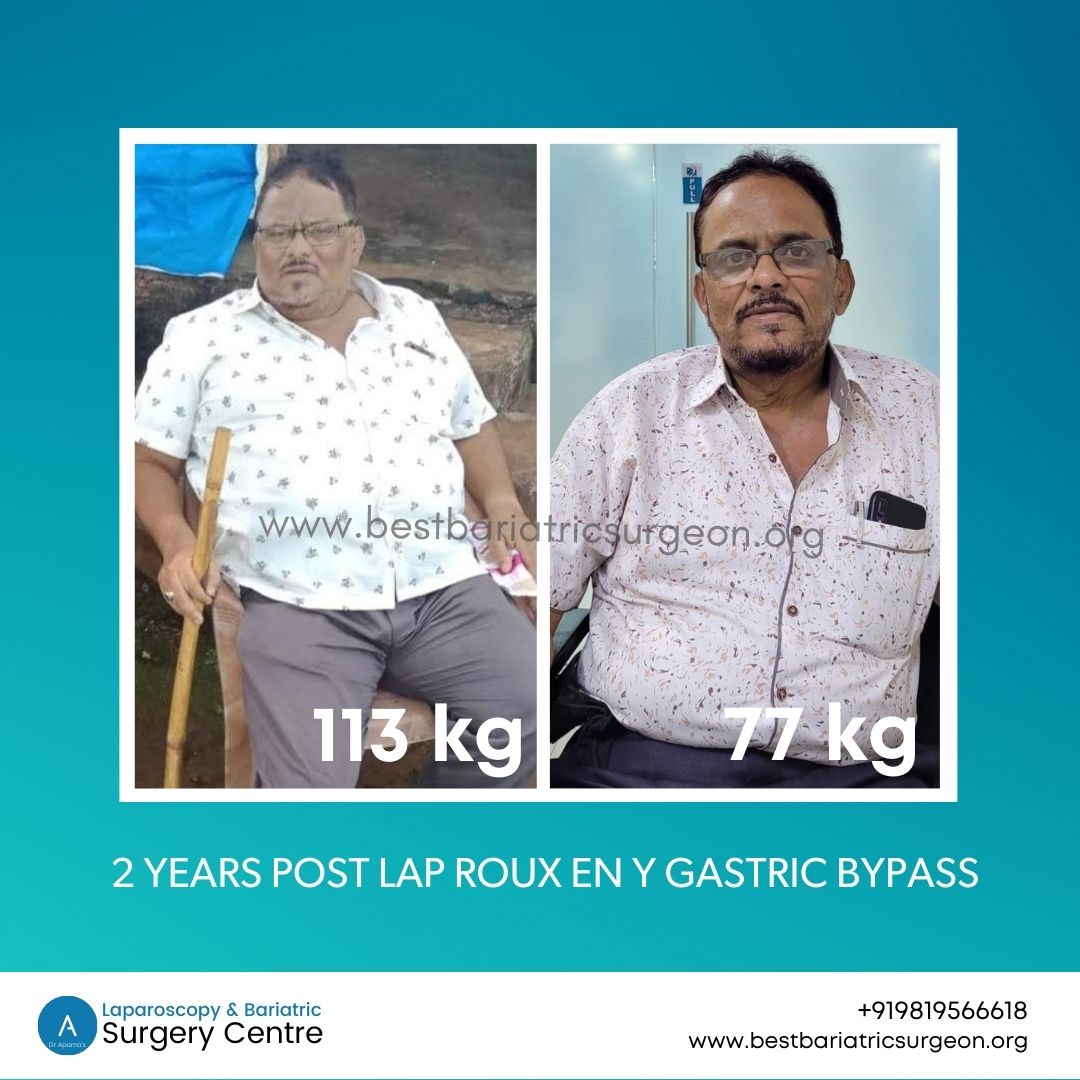
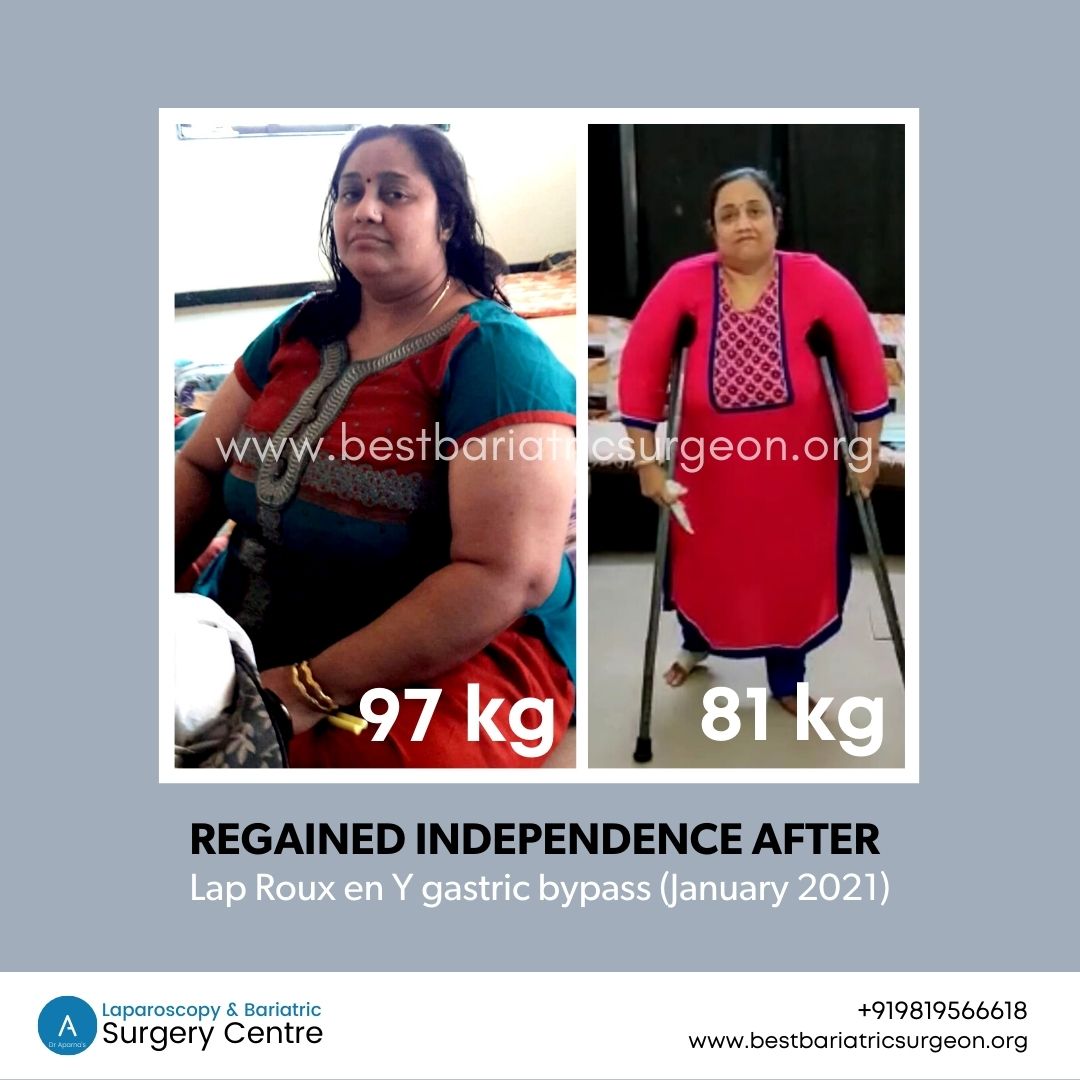
Bariatric surgery is an example of such options since it provides a lifelong remedy to the problem of being overweight. Moreover, such procedures may prove more helpful than other options among people who suffer from obesity or related complications. These options are typically recommended after a thorough evaluation of medical history and lifestyle factors.
A Smarter Way to Approach Weight Loss Decisions
Selecting the most appropriate weight loss solution requires one to consider more than the popular weight loss methods. The knowledge of GLP-1 medications’ side effects will ensure that one makes well-informed choices based on their health goals.
Although GLP-1 medications can prove useful in helping one lose weight, they are even more effective when used in combination with other medical weight loss options. Patients interested in advanced options such as bariatric surgery can get guidance from experienced medical professionals.
For those struggling to determine the ideal solution for their condition, obtaining expert medical advice would be an excellent initial approach. MetaHeal-Laparoscopy & Bariatric Surgery Center provides a wide range of medical services aimed at helping people make safe weight loss choices.
With the dynamic nature of healthcare, incorporating advanced weight loss solutions, obesity management, bariatric surgery, and weight loss surgery, among others, can improve outcomes when facilitated by medical experts.