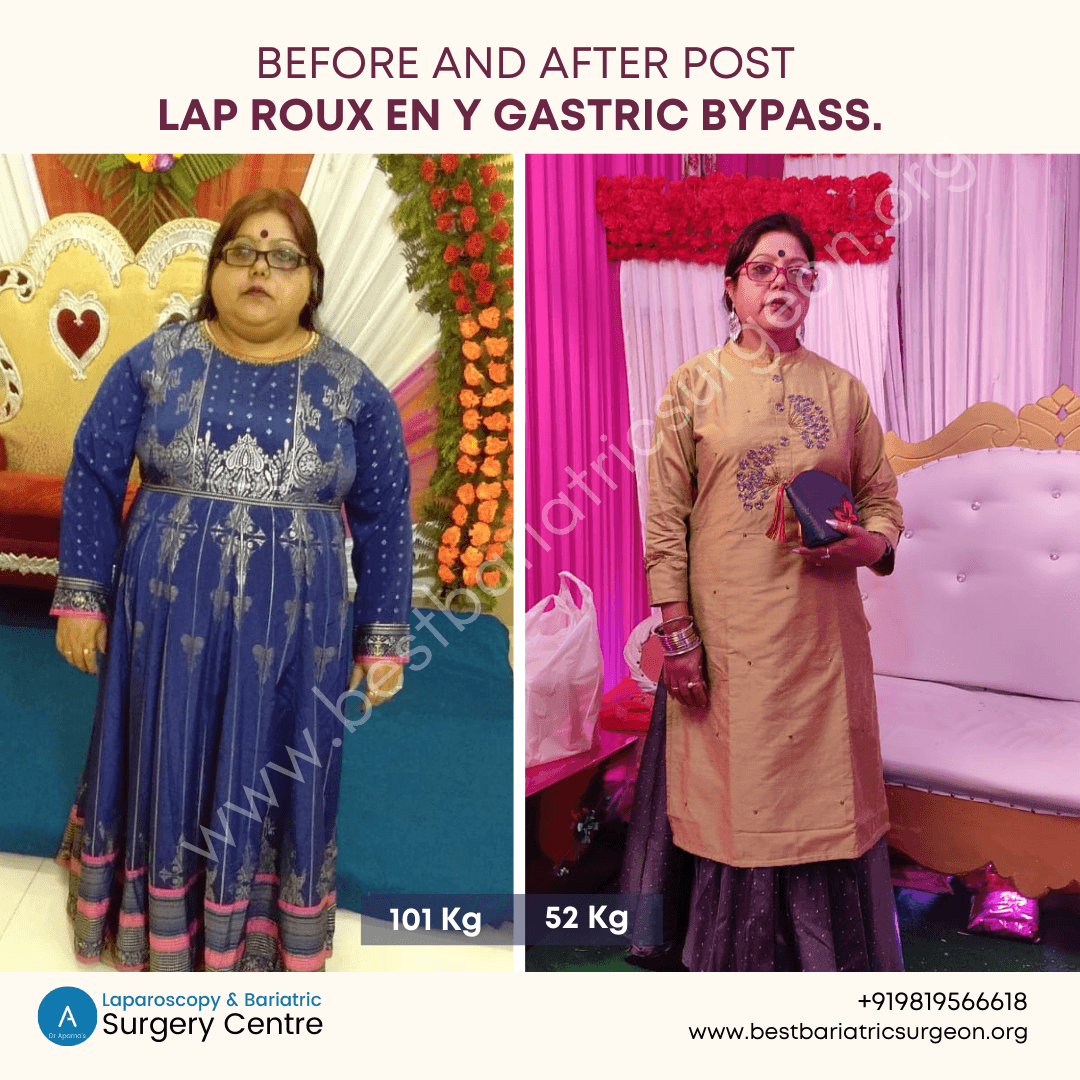
For many people, losing weight is a very personal issue. However, for those dealing with the problem of obesity, simply making lifestyle changes may not be the solution. This is especially true in a city like Mumbai, where people are increasingly opting for the more advanced medical options to safely achieve weight loss. This has given rise to the discussion of medical weight loss programs and the surgical options provided by a bariatric surgeon in Mumbai.
Both methods aim for a healthier body weight, which reduces the risks that come with obesity, but they are doing so in a very different way. Understanding the difference between the two is the key to making the right choice for you.
Understanding Medical Weight Loss :
Medical weight loss is a non-surgical method of losing weight under the guidance of medical professionals. It is a personalized approach that generally includes diet, exercise, behavioral changes, and in some instances, medication.
Many individuals are seeking weight loss treatment in Mumbai under medical guidance.
A medical weight loss process generally includes:
- Comprehensive health evaluation
- Personalized diet plans designed by nutrition experts
- Exercise guidance suitable for the patient’s fitness level
- Prescription medications that help regulate appetite or metabolism
- Continuous monitoring and progress tracking
- Guidance about weight loss medications and bariatric surgery where needed
Who Is It Best For?
Medical weight loss is generally recommended for individuals who:
- Have mild to moderate obesity (BMI more than 27 with associated co-morbidities and BMI more than 30 without any co-morbidities)
- Prefer a gradual, non-invasive approach
- Do not meet the criteria for surgery, or are medically unfit for surgery
- Want to try structured lifestyle interventions before considering surgery
This approach is best suited for those who are willing to adopt lifestyle changes.
What Is Bariatric Surgery?
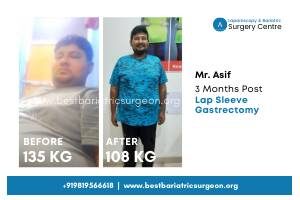
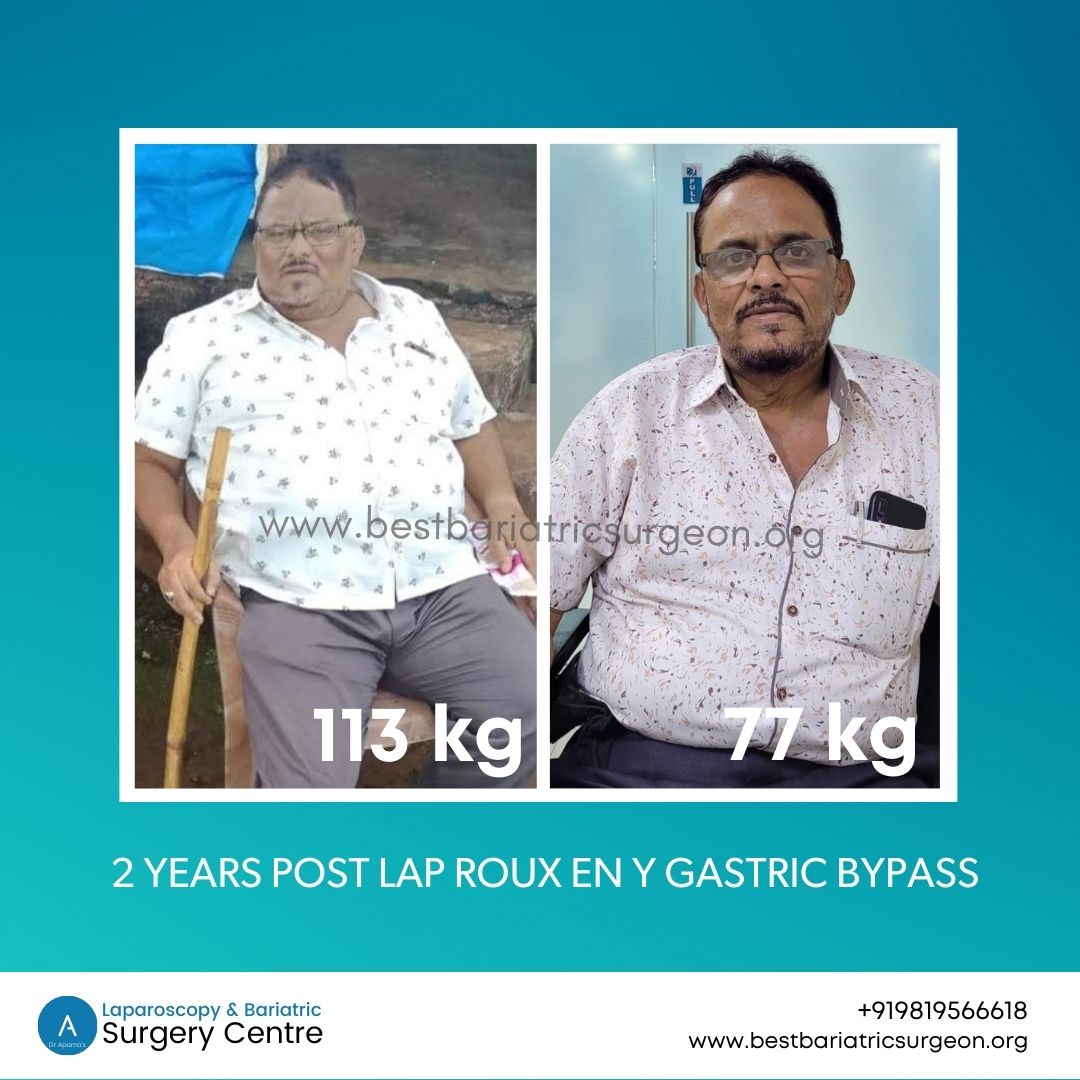
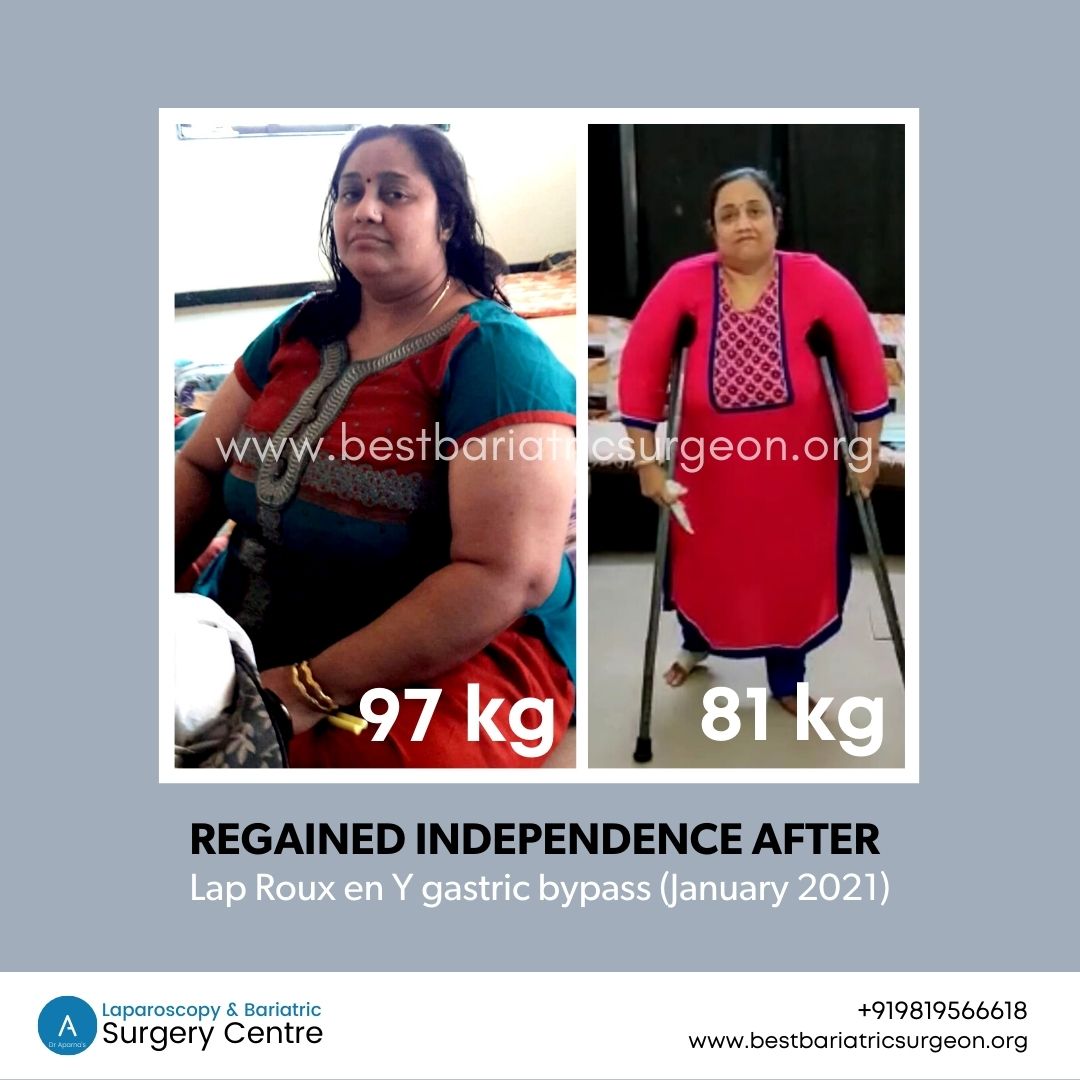
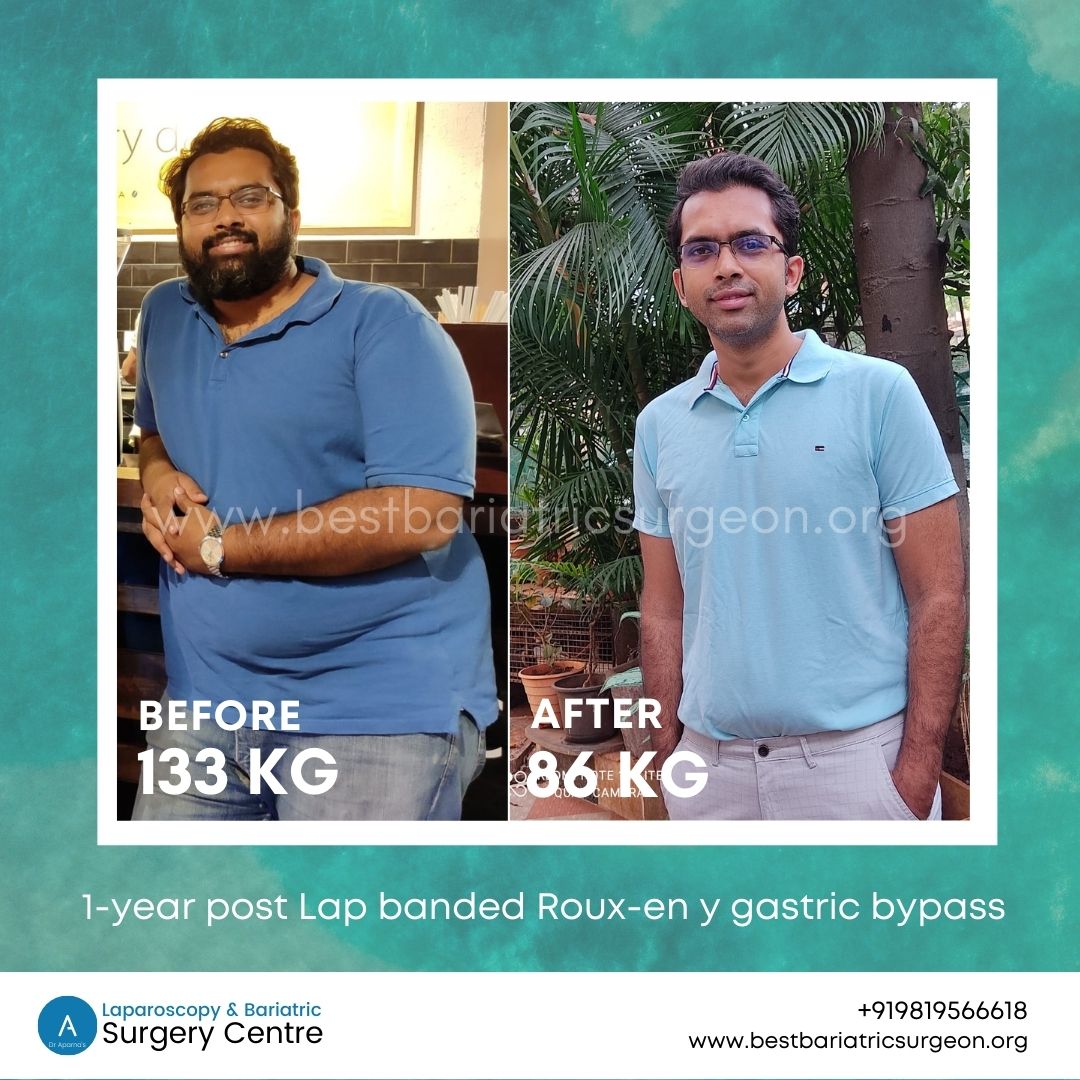
Bariatric surgery is a surgical procedure that is designed to help individuals suffering from obesity lose weight by interfering with the body’s digestive system. This procedure has shown great results for those suffering from obesity by shrinking the stomach or interfering with the body’s ability to digest food.
Some of the most common bariatric surgical procedures include the gastric sleeve surgery, gastric bypass, and other obesity-related surgical procedures. In most cases, these surgical procedures are laparoscopic, which means that the recovery period is short and complications are few.
Who Should Consider Bariatric Surgery?
In most cases, doctors recommend bariatric surgery for individuals suffering from obesity if they:
- Have a BMI that meets the requirements for bariatric surgery (BMI more than 30 with associated co-morbidities and BMI more than 35 without any co-morbidities)
- Are suffering from obesity that cannot be controlled by dieting or exercise
- Experience obesity-related conditions such as diabetes, hypertension, or sleep apnea
- Need a boost in their metabolism or a reduction in body weight
In such cases, surgery can dramatically improve health outcomes and quality of life.
Key Differences Between Medical Weight Loss and Bariatric Surgery
These two methods of losing weight have different approaches, speeds, and outcomes.
1. Treatment Method
Medical Weight Loss
- Not a surgical process
- Involves lifestyle changes and medication
- Requires commitment from the patient
- The chances of weight regain after stopping the medications
Bariatric Surgery
- Involves a surgical process
- Involves changes to the digestive system
- Offers faster and greater weight loss
- More durable in the long term
2. Weight Loss Results
Medical Weight Loss programs result in about 15 to 20% of total body weight loss over time, whereas Bariatric Surgery offers a 30 to 40% total body weight loss within a year of undergoing this process.
Patients consulting experienced bariatric surgeons in Mumbai often consider surgery when other methods have failed or when obesity is causing serious health problems.
3. Health Benefits
Medical weight loss programs and bariatric surgery programs offer various health benefits, but Bariatric Surgery offers faster relief from various health problems, including:
- Type 2 Diabetes
- Hypertension
- Sleep Apnea
- Joint Pain
- Metabolic Syndrome
For some individuals, Bariatric Surgery is a solution that can cure some of these problems for good.
When Do Doctors Recommend Surgery Over Medical Weight Loss?
Though traditional medical weight loss is effective for many, there are instances where a doctor may consider bariatric surgery as an effective option for weight loss. This is normally based on a person’s BMI, as well as their other medical conditions, and how they have performed with previous weight loss attempts. For instance, a person who has struggled with obesity for several years with minimal weight loss results, even with certain medications and specific diet plans, may experience more positive results with surgery.
In addition, people who are struggling with conditions such as type 2 diabetes, sleep apnea, and joint pain may experience more positive results with bariatric surgery. A medical evaluation is key to determining the best treatment for each patient.
Advantages of Medical Weight Loss Programs :
For many people, the journey to a healthier weight may begin with a medical weight loss program.
The benefits of such programs are:
- No surgical risk
- Flexibility of the procedure
- Nutritional guidance
- Progress
- Development of habits
The outcome may vary on the basis of the individual’s metabolism.
Advantages of Bariatric Surgery :
For some people dealing with severe obesity issues, bariatric surgery can be a miracle solution.
The benefits of bariatric surgery are:
- Significant and faster weight loss
- Long-term improvement of metabolic health
- Reduced risk of diseases
- Increased mobility
- Improvement of the quality of life
When performed by skilled specialists, bariatric procedures are considered safe and effective.
Factors to Consider Before Choosing :
The decision between medical weight loss and surgery is not just based on losing weight quickly. There are a few other relevant considerations.
Health Status
For people who are significantly overweight and also have other health problems, surgery could be the best option.
Previous Weight Loss Attempts
For people who have not been able to lose weight through several attempts at dieting and exercise, surgery could be a better option in the future.
Lifestyle Readiness
Both methods for weight reduction require a change in lifestyle, especially in terms of diet and exercise.
Professional Guidance
Consulting professionals who know both methods is a must for a safe and efficient weight reduction program.
A Path Toward Sustainable Weight Transformation :
The decision to lose weight should be backed by professional advice and a proper assessment and expectation. Regardless of the choice you make, whether it is a medically supervised diet or one such procedure as surgery, the result remains the same: continuous health improvements and a healthier and better lifestyle.
For those seeking experienced bariatric surgeons in Mumbai, MetaHeal- Laparoscopy and Bariatric Surgery Center is considered a reliable option. This team focuses on delivering advanced treatments like gastric sleeve, gastric bypass, and comprehensive obesity care, while employing advanced medical techniques, to help individuals seek a weight management program that best suits their requirements.