


Open Hernia Repair
In open hernia repair, the surgeon makes an incision over the affected area, accesses the hernia, returns the protruding tissue to its appropriate position, and repairs the weakened muscle or tissue.
A surgical procedure designed to repair a weakened area of the abdominal wall, relieve symptoms, and reduce the risk of complications and recurrence.
Understanding Hernia Surgery
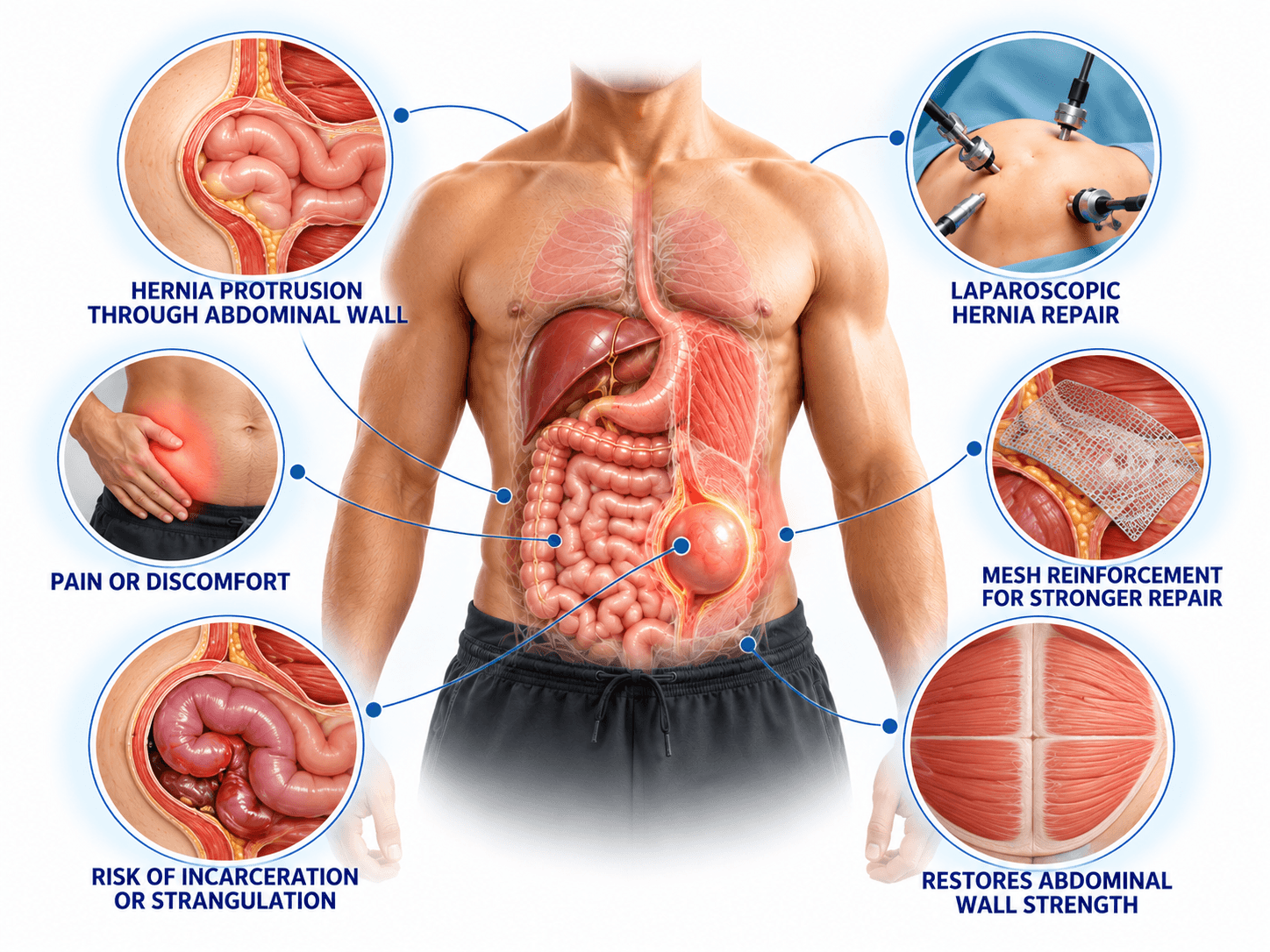
A hernia occurs when an organ or tissue pushes through a weakened area of the surrounding muscle or abdominal wall. Hernias can affect both children and adults and may cause a visible bulge, pain, swelling, or discomfort.
Hernias may be uncomplicated, where the protruding tissue is not trapped; incarcerated, where the tissue becomes trapped and cannot be easily pushed back; or strangulated, where the blood supply to the trapped tissue is compromised and urgent medical treatment is required.
Most uncomplicated hernias are recommended for surgical repair to help prevent complications. Surgery may also be required when a hernia becomes larger, painful, incarcerated, or strangulated.
During hernia repair, the protruding tissue is returned to its appropriate position and the weakened area is repaired. Mesh may be used where appropriate to reinforce the repair. The choice of open or laparoscopic surgery depends on the type, size, and location of the hernia and the patient's overall health.
How Hernia Surgery Works
Hernia surgery focuses on returning the protruding tissue to its appropriate position and repairing the weakened area through which the hernia has developed.
In open hernia repair, the surgeon makes an incision over the affected area, accesses the hernia, returns the protruding tissue to its appropriate position, and repairs the weakened muscle or tissue.

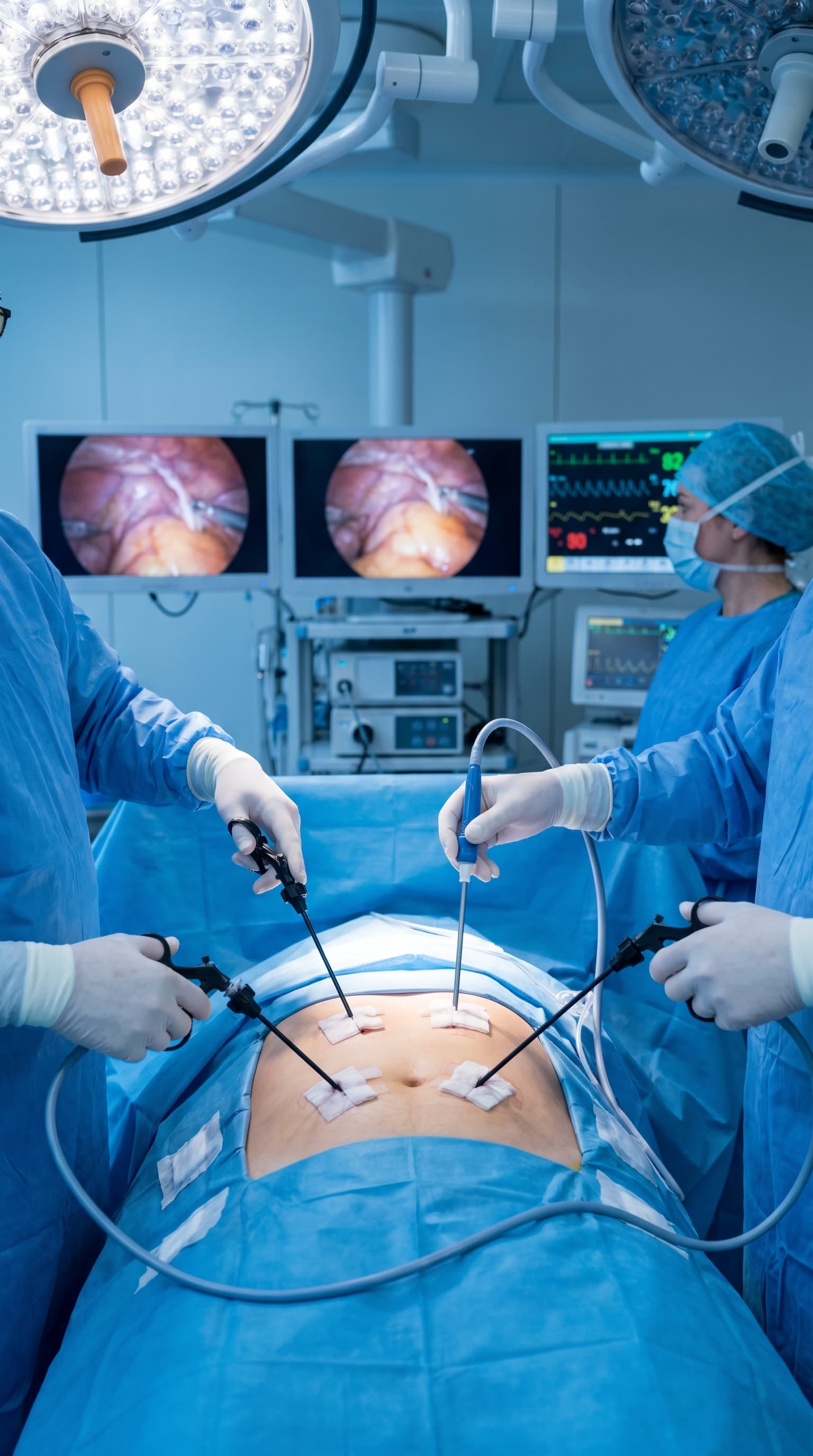
Laparoscopic hernia repair is performed through small incisions using a laparoscope and specialised surgical instruments. The abdomen may be inflated with carbon dioxide to provide adequate space and visibility.

A surgical mesh may be placed where appropriate to reinforce the weakened area and provide additional support to the repaired abdominal wall.

The surgical approach is selected after considering the type, size, and location of the hernia, previous surgical history, overall health, and other individual factors.
Who Should Consider Hernia Surgery

Have a hernia that causes pain, discomfort, or difficulty with daily activities.

Have a hernia that is increasing in size.

Have a hernia that becomes difficult to push back into its normal position.

Have an incarcerated hernia where the protruding tissue becomes trapped.
Have a strangulated hernia requiring urgent surgical treatment.
Have been advised by your surgeon that surgical repair is appropriate based on your condition.
Are medically suitable for the recommended surgical approach.
Benefits of Hernia Surgery
Repairs the weakened area responsible for the hernia
Helps relieve pain and discomfort associated with symptomatic hernias
Helps prevent complications associated with untreated hernias
Laparoscopic repair involves smaller surgical incisions
May result in less postoperative discomfort in appropriately selected patients
May support faster recovery and an earlier return to normal activities
Mesh reinforcement can provide additional support and may reduce the risk of recurrence in suitable cases
Surgical approach can be tailored according to the type and location of the hernia

Choosing hernia surgery in Mumbai provides access to individualized surgical planning based on the nature of your hernia and overall health.
Possible Risks & Side Effects

Temporary pain, soreness, swelling, or bruising may occur around the surgical site.

A temporary collection of fluid may develop in the area of the repaired hernia.

An infection may develop at the surgical incision or wound site.

Nerve irritation or injury may cause temporary or persistent numbness, tingling, or pain.

Blood clots may develop due to reduced mobility around the time of surgery.

Persistent or chronic pain may occur, particularly after some types of groin hernia repair.
The hernia may recur after surgery in some patients.
*Careful surgical planning, appropriate surgical technique, postoperative care, and follow-up help support safe recovery and reduce the risk of complications.
Our Approach to Hernia Surgery
01
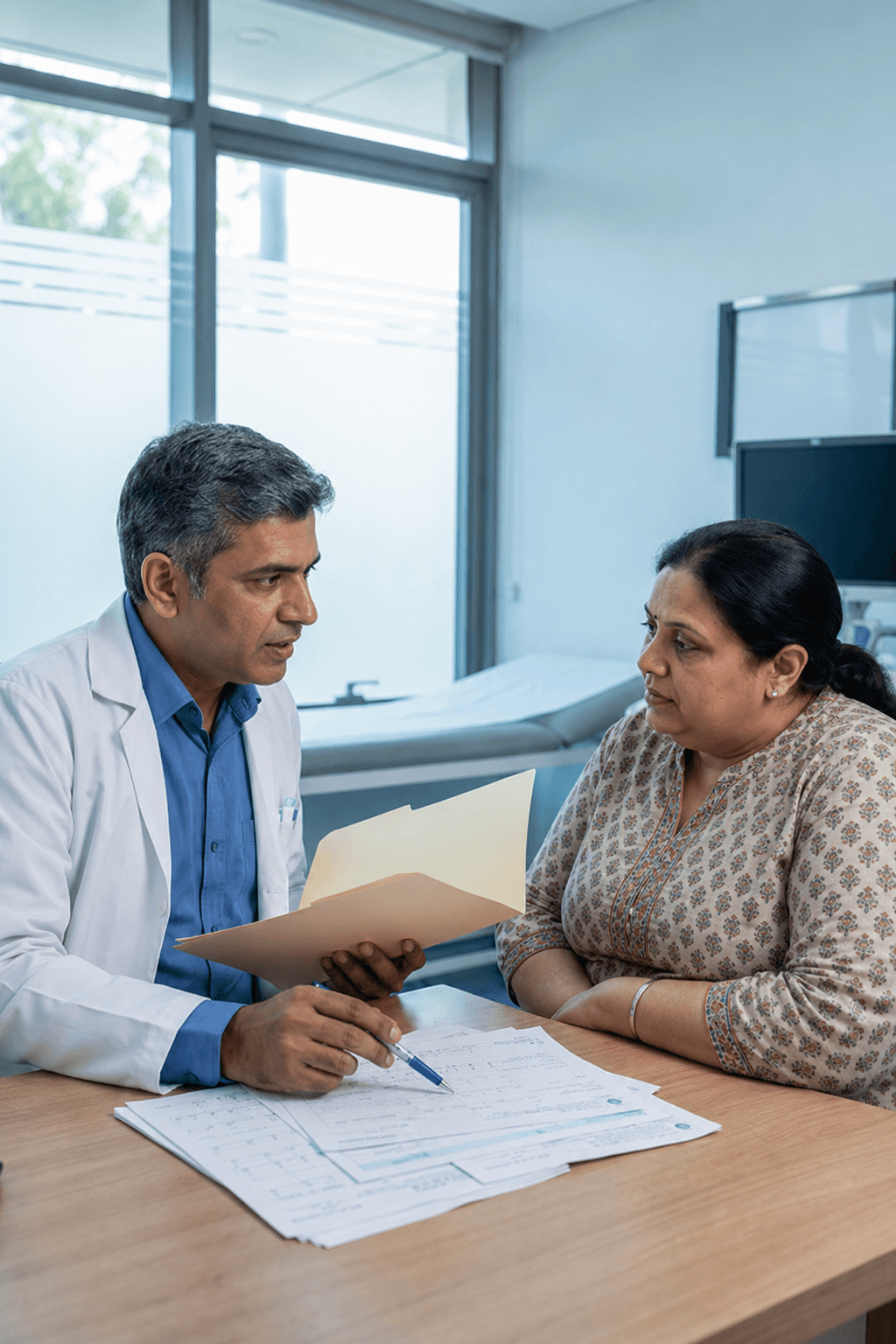
A detailed assessment of your hernia, symptoms, medical history, previous surgeries, and overall health to determine the most appropriate treatment approach.

02
An individualized surgical plan based on the type, size, location, and complexity of the hernia and your specific health requirements.
03
When appropriate, laparoscopic hernia repair is performed using minimally invasive techniques designed to support precision, smaller incisions, and recovery.

04
Clear guidance on wound care, pain management, physical activity, and other aspects of recovery following hernia surgery.

05
Follow-up consultations help monitor healing, identify potential complications, and assess recovery after hernia repair.
Frequently Asked Questions
Hernia surgery is a procedure used to repair a weakened area through which an organ or tissue has protruded. The repair may be performed using an open or laparoscopic approach depending on the individual hernia.
Laparoscopic repair may offer benefits such as smaller incisions, less postoperative discomfort in some patients, and faster recovery. However, the appropriate technique depends on the type, size, and location of the hernia and the patient's overall health.
Mesh is commonly used to reinforce the repaired area in many types of hernia surgery, but its use depends on the type of hernia, surgical technique, and individual patient requirements.
Recovery varies depending on the type of hernia, surgical approach, overall health, and individual healing. Your surgeon will advise when you can safely return to work, exercise, and other normal activities.
Yes. Hernia recurrence is possible after repair. The risk depends on factors such as the type of hernia, surgical technique, patient-related factors, and postoperative care.

Hernia Care Insights
Consult with an experienced specialist and take the first step toward better health, improved quality of life, and long-term wellness through advanced bariatric, laparoscopic, and robotic surgical care in Mumbai.




3K+ Satisfied Patients