


Diagnostic Evaluation
Blood tests including CBC and liver function tests may be performed along with abdominal ultrasound to identify gallstones and assess the gallbladder.
A surgical procedure designed to remove the gallbladder, relieve symptoms associated with gallstone disease, and reduce the risk of related complications.
Understanding Gallbladder Removal Surgery
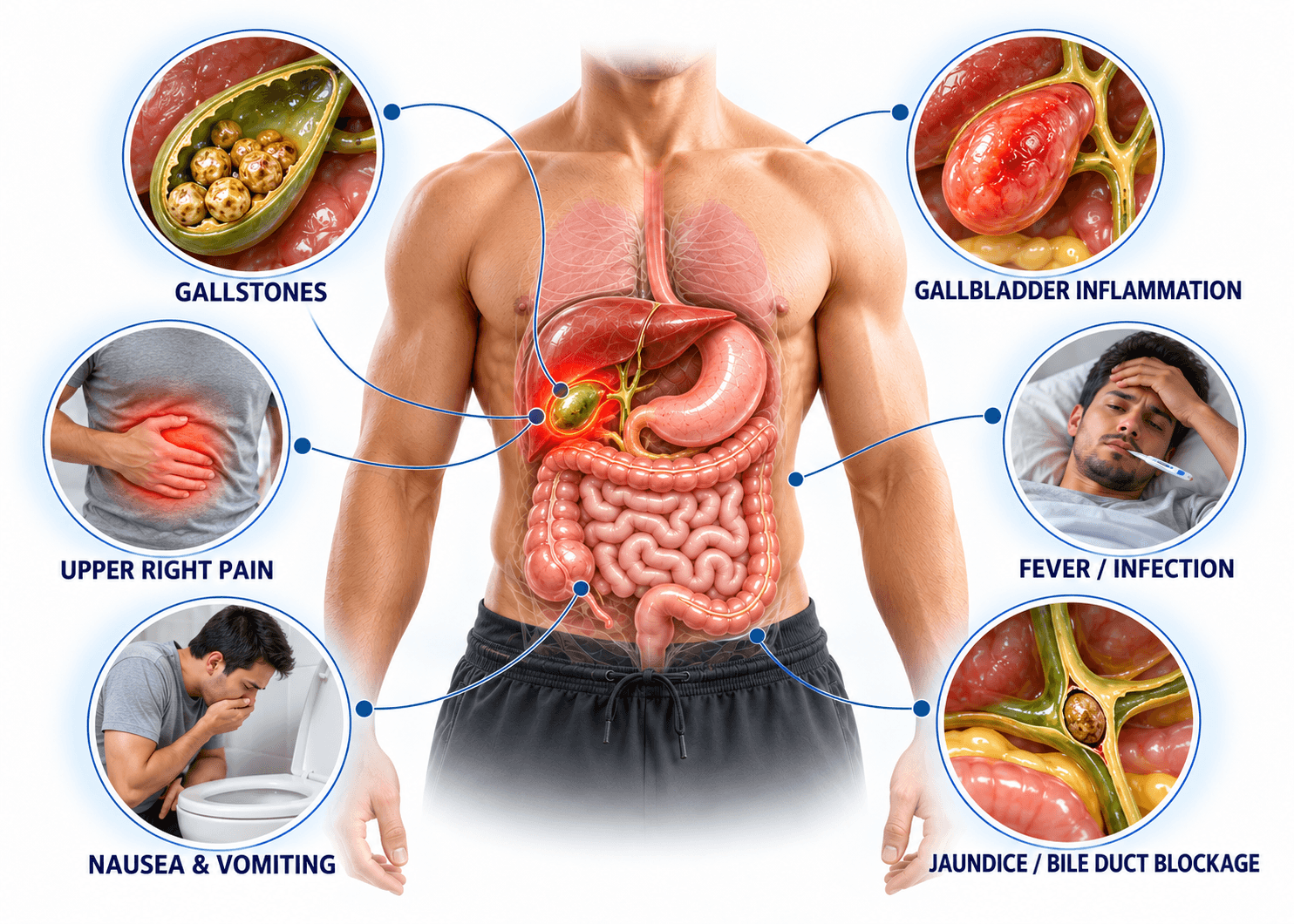
The gallbladder is a small organ that stores bile produced by the liver. Gallstones can develop when substances within bile, including cholesterol, bile pigments, and calcium, form deposits inside the gallbladder. Gallstones may be single or multiple and are often mixed in composition.
Gallbladder removal may be recommended for acute or chronic cholecystitis, symptomatic or complicated gallstone disease, gallbladder inflammation without stones, gallbladder polyps, selected tumours, gallbladder trauma, obstructive conditions such as mucocele or empyema, and other conditions requiring surgical treatment.
Gallstones can also lead to complications such as acute cholecystitis, cholangitis, blockage of the common bile duct causing obstructive jaundice, acute pancreatitis, and, in some cases, gallstone ileus.
Depending on the gallbladder condition and the patient's overall health, removal may be performed through a minimally invasive laparoscopic approach. Treatment planning is personalized according to symptoms, diagnostic findings, medical history, and clinical requirements.
How Gallbladder Removal Surgery Works
Before surgery, your medical history, symptoms, physical examination, and diagnostic findings are reviewed to determine the most appropriate treatment approach.
Blood tests including CBC and liver function tests may be performed along with abdominal ultrasound to identify gallstones and assess the gallbladder.

HIDA scan, MRCP, ERCP, or percutaneous transhepatic cholangiography may be recommended in selected cases to assess gallbladder function or evaluate the bile ducts.

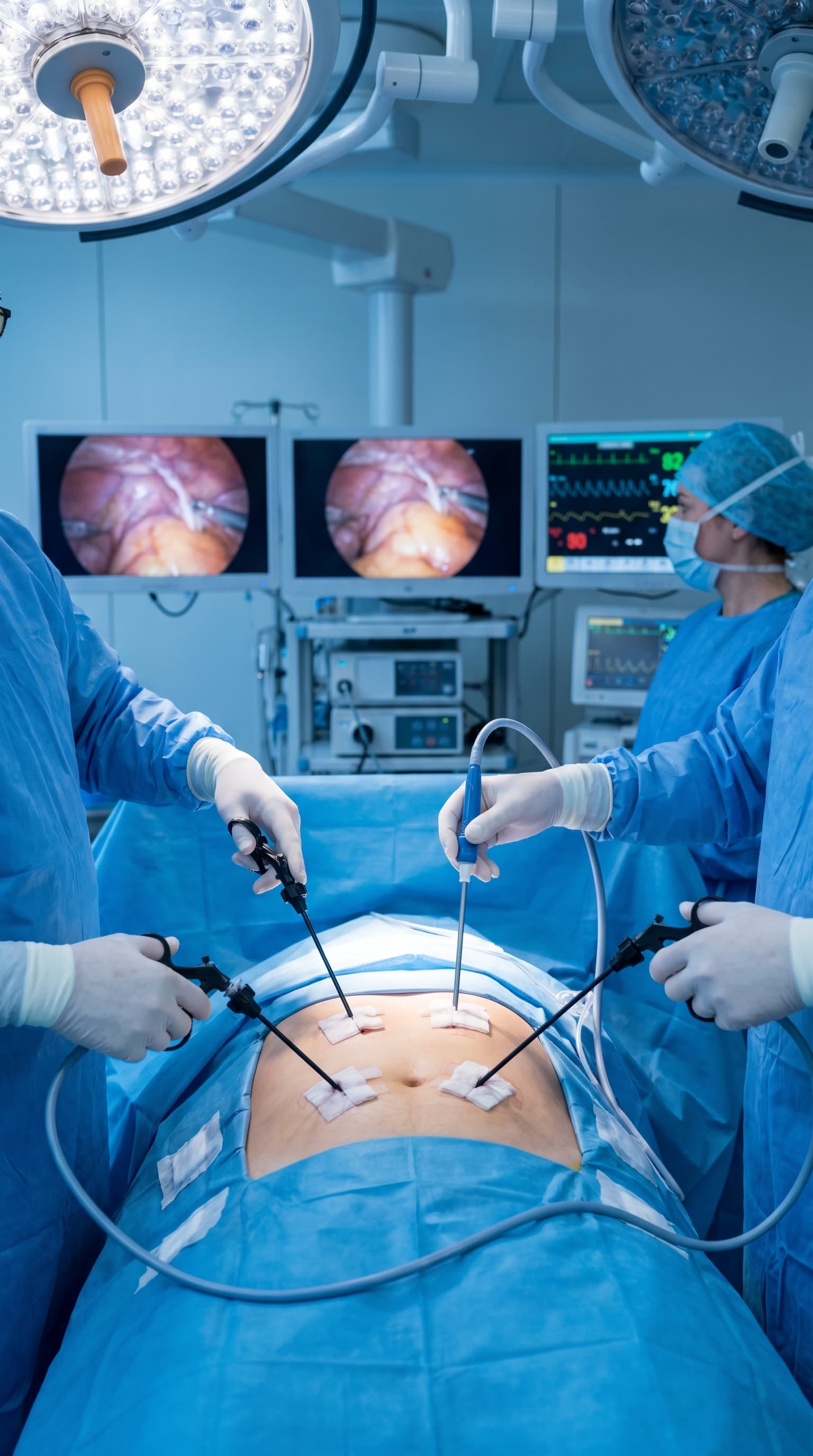
Small abdominal incisions are used to insert a laparoscope and specialised surgical instruments. The cystic duct and artery are identified, clipped, and divided.

The gallbladder is carefully separated from the liver and removed. The surgical approach and timing depend on the patient's condition and clinical findings.
Who Should Consider Gallbladder Removal Surgery

Have symptomatic gallstone disease.

Experience recurrent or persistent upper abdominal pain.

Have acute or chronic cholecystitis.

Have gallstones causing complications.
Have a gallbladder polyp requiring surgical assessment.
Have an obstructive gallbladder condition such as mucocele or empyema.
Have another gallbladder condition requiring surgical treatment.
Benefits of Gallbladder Removal Surgery
Removes the gallbladder responsible for symptomatic gallstone disease
Helps address complications associated with gallbladder stones
Laparoscopic surgery involves small abdominal incisions
May result in less postoperative pain and discomfort
Allows early mobilisation after surgery
May allow a shorter hospital stay in appropriately selected patients
Provides magnified visualisation of the surgical field
May support an earlier return to normal activities and work
A single-incision approach may provide an additional cosmetic benefit in selected patients

Choosing gallbladder removal surgery in Mumbai provides access to individualized surgical planning based on your gallbladder condition, diagnostic findings, and overall health.
Possible Risks & Side Effects

Temporary pain or postoperative discomfort may occur during recovery.

Temporary nausea may occur following anaesthesia.

Bleeding or infection at the surgical incision sites may occur.

Bile leakage may occur following gallbladder removal surgery.

There is a risk of injury to nearby organs or structures during surgery.

Pneumonia or other respiratory complications may occur in some patients.
Blood clot formation is a possible complication associated with surgery.
In selected cases, it may be necessary to convert from laparoscopic surgery to an open surgical approach.
*The risk of complications may vary depending on the severity of gallbladder inflammation, the presence of complications, previous abdominal surgery, and the patient's overall health. Careful evaluation, appropriate surgical planning, postoperative monitoring, and follow-up help support safe recovery.
Our Approach to Gallbladder Removal Surgery

01
A detailed assessment of your symptoms, medical history, physical examination, and diagnostic investigations to determine whether gallbladder removal is appropriate.

02
An individualized surgical plan based on your gallbladder condition, presence of stones or inflammation, diagnostic findings, and overall health.
03
When appropriate, laparoscopic cholecystectomy is performed using minimally invasive techniques designed to support precise surgical treatment and recovery.

04
Clear guidance on diet, pain management, wound care, physical activity, and other aspects of recovery following gallbladder surgery.

05
Follow-up consultations help monitor healing, assess recovery, and address any symptoms or concerns after surgery.
Frequently Asked Questions
Gallbladder removal may be recommended for symptomatic gallstones, acute or chronic cholecystitis, or other gallbladder conditions and complications where surgery is considered appropriate.
Small abdominal incisions are used to introduce a laparoscope and specialised instruments. The cystic duct and artery are identified, clipped, and divided, after which the gallbladder is separated from the liver and removed.
Recovery varies between patients. Many patients can resume light daily activities relatively soon after surgery and may return to work in about a week, depending on their recovery and type of work. Your surgeon will advise when you can resume strenuous activities and heavy lifting.
Patients are generally advised to start with liquids and light meals according to their tolerance. It may be recommended to minimise oily and spicy foods during the initial recovery period. Specific dietary advice will depend on your individual recovery.
The timing of surgery depends on the severity of inflammation, the patient's clinical condition, and the treating surgeon's assessment. Surgery may be performed during the acute phase in selected patients, while others may require initial medical management followed by planned surgery.

Gallbladder Care Insights
Consult with an experienced specialist and take the first step toward better health, improved quality of life, and long-term wellness through advanced bariatric, laparoscopic, and robotic surgical care in Mumbai.




3K+ Satisfied Patients