


Reduced Food Intake
A smaller stomach limits food intake. Patients feel full sooner after eating smaller meals.
An advanced bariatric procedure designed to support significant weight loss while improving obesity-related metabolic conditions.
Understanding Laparoscopic Sleeve Gastrectomy with Duodeno-Jejunostomy Surgery
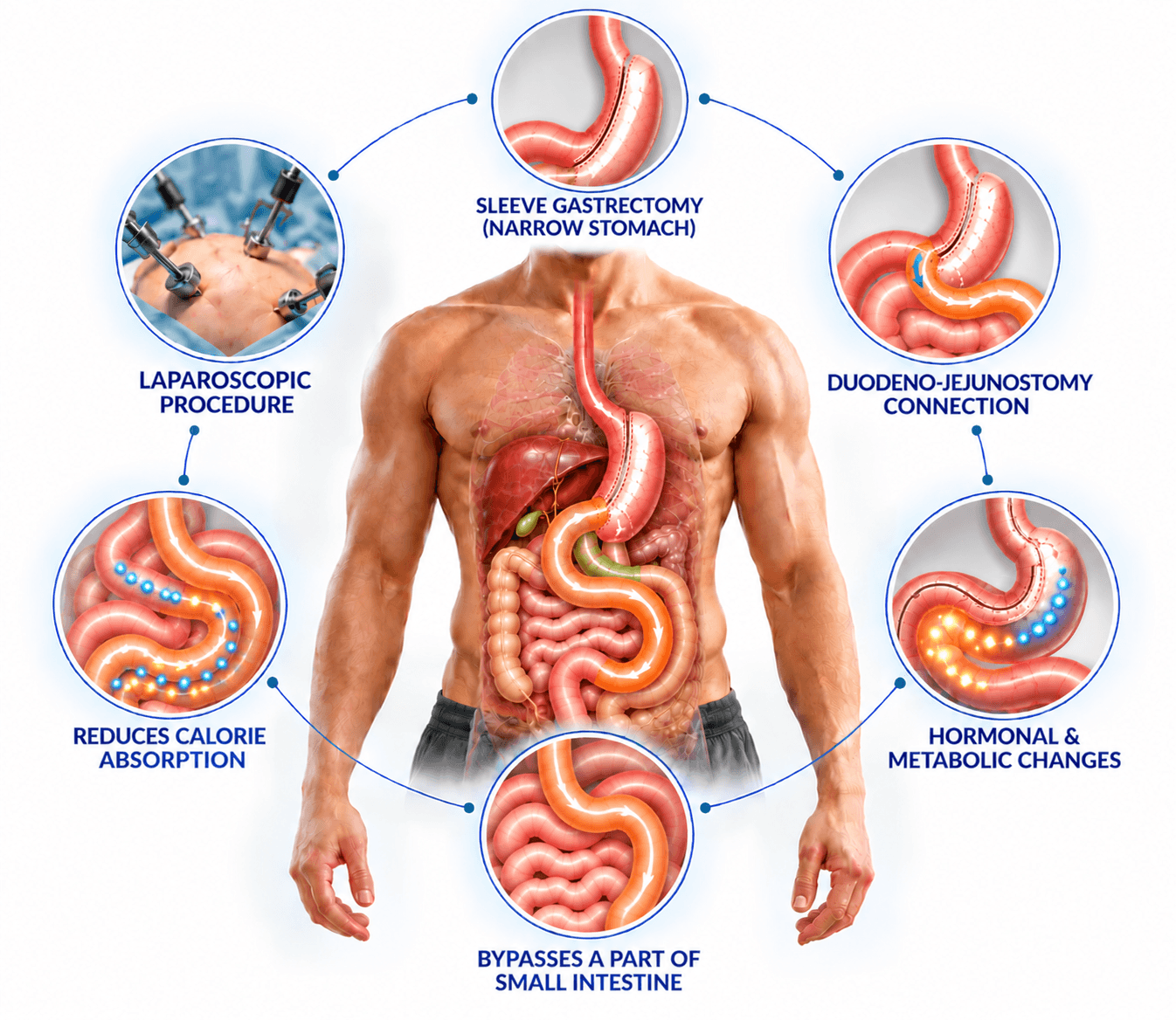
Laparoscopic sleeve gastrectomy with duodeno-jejunostomy is an advanced minimally invasive bariatric and metabolic surgery that combines sleeve gastrectomy with a loop duodeno-jejunal bypass.
During the procedure, a sleeve-shaped stomach is created, and the first part of the small intestine (duodenum) is connected to a loop of the jejunum. This allows food to bypass a section of the intestine while maintaining a more physiological digestive pathway.
The procedure combines restrictive and metabolic mechanisms to promote effective weight loss and improve obesity-related conditions, particularly type 2 diabetes.
Every treatment plan is carefully personalized following a detailed medical assessment, evaluation of obesity-related conditions, and discussion of the most appropriate bariatric procedure.
How Sleeve Gastrectomy with Duodeno-Jejunostomy Works
This procedure promotes weight loss through several complementary mechanisms:
A smaller stomach limits food intake. Patients feel full sooner after eating smaller meals.

Hunger hormone (ghrelin) production is significantly reduced, and GLP-1 levels increase.

Bypassing a portion of the small intestine produces favorable hormonal changes that improve metabolism and blood sugar regulation.

Mild malabsorption contributes to sustained long-term weight loss.

Together, these mechanisms support meaningful weight reduction while improving metabolic health.
Who Should Consider Sleeve Gastrectomy with Duodeno-Jejunostomy
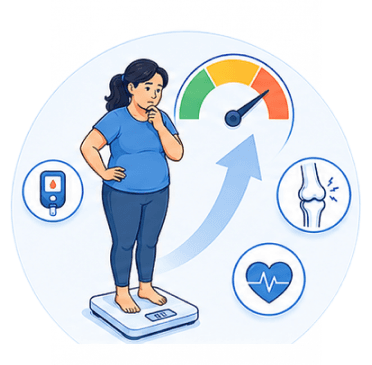
Have a BMI more than 35 kg/m² without any associated diseases or a BMI more than 30 kg/m² with associated diseases like diabetes, hypertension, OSA, etc.

Are living with obesity and have been unable to achieve sustainable weight loss through lifestyle changes

Have obesity-related conditions such as type 2 diabetes, hypertension, sleep apnea, or high cholesterol

Need a bariatric procedure with both weight loss and metabolic benefits
Have been advised that this procedure is appropriate based on your BMI and overall health
Are committed to long-term dietary changes, physical activity, and regular follow-up care
Benefits of Sleeve Gastrectomy with Duodeno-Jejunostomy Surgery
Significant and sustained weight loss
Effective improvement in type 2 diabetes and metabolic disorders
Reduced appetite and improved satiety
Minimally invasive laparoscopic surgery
Preserves access to the remaining stomach for future endoscopic evaluation
May result in fewer nutritional deficiencies compared with some other bypass procedures
Supports improvement in obesity-related conditions, including hypertension, sleep apnea, high cholesterol, PCOS, infertility, and joint problems

Choosing laparoscopic sleeve gastrectomy with duodeno-jejunostomy surgery in Mumbai provides an advanced, evidence-based solution for patients seeking long-term weight loss and metabolic improvement.
Possible Risks & Side Effects

Temporary pain, nausea, or vomiting during recovery

Rare bleeding, leakage, infection, or bowel obstruction

Vitamin, mineral, and protein deficiencies requiring lifelong supplementation

Loose stools or changes in bowel habits in some patients
*Careful patient selection, expert surgical care, and regular follow-up with nutritional monitoring help minimize risks and support safe, successful long-term outcomes.
Our Approach to Sleeve Gastrectomy with Duodeno-Jejunostomy Surgery

01
A detailed assessment of your BMI, medical history, metabolic health, eating habits, and obesity-related conditions to determine the most appropriate surgical approach.

02
Every treatment plan is customized according to your weight loss goals, diabetes status, nutritional needs, and long-term health objectives.
03
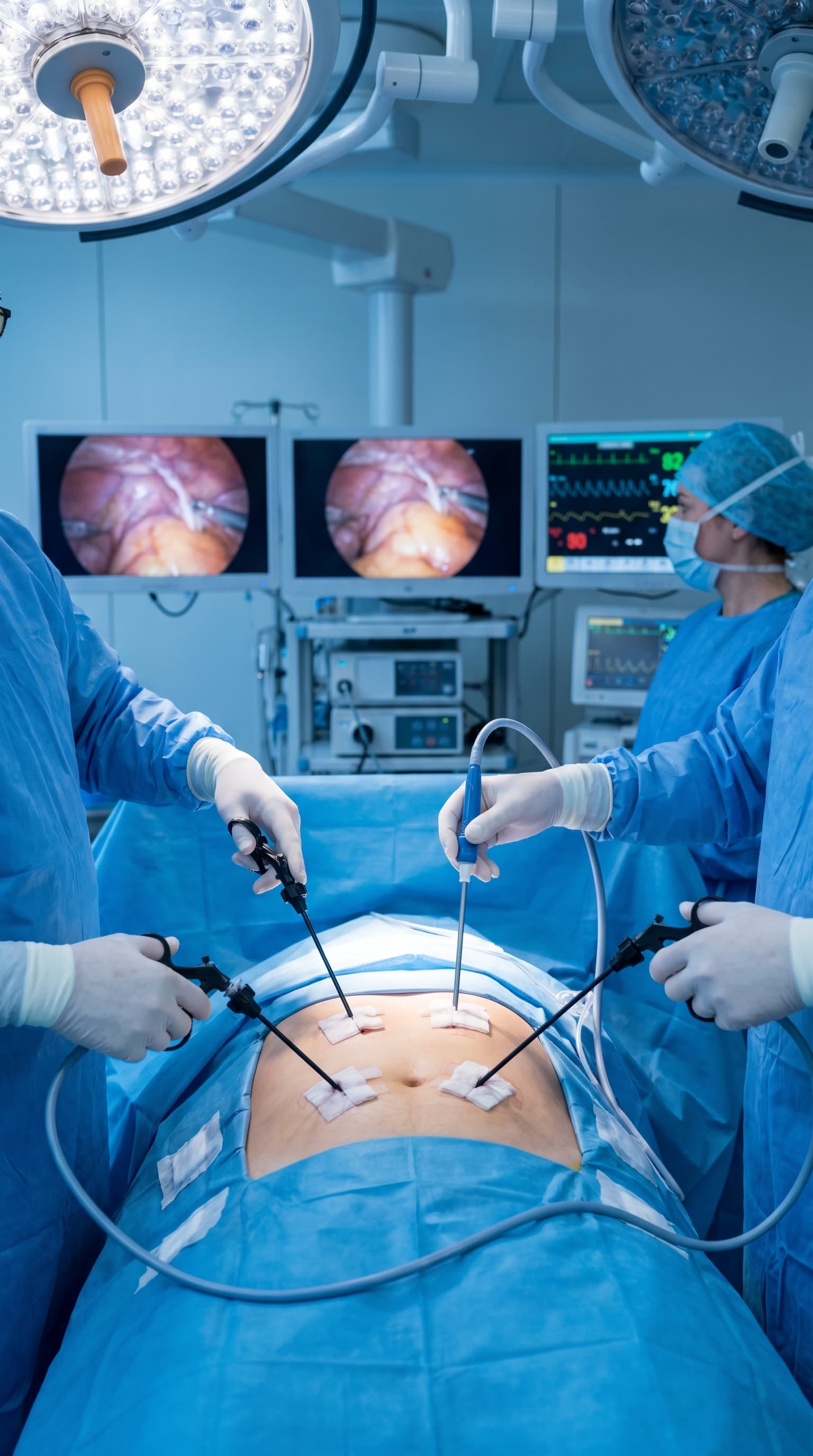
The procedure is performed using modern laparoscopic and robotic techniques that prioritize surgical precision, patient safety, and faster recovery.

04
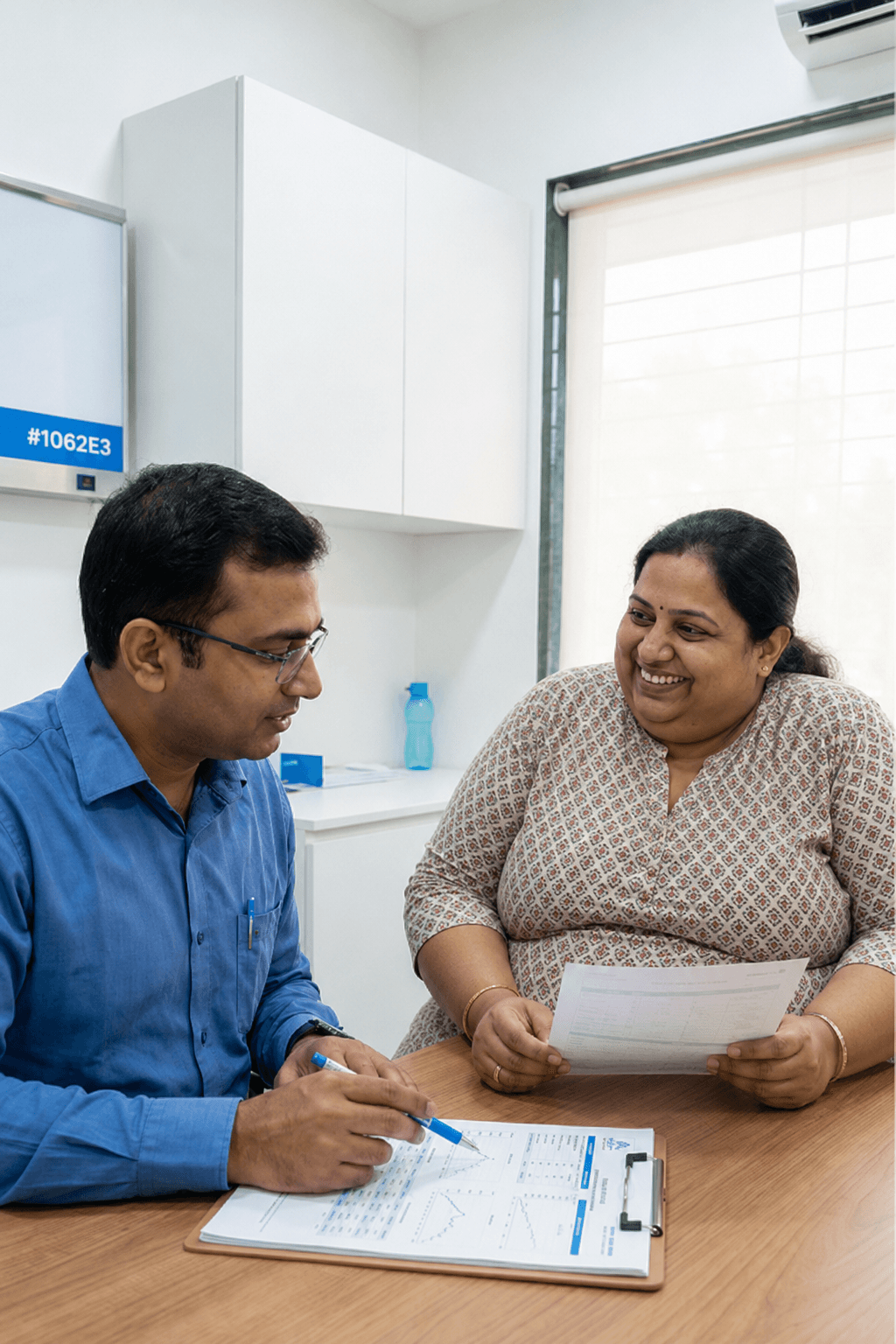
Structured nutritional counselling, dietary planning, vitamin supplementation guidance, and behavioural coaching help maximize long-term success.
05
Regular follow-up appointments, laboratory monitoring, nutritional assessments, and ongoing medical support help maintain lasting health outcomes.
Frequently Asked Questions
It is an advanced bariatric procedure that combines sleeve gastrectomy with a loop duodeno-jejunal bypass to promote significant weight loss while improving metabolic conditions such as type 2 diabetes.
Most patients achieve approximately 25 - 40% total body weight loss over 18 to 24 months, depending on adherence to follow-up care and recommended lifestyle changes.
Yes. The procedure is known to significantly improve type 2 diabetes, and many patients experience reduced medication requirements or diabetes remission following surgery. Individual outcomes depend on several medical factors.
Yes. Because the procedure has a malabsorptive component, lifelong vitamin and nutritional supplementation, along with regular monitoring, is essential to maintain good health.
No. It is recommended only after a comprehensive evaluation. Patients with significant gastroesophageal reflux disease (GERD) or hiatus hernia may benefit from an alternative bariatric procedure (Roux-en-Y gastric bypass), depending on their individual clinical condition.

Weight Loss Care Insights
Consult with an experienced specialist and take the first step toward better health, improved quality of life, and long-term wellness through advanced bariatric, laparoscopic, and robotic surgical care in Mumbai.




3K+ Satisfied Patients