


Restriction & Early Fullness
The procedure supports weight loss by restricting the amount of food the stomach can hold, promoting earlier fullness after smaller meals.
A minimally invasive bariatric procedure designed to support significant long-term weight loss while improving obesity-related metabolic conditions.
Understanding Laparoscopic Mini Gastric Bypass Surgery
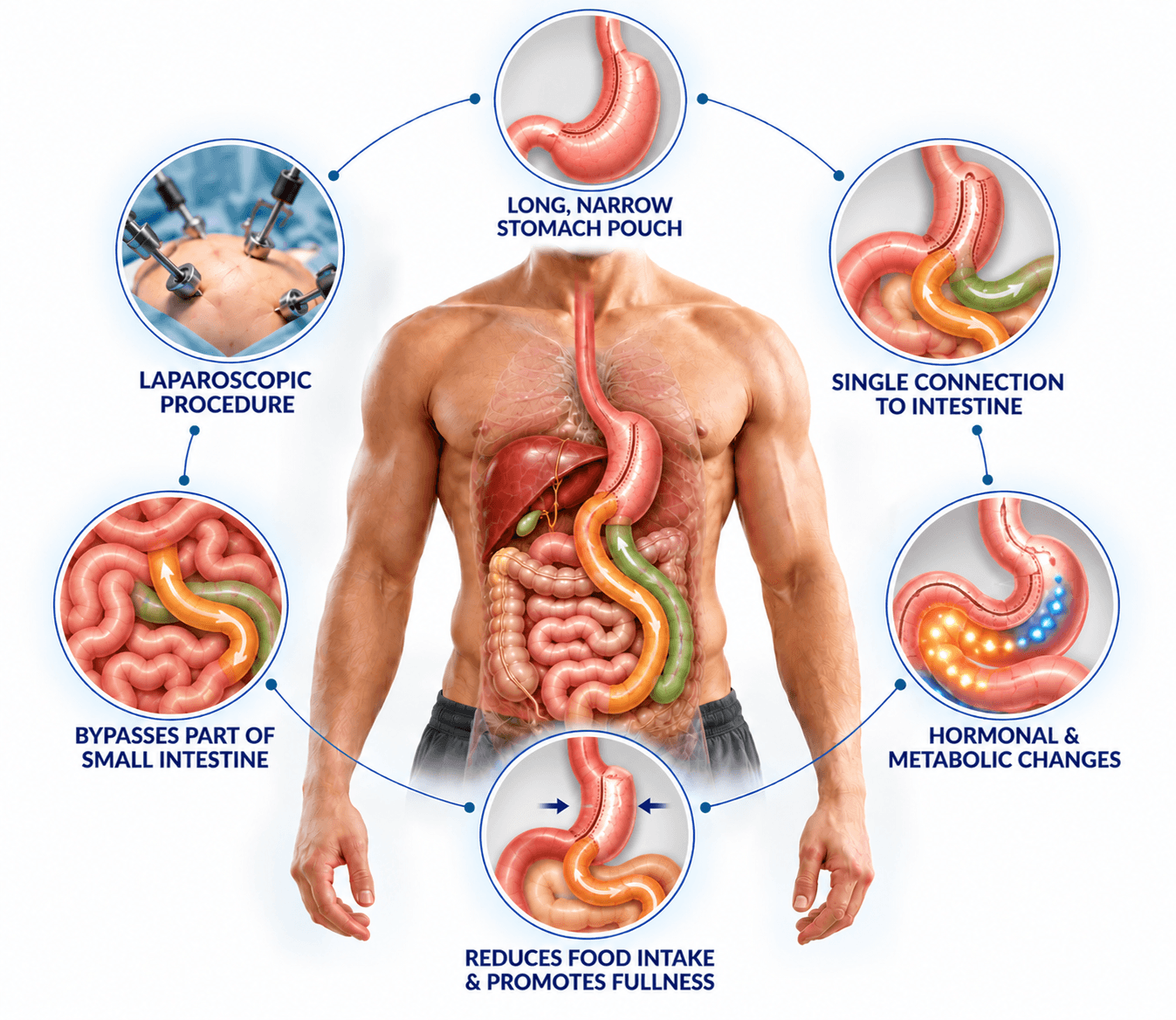
Laparoscopic Mini Gastric Bypass is a minimally invasive bariatric procedure in which a long, narrow stomach pouch is created and connected directly to a loop of the small intestine through a single surgical connection (anastomosis).
This allows food to bypass a portion of the stomach and upper small intestine, promoting weight loss through reduced food intake, hormonal changes, and controlled nutrient absorption.
Compared with conventional Roux-en-Y Gastric Bypass, Mini Gastric Bypass involves a simpler surgical reconstruction while delivering comparable weight loss and metabolic outcomes for many patients.
Every treatment plan is personalized following a comprehensive medical evaluation to determine whether Mini Gastric Bypass is the most suitable option for your health condition and long-term goals.
How Laparoscopic Mini Gastric Bypass Works
During surgery, a long, narrow stomach pouch is created and connected directly to the small intestine, allowing food to bypass a section of the digestive tract.
The procedure supports weight loss by restricting the amount of food the stomach can hold, promoting earlier fullness after smaller meals.

The procedure supports weight loss by reducing hunger through hormonal changes.

The procedure supports weight loss by decreasing calorie absorption through selective intestinal bypass.

The procedure supports weight loss by improving blood sugar regulation and overall metabolic health.

These combined mechanisms help patients achieve significant, sustained weight loss while improving obesity-related medical conditions.
Who Should Consider Mini Gastric Bypass Surgery
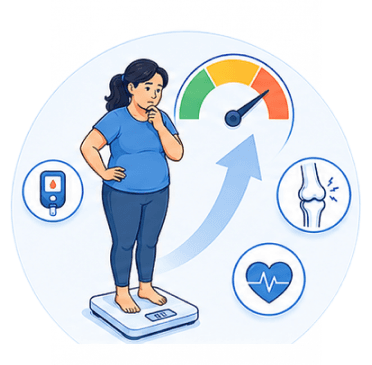
Have a BMI more than 35 kg/m² without any associated diseases or a BMI more than 30 kg/m² with associated diseases like diabetes, hypertension, OSA, etc.

Are living with obesity and have not achieved lasting weight loss through diet and exercise

Meet the recommended BMI criteria for bariatric surgery

Have obesity-related conditions such as type 2 diabetes, hypertension, sleep apnea, or high cholesterol
Are seeking a bariatric procedure with strong metabolic benefits
Are committed to lifelong dietary changes, nutritional supplementation, and follow-up care
Have been advised by your bariatric surgeon that Mini Gastric Bypass is the most appropriate treatment option
Benefits of Laparoscopic Mini Gastric Bypass Surgery
Significant and sustained weight loss
Proven improvement in type 2 diabetes and metabolic health
Reduced appetite through hormonal changes
Earlier fullness after smaller meals
Improvement in obesity-related conditions, including hypertension, sleep apnea, high cholesterol, PCOS, joint disorders, and fatty liver disease
Minimally invasive laparoscopic procedure
Shorter operative time compared with some conventional bypass procedures
Enhanced overall health and quality of life

Choosing laparoscopic Mini Gastric Bypass surgery in Mumbai provides an evidence-based approach to long-term weight management and metabolic disease control.
Possible Risks & Side Effects

Temporary pain, nausea, or vomiting during recovery

Rare bleeding, leakage, infection, or bowel obstruction

Vitamin, mineral and protein deficiencies requiring lifelong supplementation

Possible bile reflux in some patients
*Careful patient selection, expert surgical care, and regular follow-up with nutritional monitoring help minimize risks and support safe, successful long-term outcomes.
Our Approach to Mini Gastric Bypass Surgery

01
A detailed assessment of your BMI, medical history, obesity-related conditions, nutritional status, and overall health to determine whether Mini Gastric Bypass is the most appropriate treatment.

02
Every treatment plan is customized according to your weight loss goals, metabolic health, and long-term medical requirements.
03
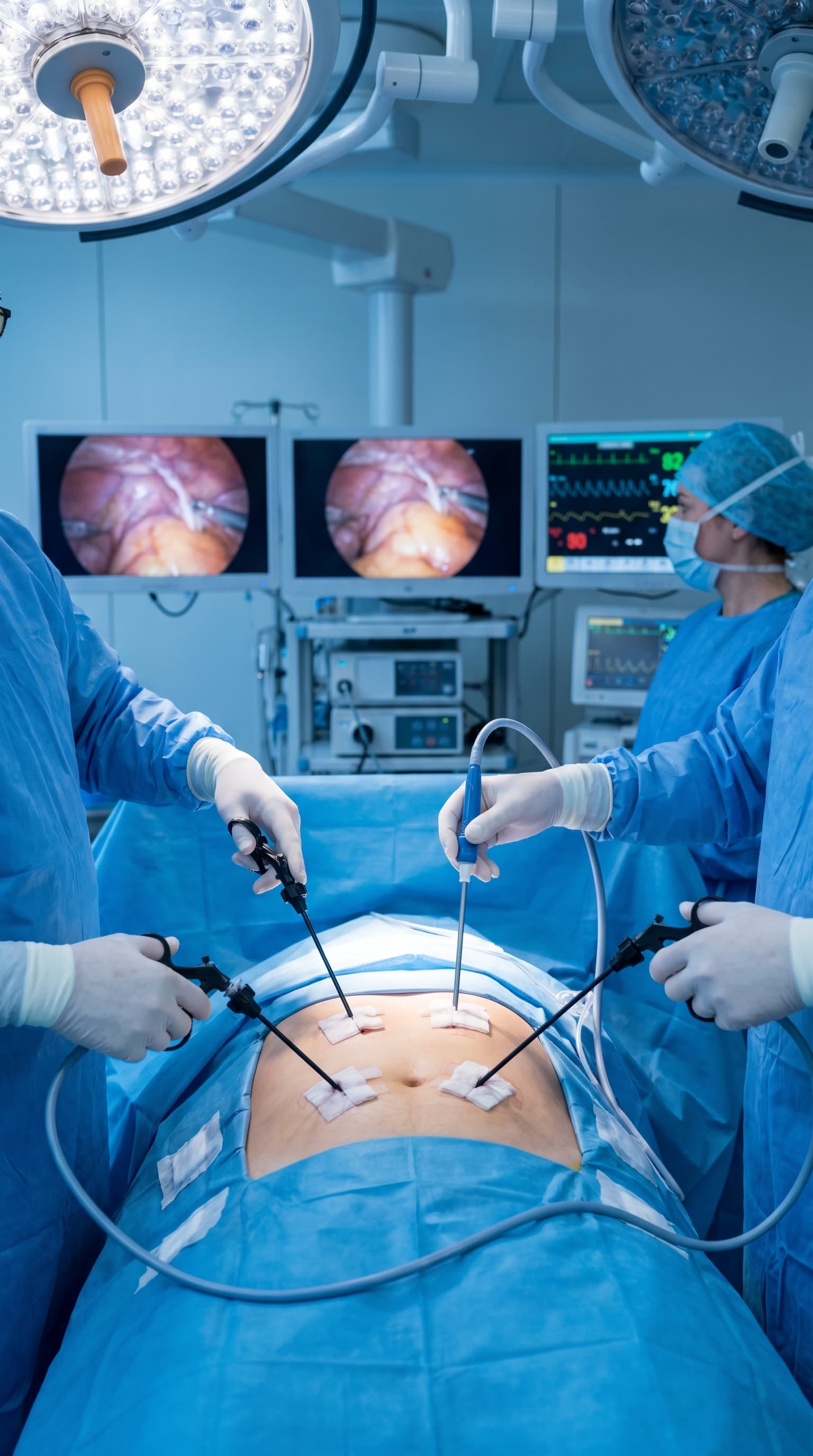
The procedure is performed using modern laparoscopic or robotic techniques focused on precision, patient safety, and faster recovery.

04
Comprehensive dietary counselling, behavioural support, protein supplementation guidance, and lifestyle education help patients adapt successfully after surgery.

05
Regular follow-up visits, nutritional monitoring, laboratory assessments, and ongoing support help maintain healthy weight loss while minimizing nutritional deficiencies.
Frequently Asked Questions
Mini Gastric Bypass, also known as One Anastomosis Gastric Bypass (OAGB), is a bariatric procedure that creates a long stomach pouch connected directly to the small intestine through a single surgical connection to promote weight loss and improve metabolic health.
Most patients achieve approximately 70–80% excess weight loss over 12–18 months, depending on their commitment to healthy eating, regular exercise, and long-term follow-up care.
Yes. Mini Gastric Bypass has been shown to significantly improve blood sugar control, and many patients experience reduced dependence on diabetes medications or remission of type 2 diabetes, depending on their clinical profile.
Yes. Because part of the intestine is bypassed, lifelong vitamin and mineral supplementation, along with adequate protein intake and regular nutritional monitoring, is essential after surgery.
Like all bariatric procedures, long-term follow-up is essential. Some patients may develop nutritional deficiencies or bile reflux over time, which is why regular medical reviews, blood investigations, and adherence to dietary recommendations are important.

Weight Loss Care Insights
Consult with an experienced specialist and take the first step toward better health, improved quality of life, and long-term wellness through advanced bariatric, laparoscopic, and robotic surgical care in Mumbai.




3K+ Satisfied Patients