


Reduced Stomach Size
The procedure reduces the size of the stomach, naturally limiting the amount of food that can be consumed during meals.
A minimally invasive bariatric procedure designed to support significant weight loss and improve obesity-related health conditions.
Understanding Gastric Sleeve Surgery
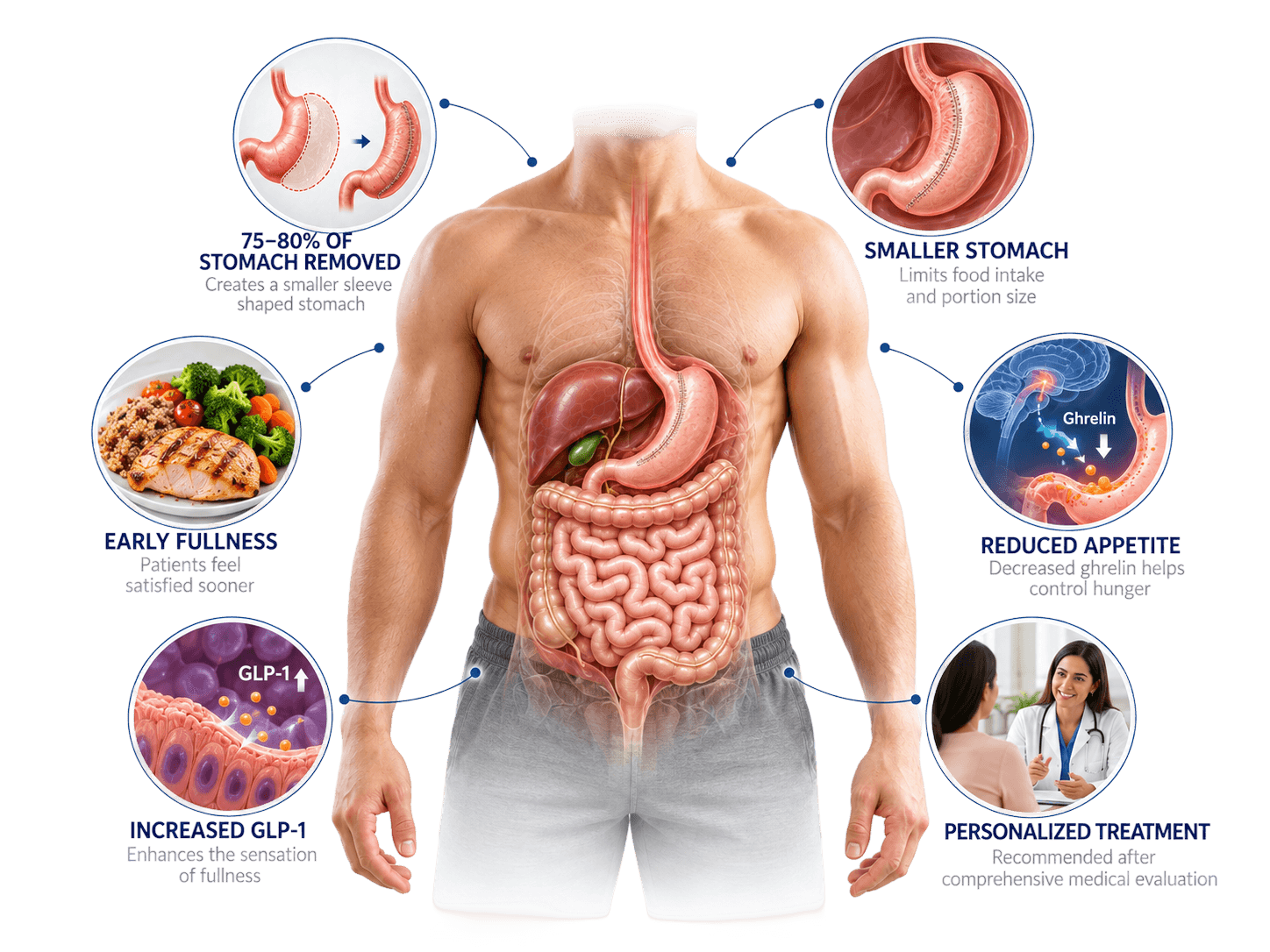
Laparoscopic sleeve gastrectomy is a minimally invasive bariatric procedure in which approximately 75–80% of the stomach is removed, creating a smaller, sleeve-shaped stomach.
Reduced stomach capacity limits food intake and decreases ghrelin production, a hormone involved in hunger regulation. These changes can help patients feel full sooner, eat smaller portions, and experience reduced appetite.
The procedure also influences gut hormones such as GLP-1, which may contribute to increased satiety and improved metabolic regulation.
Recognized as one of the most widely performed bariatric procedures worldwide, gastric sleeve surgery may be recommended for carefully selected individuals based on BMI, obesity-related medical conditions, previous weight-loss efforts, and overall health.
Every treatment plan is personalized following a comprehensive medical evaluation to determine the most appropriate weight-management solution.
How Gastric Sleeve Surgery Works
Gastric sleeve surgery promotes weight loss through a combination of physical and hormonal changes.
The procedure reduces the size of the stomach, naturally limiting the amount of food that can be consumed during meals.

Removal of the portion of the stomach that produces the hunger hormone ghrelin helps decrease appetite and reduce hunger.

The surgery also influences gut hormones involved in metabolism and blood sugar regulation, contributing to weight loss while improving obesity-related conditions such as type 2 diabetes.
Who Should Consider Gastric Sleeve Surgery
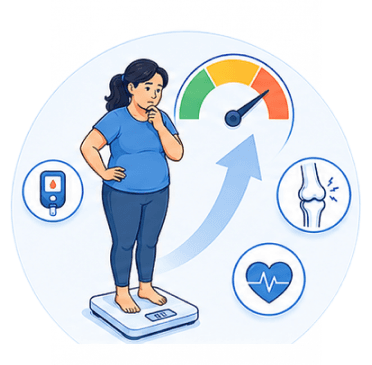
Have a BMI that meets current criteria for metabolic or bariatric surgery, taking into account obesity-related health conditions, ethnicity, previous weight-loss attempts, and overall health.

Are living with obesity and have been unable to achieve or maintain meaningful weight loss through diet, exercise, lifestyle modification, or other non-surgical approaches.

Have obesity-related medical conditions such as type 2 diabetes, hypertension, obstructive sleep apnea, high cholesterol, or other metabolic health concerns.

Are prepared to make long-term dietary, physical activity, and lifestyle changes following surgery.
Are looking for an effective surgical option as part of a comprehensive long-term weight-management plan.
Have undergone a specialist evaluation and been advised that sleeve gastrectomy is an appropriate treatment option for their individual health needs.
Benefits of Gastric Sleeve Surgery
One of the most widely performed bariatric procedures worldwide
Significant weight loss, with individual outcomes depending on starting weight, overall health, lifestyle changes, and long-term follow-up
Reduced hunger through changes in ghrelin hormone production
Improved satiety through changes in gut hormones such as GLP-1
Minimally invasive laparoscopic surgical approach
Smaller incisions and generally faster recovery compared with traditional open surgery
Potential improvement in obesity-related conditions including type 2 diabetes, hypertension, sleep apnea, PCOS, and joint-related symptoms
Potential improvement in mobility, daily functioning, and overall quality of life

Choosing gastric sleeve surgery in Mumbai provides access to a personalized, evidence-based approach focused on sustainable weight management and improved metabolic health.
Possible Risks & Side Effects

Temporary pain, nausea, or vomiting after surgery

Acid reflux or narrowing of the stomach, known as a stricture

Rare complications such as bleeding, staple-line leak, blood clots, or infection

Possible vitamin and mineral deficiencies requiring supplementation and long-term monitoring
*Careful surgical planning, appropriate postoperative care, nutritional support, and regular follow-up help reduce risks and support safe long-term outcomes.
Our Approach to Gastric Sleeve Surgery

01
A detailed assessment of your medical history, BMI, eating habits, metabolic health, previous weight-loss efforts, and obesity-related conditions helps determine the most appropriate treatment approach.

02
An individualized treatment plan is developed around your health profile, weight-management goals, lifestyle, and long-term wellness needs.
03
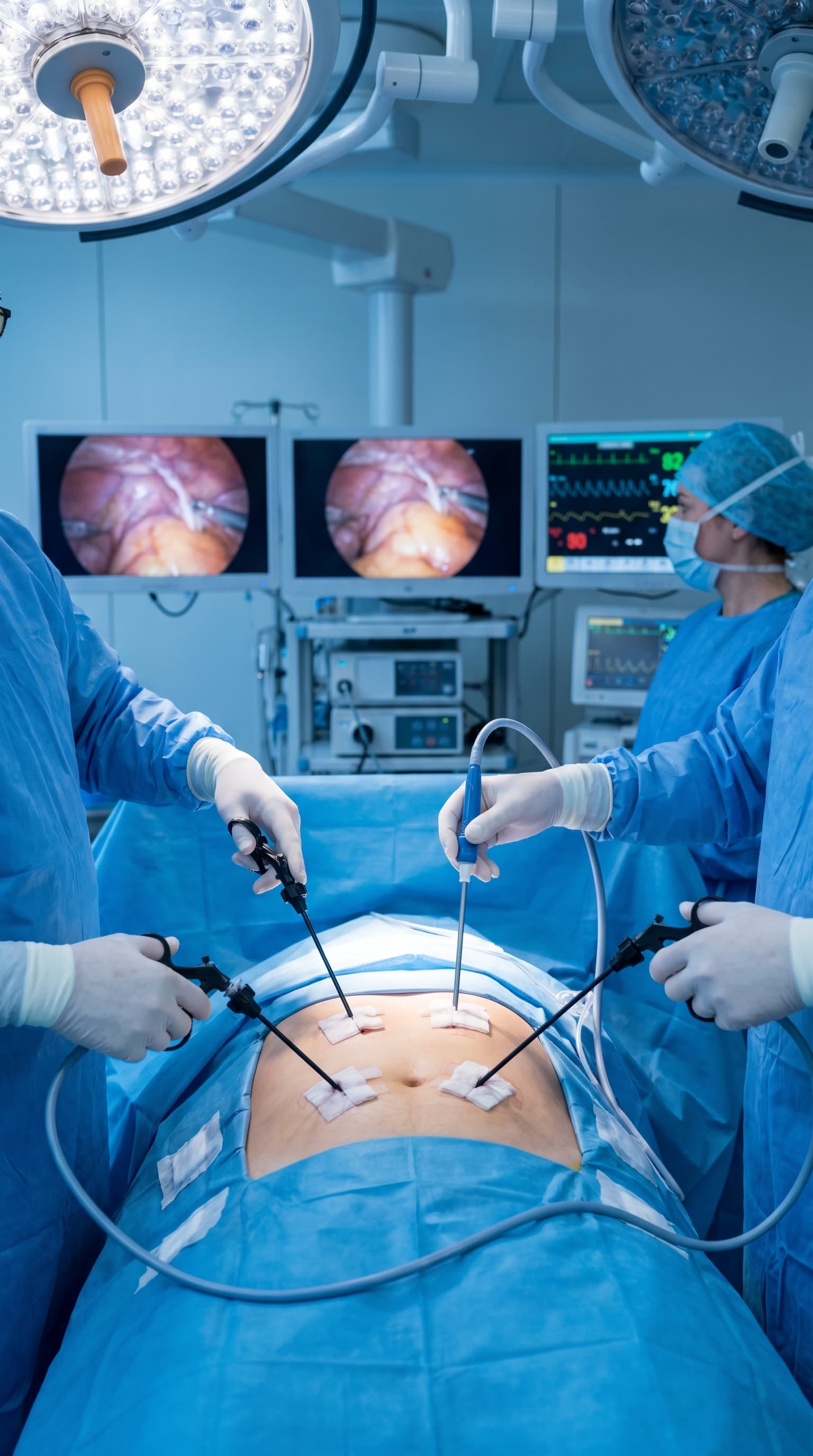
Gastric sleeve surgery is performed using modern minimally invasive techniques focused on surgical precision, patient safety, and recovery.

04
Structured dietary counselling, nutritional planning, physical activity guidance, and lifestyle support are provided before and after surgery to help optimize long-term outcomes.
05
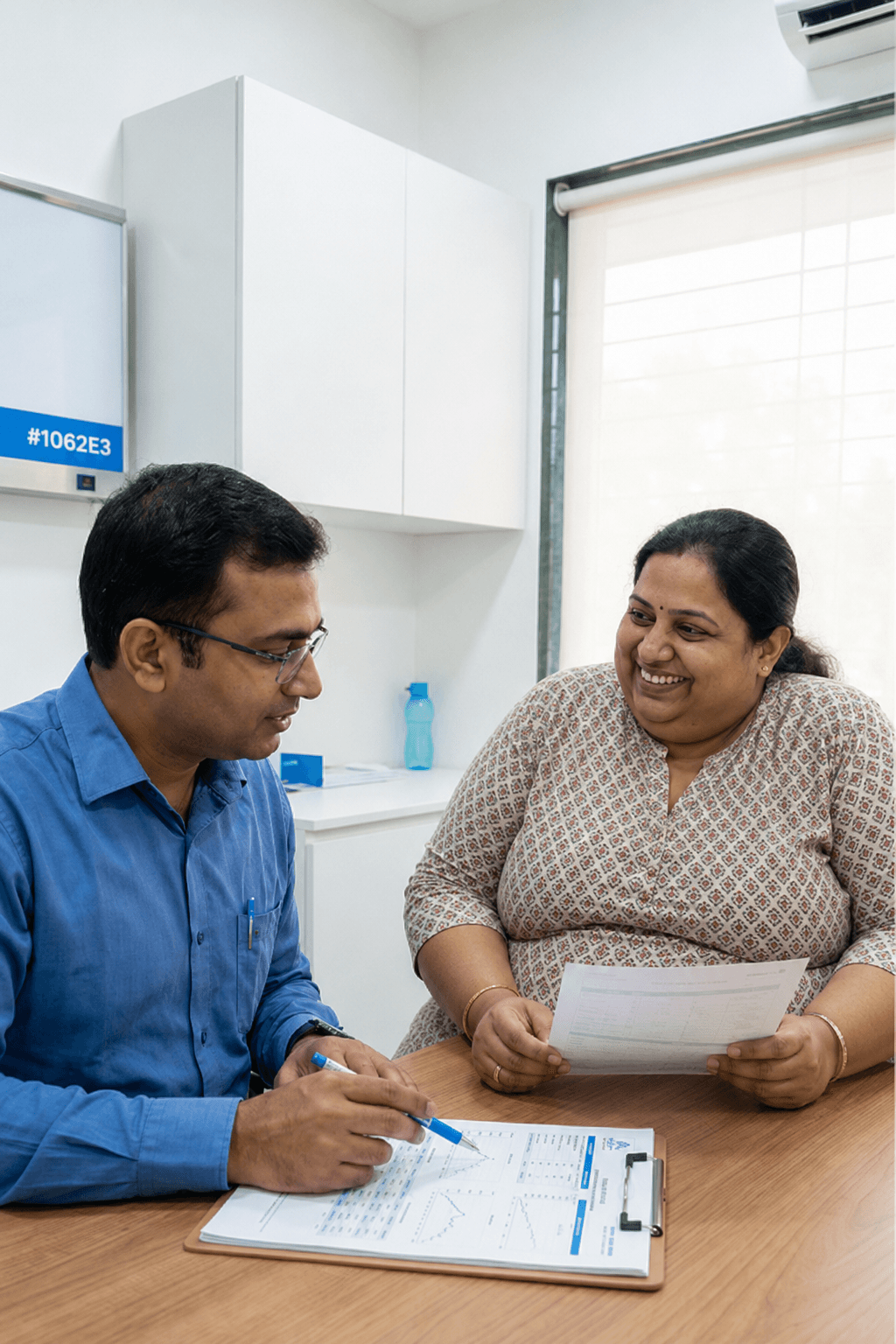
Regular follow-up consultations, nutritional assessments, health monitoring, and ongoing guidance support sustainable weight management and overall well-being.
Frequently Asked Questions
Weight loss varies from person to person and depends on factors such as starting weight, overall health, dietary habits, physical activity, and adherence to long-term follow-up. Your bariatric team can provide a more personalized estimate after evaluating your individual health profile.
Yes. Gastric sleeve surgery can significantly improve blood sugar control in many people with obesity and type 2 diabetes. Some patients may require fewer diabetes medications, while others may achieve remission. Individual outcomes vary and require ongoing medical monitoring.
Before surgery, you will undergo a comprehensive medical evaluation, diagnostic investigations, nutritional assessment, and specialist consultations when required. You may also be advised to follow a specific pre-operative diet to help improve surgical safety.
Long-term follow-up is strongly recommended after gastric sleeve surgery. Regular appointments help monitor weight, nutritional health, vitamin and mineral levels, metabolic conditions, and overall progress.
Yes. Your diet typically progresses gradually from liquids to pureed and soft foods before returning to appropriate regular foods in smaller portions. Your nutrition team will provide individualized dietary guidance throughout recovery and long-term weight management.

Weight-Loss Care Insights
Consult with an experienced specialist and take the first step toward better health, improved quality of life, and long-term wellness through advanced bariatric, laparoscopic, and robotic surgical care in Mumbai.




3K+ Satisfied Patients